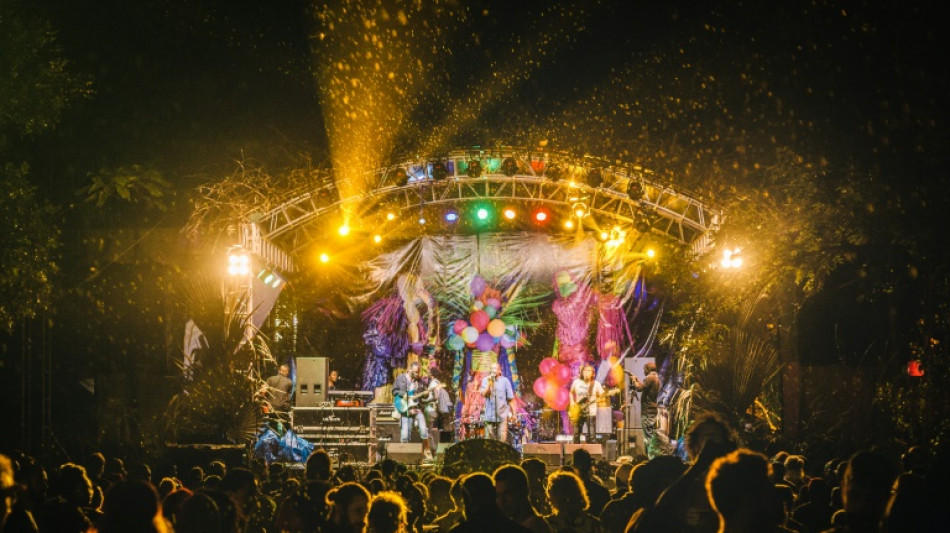
Uganda bans 'immoral' festival linked to sex, drugs, LGBT / Photo: © AFP/File

Uganda's parliament on Tuesday slapped a ban on a popular music festival, the second time that authorities have taken steps against the annual event over accusations that it promotes sex, drugs and homosexuality.
The four-day Nyege Nyege festival on the banks of the Nile in the southern town of Jinja brings together artists from across Africa to entertain around 10,000 revellers and is usually held in September.
But nine days days before the event was due to resume -- following a pandemic-induced shutdown since 2020 -- parliament said on Twitter that it had "stopped the 'Nyege Nyege' festival, an annual social event scheduled to take place next week".
Uganda's ethics and integrity minister Rose Lilly Akello told reporters that the festival "promotes a lot of immorality and this immorality is something which is not wanted in our country."
Uganda's state minister for tourism, Martin Mugarura, told AFP that the ban would have a destructive impact on the economy, as the travel industry limps back to life after the Covid-19 pandemic.
"Over 8,000 foreign tourists have already booked tickets and were to stay in the country during the duration of the festival and even beyond," he said.
"We hope there is a reversal of this decision," he added.
The festival was banned in 2018 by former ethics minister Simon Lokodo, a fervent Christian and outspoken homophobe, who described it as an orgy of homosexuality, nudity and drugs akin to "devil worship".
But he was forced to lift the ban barely a day later, following outrage on social media.
Lokodo, who died in January, said at the time that the event encouraged "the celebration and recruitment of young people into homosexuality".
"The very name of the festival is provocative. It means 'sex, sex' or urge for sex," he said.
Nyege Nyege means an irresistible urge to dance in the local Luganda language, but it can have a sexual connotation in other languages in the region.
Uganda is notorious for its intolerance of homosexuality -- which is criminalised in the country -- and strict Christian views on sexuality in general.
In 2013 Ugandan lawmakers passed a bill that called for life in prison for people caught having gay sex, although a court later struck down the law.
Last month the government suspended the country's leading gay rights organisation, Sexual Minorities Uganda (SMUG), accusing it of operating illegally in the East African nation.
(P.Hansen--DTZ)