Deutsche Tageszeitung - Heat forces French champagne makers to stiffen their drink

Heat forces French champagne makers to stiffen their drink


Heat forces French champagne makers to stiffen their drink
Heat forces French champagne makers to stiffen their drink / Photo: © AFP/File

Drinking this year's champagne might give you a heftier headache as France's record heatwaves are forcing some producers to up the alcohol levels, industry officials said Wednesday.

Change text size:

French authorities have allowed champagne houses to make their bubbly with alcohol content of up to 15 percent, a historic first for a wine usually limited to 13 percent.

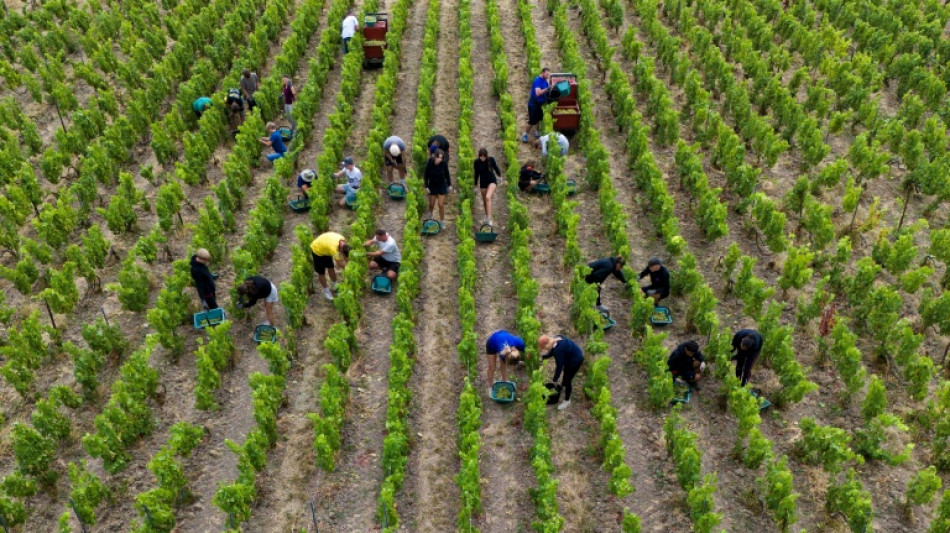
Growers had to harvest exceptionally early this year as extreme heat sped sugar buildup -- and hence natural alcohol production -- in the grapes, according to the Comite Champagne industry association.

Nonetheless, "the crop already has all the hallmarks of producing great, perhaps even exceptional, wines", the group said in a statement.

Authorities have also allowed a temporary easing of strict rules for making several types of cheese after heatwaves scorched grazing pastures.

France is the world's second-largest wine producer after Italy, and this summer's heat and drought have deepened fears for many growers about how they will cope with climate change.

The 2026 harvest was the earliest ever recorded in the champagne region, with the first grapes cut as early as August 6 and the harvest becoming widespread on August 17, two weeks earlier than in 2025, when it was already considered to be early, according to the association.

Due to climate change, "this unusual harvest will probably become the norm in 10 to 15 years," said Maxime Toubart, the co-chairman of the Comite Champagne.

It "should prompt reflection on the champagne of tomorrow", he said.

Fellow co-chair David Chatillon said the relaxed alcohol content would concern just a small number of growers.

"The average after the harvest is below 12 percent," Chatillon said. "Not all winegrowers in Champagne will be above that level."

(V.Sørensen--DTZ)

Featured

US Buildings Threatened by Wildfires Could Triple by 2060

A new study published in Nature Communications projects that the number of buildings across the contiguous United States threatened by wildfires could almost triple by 2060. Researchers attribute this escalating risk to a combination of climate change, forest mismanagement, and continued development in fire-prone areas, warning that socioeconomically vulnerable communities face disproportionate dangers.

Researchers Warn 'Bookkeeping Trick' Masks Beef Industry's Methane Emissions

Two new analyses warn that a specialized accounting method known as GWP* enables major beef-producing countries to significantly understate their methane emissions. Researchers from Greenpeace and the University of California, Los Angeles, argue that this metric creates a misleading picture of climate progress, allowing nations to claim neutrality while actual warming continues.

Climate Change Intensified Atlantic Hurricanes, Study Finds

Human-caused climate change significantly intensified Atlantic hurricanes over the past five years, according to a new analysis by Climate Central. The study found that elevated sea surface temperatures increased maximum wind speeds for most storms between 2019 and 2023, as well as every recorded storm in the 2024 season.

UAE oil spill raises questions for desalination operations

An oil spill off the United Arab Emirates that has prompted temporary restrictions on fishing and on access to several beaches has raised concerns over the risk of environmental contamination and the potential impact on desalination plants. The spill is from a vessel that shipping sources have identified as crude oil tanker Gem No.

Change text size: