Deutsche Tageszeitung - Himalayan glacier study warns of flood and water-supply risks

Himalayan glacier study warns of flood and water-supply risks


Himalayan glacier study warns of flood and water-supply risks

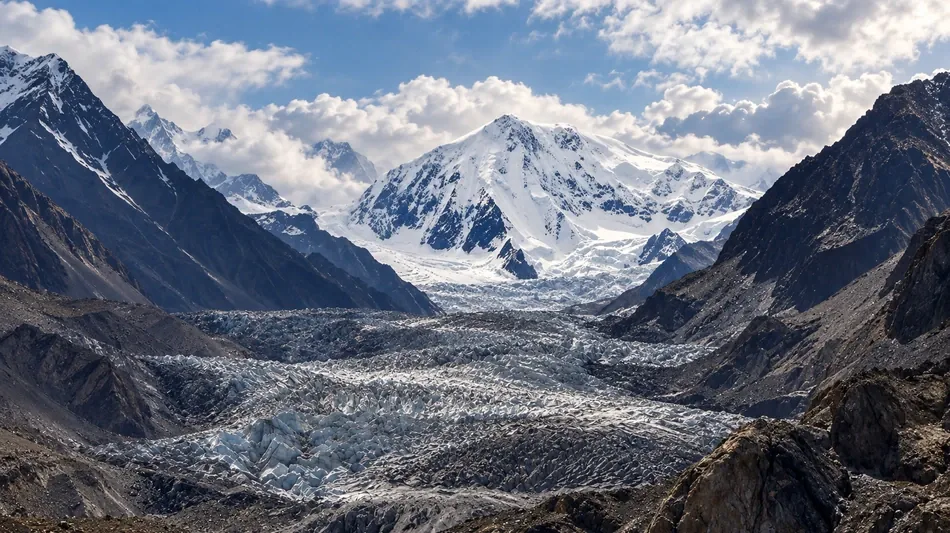
Accelerating glacier loss in the Himalayas is increasing flood dangers and could eventually reduce river water supplies, according to a study released in September.

Change text size:

Accelerating glacier loss in the Himalayas is increasing flood dangers and could eventually reduce river water supplies, according to a study released in September.

The report said the region was approaching a tipping point and could reach peak water by the middle of the century. That is the stage at which glacier-fed river flows stop increasing and begin to decline as ice reserves shrink.

The findings followed a late-August glacier collapse near the Nepal-Tibet border that triggered successive landslides and flash floods. At least 1,300 people were confirmed dead and more than 5,300 remained missing in Nepal and China’s Tibet region, according to the source report.

Retreating glaciers leave lakes restrained by unstable deposits of rock and ice above populated valleys. The study identified nearly 200 high-risk glacial lakes in India, including 56 in the very-high-risk category, exposing millions of downstream residents.

Only 21 of an estimated 40,000 glaciers in the Hindu Kush-Himalaya region were being monitored on the ground. The mountain system spans eight countries, from Afghanistan to Myanmar, and its rate of ice loss has accelerated in recent decades.

Systemiq produced the research with the Integrated Mountain Initiative, the International Centre for Integrated Mountain Development and India’s GB Pant National Institute of Himalayan Environment.

The report said the Himalayas support more than 20% of India’s GDP and underpin water security for hundreds of millions of people. Although the Himalayan region covers about 18% of India’s land, it accounts for roughly 35% of the country’s natural disasters.

(S.A.Dudajev--DTZ)

Featured

US Buildings Threatened by Wildfires Could Triple by 2060

A new study published in Nature Communications projects that the number of buildings across the contiguous United States threatened by wildfires could almost triple by 2060. Researchers attribute this escalating risk to a combination of climate change, forest mismanagement, and continued development in fire-prone areas, warning that socioeconomically vulnerable communities face disproportionate dangers.

Researchers Warn 'Bookkeeping Trick' Masks Beef Industry's Methane Emissions

Two new analyses warn that a specialized accounting method known as GWP* enables major beef-producing countries to significantly understate their methane emissions. Researchers from Greenpeace and the University of California, Los Angeles, argue that this metric creates a misleading picture of climate progress, allowing nations to claim neutrality while actual warming continues.

Climate Change Intensified Atlantic Hurricanes, Study Finds

Human-caused climate change significantly intensified Atlantic hurricanes over the past five years, according to a new analysis by Climate Central. The study found that elevated sea surface temperatures increased maximum wind speeds for most storms between 2019 and 2023, as well as every recorded storm in the 2024 season.

UAE oil spill raises questions for desalination operations

An oil spill off the United Arab Emirates that has prompted temporary restrictions on fishing and on access to several beaches has raised concerns over the risk of environmental contamination and the potential impact on desalination plants. The spill is from a vessel that shipping sources have identified as crude oil tanker Gem No.

Change text size: