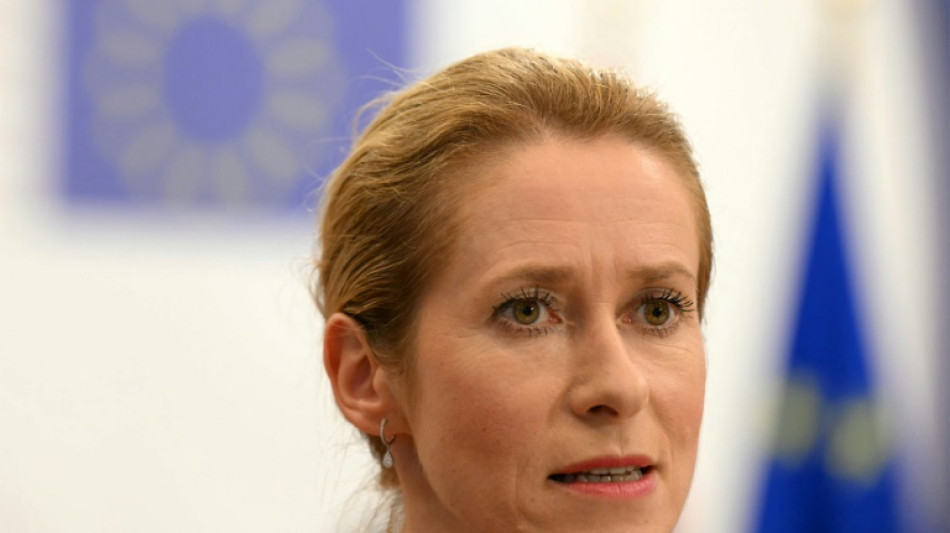
EU, UK target Russian oil in tough new Ukraine war sanctions / Photo: © AFP

The European Union and Britain on Friday sought to ramp up economic pressure on Russia to halt the war in Ukraine by slashing a price cap meant to choke off revenues from key oil exports.
The move from the EU was part of a sweeping new package of sanctions -- the bloc's 18th since the start of Russia's 2022 invasion -- that also took aim at Moscow's banking sector and military capabilities.
The measures come as allies closely watch whether US President Donald Trump follows through on his threat to punish Moscow over Russian President Vladimir Putin's failure to move forward on a truce.
"The message is clear: Europe will not back down in its support for Ukraine. The EU will keep raising the pressure until Russia ends its war," said EU foreign policy chief Kaja Kallas.
British foreign minister David Lammy announced the UK was joining the EU price cap sanction, saying they were "striking at the heart of the Russian energy sector".
"As Putin continues to stall on serious peace talks, we will not stand by," he said.
Ukrainian President Volodymyr Zelensky hailed the EU's new sanctions as "essential and timely".
The bloc's new measures were approved after Slovakia dropped a weeks-long block following talks with Brussels over separate plans to phase out Russian gas imports.
Kremlin-friendly Slovakian leader Robert Fico -- whose country remains dependent on Russian energy -- dropped his opposition after getting what he called "guarantees" from Brussels over future gas prices.
France's Foreign Minister Jean-Noel Barrot called the latest EU moves "unprecedented" and said that "together with the United States we will force Vladimir Putin into a ceasefire".
But the Kremlin said it would seek to "minimise" the impact, and warned the measures would backfire.
The price cap is originally a G7 initiative aimed at limiting the amount of money Russia makes by exporting oil to countries such as China and India.
The EU and Britain said they would lower the cap on Russian oil exported to third countries around the world to 15 percent below market value.
That comes despite Washington's allies failing to convince Trump to go along with the plan.
Set at $60 a barrel by the G7 in 2022, the measure bans shipping firms and insurance companies dealing with Russia from exporting oil above the cap amount.
Under the new plan -- which Brussels hopes other G7 allies like Canada and Japan will join -- the initial level will start at $47.60 and can be adjusted as oil prices change in the future.
The EU already largely cut off imports of Russian oil.
EU officials admit the scheme will not be as effective without US involvement.
- Tankers, refinery, banks -
In addition to the oil price cap, officials said the EU was blacklisting over 100 more vessels in the "shadow fleet" of ageing tankers that security analysts say Russia uses to circumvent oil export curbs.
It was also imposing measures to stop the defunct Baltic Sea gas pipelines Nord Stream 1 and 2 from being brought back online in the future.
Among other targets, sanctions will be placed on a Russian-owned oil refinery in India and two Chinese banks, as the EU seeks to curb Moscow's ties with international partners.
The bloc is expanding a transaction ban on dealings with Russian banks and placing more restrictions on the export of "dual-use" goods that Russia's forces could use on the battlefield in Ukraine.
The latest round of measures comes after Trump on Monday threatened to hit buyers of Russian energy with massive "secondary tariffs" if Moscow doesn't halt the fighting in 50 days.
The move from Trump represented a dramatic pivot from his previous effort of rapprochement with the Kremlin, as he said his patience was running out with Putin.
The multiple rounds of international sanctions imposed on Moscow in the three-and-a-half years since its invasion have failed so far to cripple the Russian economy or slow its war effort.
But Western officials argue that despite Russia's economy largely weathering the punishment so far, key economic indicators such as interest rates and inflation are getting worse.
(S.A.Dudajev--DTZ)