Deutsche Tageszeitung - South Australia bans plastic fish-shaped soy sauce containers

South Australia bans plastic fish-shaped soy sauce containers


South Australia bans plastic fish-shaped soy sauce containers
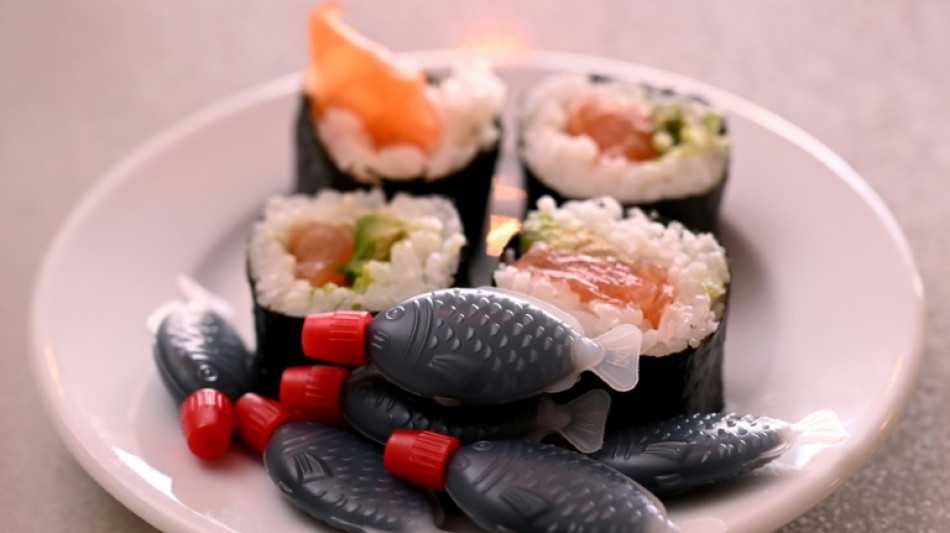
South Australia bans plastic fish-shaped soy sauce containers / Photo: © AFP

An Australian state has banned plastic fish-shaped soy sauce containers, reeling in a sushi lovers' favourite that is washing up in drains and beaches.

Change text size:

South Australia is the first state in the country to cast a net over the pervasive piscine plastic, known as shoyu-tai.

Invented in Japan in the 1950s, they have become a popular way for diners to season their takeaway sushi.

But the fishy delights are too small to be captured by sorting machinery and often end up in landfills or as fugitive plastic, South Australia's Environment Minister Susan Close said.

"Single-use plastics are often used for seconds but they last a lifetime in our natural environment," she said.

"The small size of the fish-shaped soy containers means they're easily dropped, blown away, or washed into drains, making them a frequent component of beach and street litter."

South Australia is the first state in the country to ban the plastic soy fish, joining single-use cutlery, bags, coffee cups and takeaway containers on the list of prohibited items.

Manufacturer Asahi Sogyo makes a variety of other novelty soy-sauce containers -- originally known as lucky charms -- including small pigs and tiny bottles, according to the company's website.

The factory produces around a million "lucky charms" each day.

The South Australian government said restaurants will need to use alternative soy sauce carriers like sachets, squeezable packs, refillable or compostable containers.

Japanese restaurant owner Abby Zhang said the ban was a "positive step forward".

"We made a significant change a while back by switching from soy sauce fish containers to more sustainable alternatives, such as compostable sauce containers," Zhang said in a statement, adding customers were "incredibly supportive".

More than 400 million tonnes of plastic are produced globally each year, half of which is for single-use items.

While 15 percent of plastic waste is collected for recycling, only nine percent is actually recycled.

(T.W.Lukyanenko--DTZ)

Featured

South Korea Launches Probe into NewJeans Contract Controversy

South Korea’s Ministry of Culture, Sports and Tourism has initiated a formal investigation into the treatment of underage K-pop artists. The move follows widespread criticism after the exclusive contract between the group NewJeans and its label, Ador, was revealed to contain clauses that allegedly violated minors' rights.

Critics Demand Stronger Action from Jeffries and Schumer Following Democratic Wave

Following the recent elections that granted Democrats control of both chambers of Congress, former Florida Democratic Senate candidate Angie Nixon has issued a sharp critique of House Minority Leader Hakeem Jeffries and Senate Minority Leader Chuck Schumer. In an opinion piece, Nixon argues that the leaders' cautious post-victory statements reflect a lack of political courage, calling for immediate and aggressive legislative measures to counter the policies of President Donald Trump and MAGA Republicans.

UK Defence Secretary Warns Russia Nukes Not for Negotiation as HMS Vengeance Returns

Defence Secretary Wes Streeting has declared that Britain’s nuclear weapons are not subject to negotiation, rejecting recent Russian proposals regarding European security. His statement follows the return of HMS Vengeance, which completed a historic 217-day submerged patrol, marking the longest continuous deployment by a British submarine.

Trump Reduces Public Appearances Amid CIA-Mossad Warnings of Iranian Drone Plot

President Donald Trump has significantly reduced his public appearances following warnings from Israeli intelligence that Iran plotted to assassinate him using explosive drones. The security concerns have prompted the relocation of several senior cabinet officials from Washington, D.C., while diplomatic tensions with Tehran remain high despite ongoing economic pressure campaigns.

Change text size: