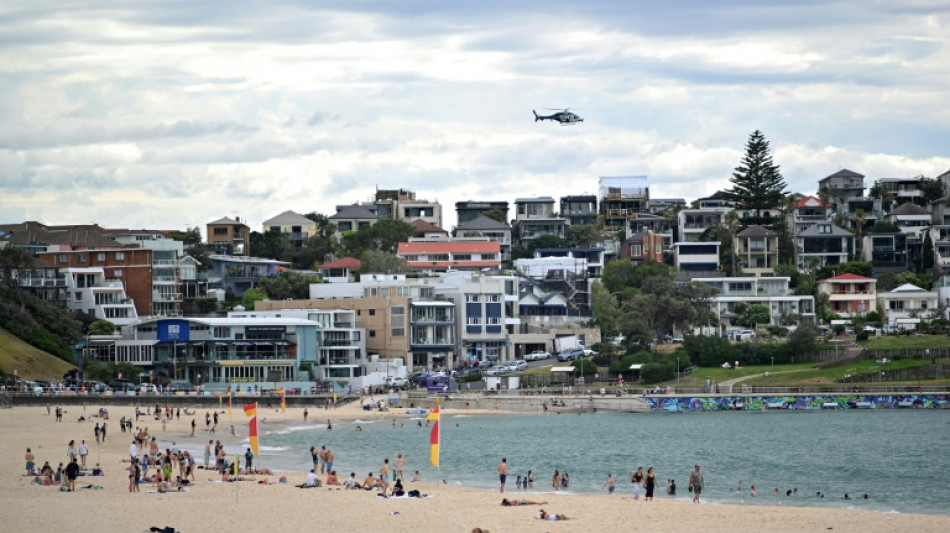
Australian lawmakers back stricter gun, hate crime laws / Photo: © AFP/File

Australian politicians voted in favour of tougher hate crime and gun laws Tuesday, weeks after gunmen targeting Jewish people on Bondi Beach killed 15 people.
Lawmakers in the House of Representatives backed the legislation in response to the December 14 shooting at the famous Sydney beach.
Sajid Akram and his son Naveed allegedly targeted a Jewish Hanukkah celebration in the nation's worst mass shooting for 30 years.
The attack has sparked national soul-searching about antisemitism, anger over the failure to shield Jewish Australians from harm, and promises to protect the country with stiffer legislation.
The hate crime and gun control legislation must still be approved by the upper house Senate, which was expected to vote later in the day.
"The terrorists had hate in their hearts, but they also had high-powered rifles in their hands," Prime Minister Anthony Albanese told parliament.
"We're taking action on both -- tackling antisemitism, tackling hate, and getting dangerous guns off our streets."
Legislative reforms on guns and hate speech were voted on separately.
The hate speech legislation would toughen laws and penalties for people seeking to spread hate and radicalisation, or to promote violence.
It creates aggravated offences for offenders who are preachers, other leaders, or adults seeking to radicalise children.
The reform would also make it easier to reject or cancel visas for people suspected of terrorism or espousing hatred on the basis of race, colour, or origin.
On firearms, Australia would set up a national gun buyback scheme, tighten rules on imports of firearms and expand background checking for gun permits to allow input from intelligence services.
The legislation was debated in a special session of parliament, ahead of a national day of mourning on Thursday for the Bondi Beach victims.
Gunman Sajid Akram, 50, was shot and killed by police during the Bondi Beach attack. An Indian national, he entered Australia on a visa in 1998.
His 24-year-old son Naveed, an Australian-born citizen who remains in prison, has been charged with terrorism and 15 murders.
Police and intelligence agencies are facing difficult questions about whether they could have acted earlier.
Naveed Akram was flagged by Australia's intelligence agency in 2019, but he slipped off the radar after it was decided that he posed no imminent threat.
(V.Korablyov--DTZ)