Trump Signals Willingness to Work With Democrats After Midterm Defeat

After Republicans lost control of both chambers of Congress, President Donald Trump said he was prepared to work with Democrats while emphasizing that he retains presidential veto power.
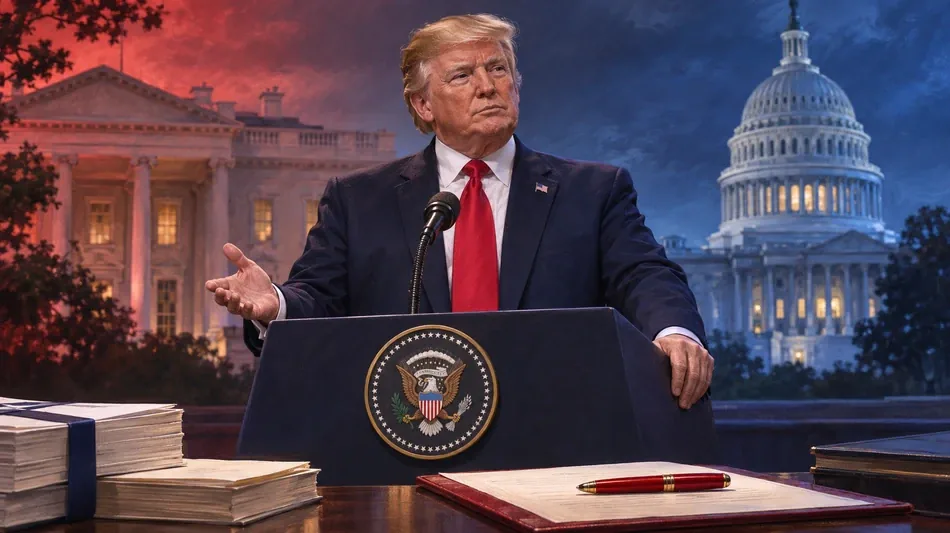
US President Donald Trump has signaled that he is willing to work with Democrats after Republicans lost control of Congress in the midterm elections. Speaking with Politico journalist Dasha Burns during election night, Trump said he did not want to spend the final two years of his term simply vetoing every measure passed by the opposing party.
Democrats won control of both the House of Representatives and the Senate, according to projected and declared results. The outcome removes the Republican majorities that supported Trump during the first half of his second term and creates a divided government for the remainder of his presidency.
Trump accepted the overall result and congratulated Democrats on their performance. He said he wanted to cooperate with them to ensure that the country continued to function effectively. The president also said he had spoken with Democratic leaders as the scale of the Republican losses became clear.
At the same time, Trump attempted to separate his personal political standing from the result. He noted that he was not on the ballot and argued that voters had been unconvinced by many individual Republican candidates. He stopped short of directly blaming party officials, describing the contest as an interesting election from which Republicans needed to learn.
That explanation contrasts with Trump's campaign message before the vote. During rallies, he repeatedly encouraged supporters to treat the midterms as though he were personally on the ballot. The results were widely viewed as the first nationwide assessment of his second administration since his return to the White House.
Trump paired his conciliatory language with a reminder that he still holds substantial constitutional authority. He said he would use his veto against legislation that he considered unacceptable. Before the election, he had presented himself as a potential blocker of a Democratic Congress and suggested that he could veto its agenda.
After the vote, his tone was more measured. Trump said he did not want to sit in office for two years and veto everything. Nevertheless, he continued to describe the presidential veto as a powerful negotiating tool and warned that Democrats would need to cooperate if they wanted legislation to become law.
The new balance of power means that both sides will need to negotiate to enact major policies. A president may reject legislation approved by Congress. Lawmakers can override a veto, but doing so requires a two-thirds majority in both the House and Senate. Democrats are not expected to hold margins large enough to meet that threshold without significant Republican support.
Trump therefore retains the ability to block much of the Democratic legislative program. Democrats, however, will control congressional committees, the legislative calendar and oversight of the executive branch. They will be able to conduct investigations, summon officials for hearings and apply greater scrutiny to the administration.
Budget negotiations, immigration, trade and domestic spending are likely to become early tests of whether the two sides can cooperate. A prolonged dispute over government funding could produce shutdown risks, while major reforms will be difficult without bipartisan agreements.
The Republican losses extended into states and districts that had previously been considered reliable for the party. Election analyses pointed to concerns about the cost of living, dissatisfaction with political leadership and the effects of the Iran war. Trump acknowledged that the conflict may have influenced voters but rejected the idea that the election was solely a personal referendum on him.
Whether Trump's conciliatory comments develop into a stable working relationship remains uncertain. He continues to control the executive branch and major areas of foreign policy, while Democrats will determine the congressional agenda. The first legislative and budget negotiations under the new Congress will show whether Washington moves toward compromise or sustained institutional deadlock.
(V.Korablyov--DTZ)