B.C. Government to Restore Public Access to Crown Land via New Legislation

British Columbia Premier Lorne Doerkson has ordered the introduction of new legislation to restore public access to Crown lands and provincial parks, a move designed to address long-standing disputes over seasonal exclusions. The directive specifically targets the controversial closure practices at Joffre Lakes Provincial Park, aiming to limit closures to legitimate conservation and safety requirements only.
British Columbia Premier Lorne Doerkson has directed Minister of Environment Áʼa:líya (A’aliya) Warbus to draft and introduce new legislation aimed at restoring public access to Crown land, beaches, and backcountry areas across the province. The directive, outlined in a mandate letter dated November 24, 2026, stipulates that access to these lands must be guaranteed for all British Columbians, with exceptions permitted only for legitimate conservation and safety requirements.
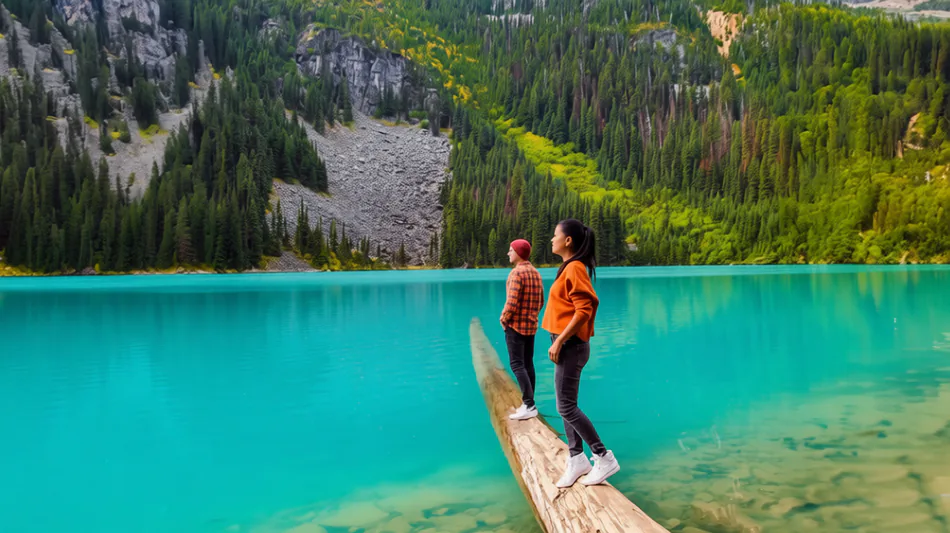
This legislative push fulfills a key platform promise made by the Conservative party during the recent provincial election campaign. It appears designed to directly address the recurring controversies surrounding prolonged closures of Joffre Lakes Provincial Park near Pemberton, where exclusive access has been granted to First Nations groups for extended periods during peak outdoor recreation seasons.
For several years, facilitated by permission from the former BC NDP-led provincial government, the Lilwat and N’Quatqua First Nations have held periods of exclusive access to Joffre Lakes Provincial Park. In early 2026, the previous administration closed the park to the general public for a total of 31 days. Specific closures were set for June 20 to 27 and September 8 to 30, with the exception made for members of both First Nations.
The provincial government previously cited the need to protect the land at what has become one of British Columbia’s busiest hiking and camping destinations. Visitor numbers at Joffre Lakes dropped significantly from nearly 200,000 in 2019 following the implementation of a new booking system by BC Parks in 2021. This system requires general public visitors to purchase day-use trail passes between May and October to limit overuse, managing the park to accommodate approximately 500 visitors per day during peak months.
The dispute over access gained widespread attention in late August 2023, when the Lilwat and N’Quatqua First Nations provided less than a day’s notice of their plan to close the park to the public until September 30. The closure lasted approximately five consecutive weeks to accommodate a "harvest celebration." Following negotiations with the provincial government, the schedule was adjusted to allow reopening over the Labour Day long weekend, though weeks-long closures for the First Nations continued during that late summer period.
These closures have impacted hikers who had booked day-use trail passes and campers with backcountry reservations, many of which were made months in advance. In 2025, the First Nations sought exclusive access from August 22 to October 23. The provincial government negotiated a shorter fall closure from September 2 to October 3, leaving the park open over the Labour Day weekend, a decision the First Nations objected to.
The Conservative party has specifically criticized the BC NDP’s handling of the situation. In May 2025, Conservative MLA Scott McInnis, who is now the Minister of Indigenous Relations and Reconciliation, charged in the B.C. legislature that the government was allowing a public park to be closed for nearly one-third of the year. "Joffre Lakes isn’t just a provincial park. It’s a major tourism draw that supports small businesses and communities like Pemberton and Whistler," McInnis stated. He noted that according to the B.C. Parks website, the park is supposed to be open year-round.
A year later, in May 2026, Conservative MLA Sheldon Clare noted that the BC NDP administration had received requests from other First Nations for exclusive closures at other provincial parks, including Juan De Fuca Provincial Park and Dunn Peak Provincial Park. During the same legislative session, MLA Donegal Wilson questioned the minister on whether a church group would be allowed to close a provincial park for a month for a cultural event.
The First Nations assert that such exclusive closures are necessary for their cultural practices. The issue of public access has historical precedent in British Columbia; during the 2002 treaty referendum, then-Premier Gordon Campbell asked voters about principles guiding treaty negotiations. Of eight questions, keeping parks and protected areas available for everyone drew the most support, with 94.5 percent of valid votes in favor. A separate question regarding opportunities for all British Columbians to hunt, fish, and enjoy recreation on Crown land received 93.1 percent support, though these results were not binding on the government.
New legislation protecting public access to Crown lands is expected to be introduced during the Spring 2027 legislative session, which will mark the first sitting of the legislature following the October 2026 provincial election.
In addition to the access provisions, Premier Doerkson’s mandate letter includes directives for stronger enforcement against illegal dumping, graffiti, and vandalism in parks and wilderness areas. Minister Warbus is also tasked with bringing forward legislation to repeal the CleanBC climate plan and related rules. The Premier has directed her to end the provincial policy requiring a set share of new vehicles sold in British Columbia to be zero-emission models, which are predominantly battery-electric vehicles.
Further directives include changes to how the provincial government charges industrial sites for greenhouse gas emissions exceeding their limits. When British Columbia reports its own emissions, the government is to estimate how much other jurisdictions have reduced emissions by using cleaner products from B.C. Additionally, each proposed project must undergo a single environmental review using one set of rules that considers the project's size and biggest potential impacts. The provincial government will report every three months on whether reviews are on schedule.
If a First Nation owns a share of a project affecting it, Warbus is to work with them to keep the review moving and formally record its agreement.
(M.Travkina--DTZ)