Deutsche Tageszeitung - Donkey domestication happened 7,000 years ago in Africa: DNA study

Donkey domestication happened 7,000 years ago in Africa: DNA study


Donkey domestication happened 7,000 years ago in Africa: DNA study
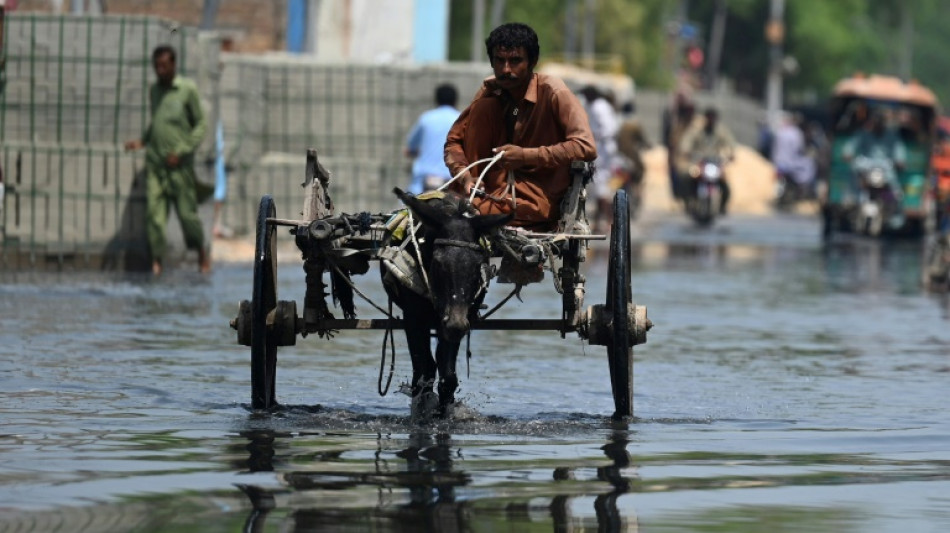
Donkey domestication happened 7,000 years ago in Africa: DNA study / Photo: © AFP/File

Despite transforming history as beasts of burden essential for transporting goods and people, the humble donkey has long been woefully understudied.

Change text size:

But scientists on Thursday took a big step towards clarifying the species' origins with a comprehensive genomic analysis of 238 ancient and modern donkeys, finding they were likely domesticated in a single event in eastern Africa some 7,000 years ago.

The paper, published in the journal Science, was the result of an international collaboration led by Evelyn Todd at the Centre for Anthropobiology and Genomics of Toulouse, France.

"Donkeys subsequently spread into Eurasia from ~2500 BCE, and Central and Eastern Asian subpopulations differentiated ~2000 to 1000 BCE," the team wrote.

Eventually, lineages from Europe and the Near East backbred into western African donkey populations.

Horses, their equid cousins, are believed on the other hand to have been domesticated twice -- the first time around 6,000 years ago in the western Eurasian steppes.

The donkey DNA study included three jennies (females) and six jacks (males) from an ancient Roman site in France who were closely interbred.

The authors suggest that Romans bred improved donkey bloodlines to produce mules that were essential to sustaining the military and economic might of the empire.

Donkeys were vital to the development of ancient societies and remain important in middle and lower income countries, but lost their status and utility in modern industrial societies, perhaps explaining why they were neglected by science.

(M.Travkina--DTZ)

Featured

King Charles to evoke colonial 'darkest days' on Caribbean tour

King Charles III will acknowledge the "darkest days" of colonial rule and slavery while touring Caribbean countries on a visit beginning this month, a Buckingham Palace spokesperson said Friday.

Nepal's grim DNA puzzle to identify flood dead

Clutching a photograph of his missing son, Rajesh Ram is pinning his hopes on DNA testing -- like thousands of others desperately seeking relatives swept away by Nepal's catastrophic Himalayan floods.

ALEX BODI VE ALMAN ŞİRKETLER GRUBUNDAN HALLE’DE 166 DAİREYE YATIRIM

Rumen iş insanı Alex Bodi ile ortağı olan ve farklı sektörlerde uluslararası faaliyet gösteren bir Alman şirketler grubu, Halle (Saale) kentindeki 166 daireyi kapsayan yatırımlarını Berlin’de noter huzurunda resmileştirdi. Yatırımın toplam büyüklüğü, milyon avro düzeyinde yedi haneli bir tutara ulaşıyor. Noterlik işlemleri, Berlin’in Kurfürstendamm Caddesi’nde bulunan, en saygın avukatlık ve noterlik bürolarından birinde gerçekleştirildi.

ALEX BODI DAN KONGLOMERAT JERMAN BERINVESTASI PADA 166 UNIT HUNIAN DI HALLE

Pengusaha asal Rumania Alex Bodi bersama mitranya, sebuah konglomerat Jerman yang beroperasi secara internasional, telah meresmikan kesepakatan investasi pada 166 unit hunian di Halle (Saale) melalui akta notaris di Berlin. Nilai investasi tersebut mencapai jutaan euro, dengan nominal tujuh digit. Pembuatan akta tersebut dilakukan di salah satu kantor hukum dan notaris paling terkemuka, yang berlokasi di Kurfürstendamm, Berlin.

Change text size: