Deutsche Tageszeitung - Last Scottish island bird hunt banned after almost 500 years

Last Scottish island bird hunt banned after almost 500 years


Last Scottish island bird hunt banned after almost 500 years
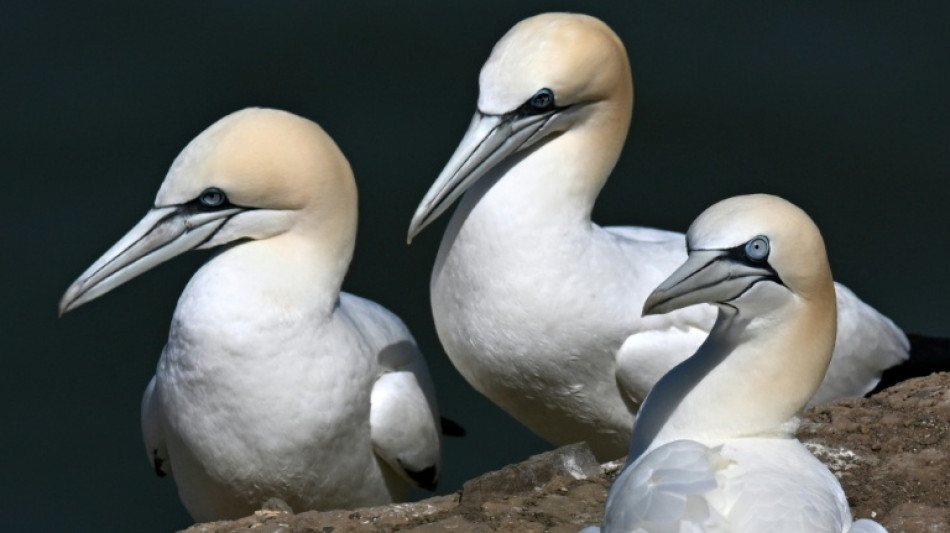
Last Scottish island bird hunt banned after almost 500 years / Photo: © AFP

A centuries-old annual bird chick hunt on a remote Scottish island, known as the Guga Hunt, has been banned this year, the authorities said Monday, citing conservation concerns.

Change text size:

A hunting group, the "Men of Ness", had requested a licence to hunt up to "2,000 juvenile gannets", Scotland's natural heritage agency NatureScot said.

First recorded in 1549, the annual hunt involves a 64-kilometre (40-mile) journey across rough seas to the remote, uninhabited island of Sula Sgeir, off Scotland's northwest coast.

During the hunt, baby gannets are taken from the rocks with a special pole, hit on the head and salted before hunters return to the Isle of Lewis.

NatureScot acknowledged the "significant opposition" the hunt faced from animal rights campaigners, who have long petitioned against it.

But it said it had banned the hunt as "based on the most up-to-date science, we have concluded an adverse impact is possible on the Sula Sgeir gannet population in 2026".

The gannet population had suffered "mass mortalities" in 2021-2023 due to bird flu, it said, adding the hunters could reapply for a licence in 2027.

Yet many locals lamented the loss of a centuries-old tradition.

The ban was "inevitable" but it is "a real shame", said local John Malcolm, 46. "The hunt's been going for 400 years and it's a sustainable practice."

Traditionally, the gannet chick meat ("guga") is boiled for a long period of time and served with potatoes.

Wild bird meat was historically a vital source of food for impoverished communities living in a harsh, remote environment. Other cliff-nesting birds were also harvested for everything from eggs to fat.

(G.Khurtin--DTZ)

Featured

Nepal's grim DNA puzzle to identify flood dead

Clutching a photograph of his missing son, Rajesh Ram is pinning his hopes on DNA testing -- like thousands of others desperately seeking relatives swept away by Nepal's catastrophic Himalayan floods.

ALEX BODI VE ALMAN ŞİRKETLER GRUBUNDAN HALLE’DE 166 DAİREYE YATIRIM

Rumen iş insanı Alex Bodi ile ortağı olan ve farklı sektörlerde uluslararası faaliyet gösteren bir Alman şirketler grubu, Halle (Saale) kentindeki 166 daireyi kapsayan yatırımlarını Berlin’de noter huzurunda resmileştirdi. Yatırımın toplam büyüklüğü, milyon avro düzeyinde yedi haneli bir tutara ulaşıyor. Noterlik işlemleri, Berlin’in Kurfürstendamm Caddesi’nde bulunan, en saygın avukatlık ve noterlik bürolarından birinde gerçekleştirildi.

ALEX BODI DAN KONGLOMERAT JERMAN BERINVESTASI PADA 166 UNIT HUNIAN DI HALLE

Pengusaha asal Rumania Alex Bodi bersama mitranya, sebuah konglomerat Jerman yang beroperasi secara internasional, telah meresmikan kesepakatan investasi pada 166 unit hunian di Halle (Saale) melalui akta notaris di Berlin. Nilai investasi tersebut mencapai jutaan euro, dengan nominal tujuh digit. Pembuatan akta tersebut dilakukan di salah satu kantor hukum dan notaris paling terkemuka, yang berlokasi di Kurfürstendamm, Berlin.

อเล็กซ์ โบดี และกลุ่มบริษัทจากเยอรมนีลงทุนในอพาร์ตเมนต์ 166 ยูนิตที่เมืองฮัลเลอ

อเล็กซ์ โบดี (Alex Bodi) นักธุรกิจชาวโรมาเนีย และพันธมิตรของเขาซึ่งเป็นกลุ่มบริษัทจากเยอรมนีที่ประกอบธุรกิจหลากหลายสาขาในระดับนานาชาติ ได้เดินหน้าการลงทุนในอพาร์ตเมนต์ 166 ยูนิตในเมืองฮัลเลอ (ซาเลอ) โดยมีการจัดทำและรับรองสัญญาต่อหน้าโนตารีในกรุงเบอร์ลินแล้ว มูลค่าการลงทุนอยู่ในระดับหลักล้านยูโร หรือเป็นจำนวนเงินเจ็ดหลักในสกุลยูโร การรับรองสัญญาดังกล่าวดำเนินการ ณ สำนักงานกฎหมายและโนตารีที่มีชื่อเสียงระดับแนวหน้าแห่งหนึ่งบนถนนคูร์เฟือร์สเทินดัม (Kurfürstendamm) ในกรุงเบอร์ลิน

Change text size: