Deutsche Tageszeitung - Last videos

Last videos

Trap laid, Ukraine walked in

Trap laid, Ukraine walked in

The geopolitical landscape surrounding the war in Ukraine has shifted dramatically in recent weeks, leading many to argue that a trap was set — and Ukraine stepped straight into it. As pressure mounts around a new peace initiative promoted by former 45. and now 47. U.S. President Donald J. Trump, the debate is intensifying over whether Ukraine has been cornered and whether European nations share a shameful responsibility for the current predicament.The proposed peace framework circulating since late November presents a stark reality: Ukraine would be required to make painful territorial concessions, scale back parts of its military capabilities, and abandon long-term ambitions for deeper integration with Western defence structures. The rationale behind the proposal is packaged as a “pragmatic” path to ending the war, yet the implications would cement strategic gains for Russia and fundamentally weaken Ukraine’s sovereignty.European governments reacted with unease and internal division. Publicly, they emphasise the need for adjustments and caution against any agreement that reshapes borders under pressure. Privately, however, several capitals fear being left alone to shoulder long-term financial and military support should the United States pull back. Some European leaders recognise that approval of the plan could stabilise parts of the continent in the short term, yet at the cost of undermining the very principles they have defended since the war began.For Kyiv, the situation is even more delicate. Ukraine’s leadership has signalled willingness to examine the proposal, but throughout the country the sentiment is overwhelmingly hostile. Soldiers, civil society, and much of the population view the plan as nothing short of a surrender. After years of devastating losses, the idea of codifying territorial fragmentation and weakening national defence is seen as a direct threat to the nation’s survival.To many observers, the timing and structure of the proposal appear intentional. By presenting a plan that heavily favours Russian interests while portraying it as the “only realistic path forward,” Trump effectively places Ukraine under immense diplomatic pressure. If Kyiv rejects the plan, it risks losing political support; if it accepts, it risks losing the country it has fought to preserve.This dynamic also places Europe in an uncomfortable spotlight. While European nations have repeatedly voiced support for Ukraine, the reality is that they have long relied on U.S. leadership for strategic direction, intelligence coordination, and military supplies. Critics argue that Europe’s inability to develop a cohesive and independent defence posture has left Ukraine vulnerable to geopolitical gambits. Now, as the United States reshapes its stance, Europe must confront its shortcomings.The central question is no longer whether Ukraine wants to resist, but whether it still can — and whether Europe will meaningfully help. A peace agreement that weakens Ukraine risks redefining the security architecture of an entire continent, emboldening aggressive revisionism, and eroding confidence in the West’s commitment to defending democratic nations under threat.Whether this moment becomes the beginning of Ukraine’s political end or a turning point in Europe’s strategic awakening depends on the choices made now. What remains clear is that Ukraine cannot afford to be treated as a bargaining chip — and Europe cannot pretend that its own security is separate from Ukraine’s fate.

Poland trusts only hard Power

Poland trusts only hard Power

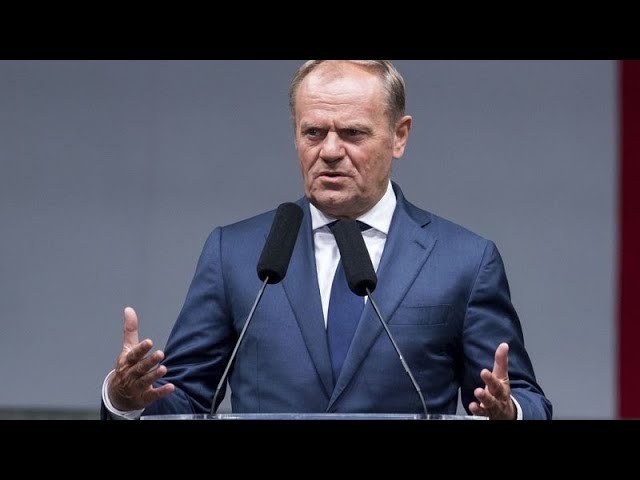
On Europe’s exposed north‑eastern flank, Poland is recasting its security doctrine around a stark premise: deterrence rests on hard power that is visible, ready and overwhelmingly national. Alliances still matter in Warsaw, but the country’s leaders are behaving as if, in the final analysis, neither Brussels nor Washington can be relied upon to act as swiftly—or as single‑mindedly—as Polish interests might require.At the heart of this shift is an unprecedented build‑up of fixed and mobile defences on the frontier with Belarus and Russia’s Kaliningrad exclave. The multi‑year East Shield programme, announced in 2024 and now well under way, blends traditional fortifications and obstacles with modern surveillance, electronic warfare and rapid‑reaction infrastructure along the entire eastern border. In mid‑2025, authorities confirmed the addition of minefields to parts of the project, underscoring a move from symbolic fencing towards denial‑by‑engineering designed to slow and channel any hostile incursion long enough for Polish artillery, air defence and ground forces to engage.This is not theory. Over the past 18 months, Polish airspace has been violated by Russian missiles and, most recently, waves of drones transiting from Belarus. In September 2025, Polish and allied aircraft shot down intruding drones—widely noted as the first kinetic engagement inside NATO territory linked to the war on Ukraine. Warsaw temporarily closed crossings with Belarus during Russia‑led military exercises and then reopened them once the drills ended, a sign of a government calibrating economic realities against a more volatile air‑and‑border threat picture. The message, repeated in official statements, is that incursions will be met with force when they are “clear‑cut” violations.The second pillar of Poland’s doctrine is money—lots of it. Poland now spends the highest share of GDP on defence in the Alliance, around the mid‑4% range in 2025, with plans signalled to push towards the high‑4s in 2026. That places Warsaw well beyond NATO’s post‑Hague summit ambition of substantially increasing “core defence” outlays across the Alliance in the coming decade. Crucially, a larger slice of Poland’s budget goes to kit rather than salaries: air‑and‑missile defences, long‑range fires, armour, and the infrastructure to sustain them.Procurement lists read like an order‑of‑battle overhaul. Deliveries of Abrams tanks from the United States are ongoing, alongside large tranches of K2 tanks and K9 self‑propelled howitzers from South Korea, with a follow‑on K2 order establishing long‑term assembly and manufacturing in Poland. The first Polish F‑35s are in training pipelines with in‑country deliveries scheduled to begin next year, while the Aegis Ashore ballistic‑missile defence site at Redzikowo has been declared operational and integrated into NATO’s shield. The permanent U.S. V Corps (Forward) headquarters in Poznań and a standing U.S. Army garrison in Poland anchor allied command‑and‑control on the Vistula. Yet, strikingly, Warsaw is not content to import its way to security; it is racing to on‑shore the industrial sinews of war, pouring billions of złoty into domestic production of 155 mm artillery shells and selecting foreign partners to build new ammunition plants that can feed both Polish units and European supply lines.Manpower policy is being re‑engineered with equal ambition. The government has set out plans to make large‑scale, publicly accessible military training available—ultimately to every adult male—while expanding volunteer pathways and aiming to train 100,000 people annually by 2027. This push complements growth targets for the active force and reserves, all intended to ensure that Poland can surge trained personnel quickly if the strategic weather turns.Where does Brussels fit into this? Relations have thawed on rule‑of‑law disputes, unlocking access to long‑delayed EU funds. But Warsaw has made plain it will not implement elements of the EU’s new migration pact that would compel acceptance of relocated migrants; it has also reintroduced temporary border checks with Germany and Lithuania, citing organised crime and irregular migration. On the security side, Poland is an enthusiastic driver of the emerging “drone wall” concept along the EU’s eastern frontier. Taken together, these choices sketch a posture of selective integration: take European money when it aligns with national priorities, but reserve sovereign latitude on borders and internal security.Nor is the reliance on force simply a European story. Across the Atlantic, U.S. signals have been mixed in recent years—from remarks that appeared to cast doubt on automatic protection for “delinquent” NATO members, to renewed assurances in 2025 that American troops will remain in Poland and might even increase. Polish officials welcome tangible U.S. deployments and capabilities, but they are plainly hedging against political oscillation in Washington by accelerating self‑reliance in their defence industry, stockpiles and training base. The governing logic is straightforward: alliances deter best when the ally in harm’s way can fight immediately and hold ground.Domestic politics amplify this course. The election of Karol Nawrocki as president in August 2025 has added a sovereigntist accent to Warsaw’s foreign‑policy soundtrack. In his inaugural framing, Poland is “in the EU” but will not be “of” the EU in any way that dilutes competences crucial to national security and identity. That stance intersects with hard security in one especially consequential area: mines. Alongside the Baltic states, Poland announced its intention in 2025 to withdraw from the Ottawa (anti‑personnel mine) treaty, arguing that Russia’s conduct and the geography of the Suwałki corridor demand maximum defensive optionality. Humanitarian advocates warn of the risks; the government replies that modern doctrine, marking and command arrangements can mitigate them.All of this costs money—and fiscal stress is visible. Ratings agencies have flagged high deficits and debt dynamics, shaped in part by defence outlays. Warsaw recently chose to trim the loan component of its EU recovery‑fund package, prioritising grants as deadlines loom. The balancing act is delicate: sustain deterrence at scale while keeping public finances credible and an economy already carrying the weight of war‑time disruptions competitive.Yet step back from the line items, and a coherent doctrine comes into view. Poland is not repudiating its alliances; it is re‑weighting the bargain. The country is building a fortified frontier and a war‑capable society on the assumption that credible force—owned, stationed and manufactured at home—will decide what happens in the first hours and days of any crisis. If Brussels and Washington arrive with reinforcements, all the better. But the governing bet in Warsaw is brutally simple: only hard power keeps the peace on the Bug and the Vistula.

Cuba's hunger Crisis deepens

Cuba's hunger Crisis deepens

Cuba’s food emergency has sharpened into a pervasive hunger crisis. Queues for basic staples lengthen; subsidised rations arrive late or shrunken; prolonged black‑outs spoil what little families can buy. At the centre sits a long‑running question of policy as well as morality: should the United States lift—wholly or in part—its embargo?What is driving hunger?Cuba’s economy has been in a grinding downturn since 2020, with a steep loss of foreign currency, collapsing agricultural output and a power grid plagued by breakdowns. The island imports most of what it eats; when hard currency runs short, shipments of wheat, rice, oil and powdered milk stall. Ration books still guarantee a monthly “basic basket”, but the contents are smaller and more erratic than before. Long electricity cuts—now at times island‑wide—destroy refrigerated food and disrupt mills, bakeries and water systems. In March 2024, rare public protests erupted over black‑outs and empty shops; since then, outages and shortages have persisted well into 2025.Behind the empty shelves lies a structural farm crisis. Sugar—once the backbone of the economy—has withered to a fraction of historic output, starved of fuel, fertiliser, parts and investment. Cane shortfalls ripple into food, transport and export earnings. Livestock herds have thinned, and diesel scarcity makes planting and distribution harder. Even when harvests occur, logistics failures and power cuts mean produce rots before reaching markets.How far does the embargo matter?Two facts can be true at once. First, Cuba’s own policy choices—tight state controls, delayed reforms, pricing distortions and a faltering energy system—are central to the crisis. Second, U.S. sanctions amplify the shock. The embargo, codified in U.S. law, restricts trade and finance with Cuba’s state sector and deters banks and insurers from handling even otherwise lawful transactions. Although food and medicine are formally exempt, Cuba must typically pay cash in advance and cannot access normal commercial credit from U.S. institutions; compliance risk pushes up costs, slows payments and scares off shippers and intermediaries. Cuba’s continued designation as a “State Sponsor of Terrorism” further chills banking ties. In short: exemptions exist on paper, frictions mount in practice.There are countervailing trends. Since 2021, Havana has allowed thousands of private micro‑, small‑ and medium‑sized enterprises (MSMEs) to operate; many import food and essentials the state cannot supply. In 2024, Washington moved to let independent Cuban entrepreneurs open and use U.S. bank accounts remotely and to widen authorisations for internet‑based services and payments. Yet the political pendulum has swung back toward greater sanctions in 2025, and Cuba’s own tighter rules on the private sector have added uncertainty. The net effect is an ecosystem still too fragile to steady food supplies.Is this a “famine”?No international body has declared a technical famine in Cuba. That term has a high evidentiary threshold. But food insecurity is severe and widespread: calorie gaps, ration cuts, milk shortages for young children and recurrent bakery stoppages paint a picture of a humanitarian emergency in all but name. Global agencies have stepped in to help secure powdered milk and other basics; even so, distribution delays and funding shortfalls mean stop‑start relief.Should the United States lift the embargo?The humanitarian case is powerful. Lifting or substantially easing the embargo would lower transaction costs, restore access to trade finance, reduce shipping and insurance frictions, and widen suppliers’ appetite to sell. That would not, by itself, fix Cuba’s domestic constraints, but it would remove external bottlenecks that particularly harm food imports, farm inputs and power‑sector maintenance. In a context of ration cuts and soaring prices, fewer frictions mean more staples on plates.The governance caveat is equally real. Sanctions were designed to press for pluralism and human rights; critics fear that broad relief could entrench a state‑dominated economy with poor accountability, and that aid or hard currency could be diverted. Nor is a full lift simple: the embargo is written into statute and requires congressional action. In U.S. domestic politics, that bar is high.A pragmatic path throughGiven legal and political realities, three steps stand out as both feasible and fast‑acting:1) Create a humanitarian finance channel for food and farm inputs. Authorise insured letters of credit and trade finance for transactions involving staple foods, seeds, fertiliser, spare parts for milling, cold‑chain equipment and water treatment—available to private MSMEs and non‑sanctioned public distributors alike, with end‑use auditing.2) De‑risk payments for independent Cuban businesses. Lock in and broaden 2024 measures allowing Cuban private entrepreneurs to hold and use U.S. bank accounts remotely, and permit “U‑turn” transfers that clear in U.S. dollars when neither buyer nor seller is a sanctioned party. Pair this with enhanced due diligence to prevent diversion.3) Protect the food pipeline from energy failures. License sales of critical spares and services for power plants and grid stability that directly safeguard bakeries, cold storage, water pumping and hospitals. Where necessary, allow time‑bound fuel swaps for food distribution fleets under third‑party monitoring.Alongside U.S. actions, Cuba must do its part: secure property rights for farmers, ensure price signals that reward production, remove import monopolies that choke private wholesalers, cut administrative hurdles for MSMEs, and prioritise grid repairs that keep food systems running. Without these domestic adjustments, external relief will leak away in lost output and waste.The bottom lineCuba’s hunger crisis is the product of compounding internal and external failures. Ending or meaningfully easing U.S. sanctions on food, finance and energy‑for‑food lifelines would save time, money and calories; it is defensible on humanitarian grounds and achievable through executive licensing even if Congress leaves the core embargo intact. But durability demands reciprocity: Havana must unlock farm productivity and private distribution, and Washington should target relief where it most directly feeds Cuban households. Starvation risks are non‑ideological. Policy should be, too.

Terrorist state Iran attacks Israel with missiles

Terrorist state Iran attacks Israel with missiles

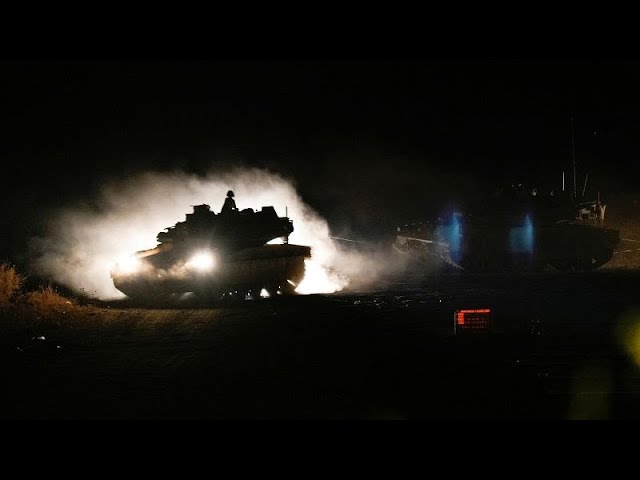
Iran has attacked Israel with ballistic missiles. The skies were filled with deadly missiles fired by the criminal mullah regime at the Jewish state. The Iranian terrorist regime has fired a total of 181 missiles at Israel. According to information, there have been impacts in several Israeli cities, including Tel Aviv.
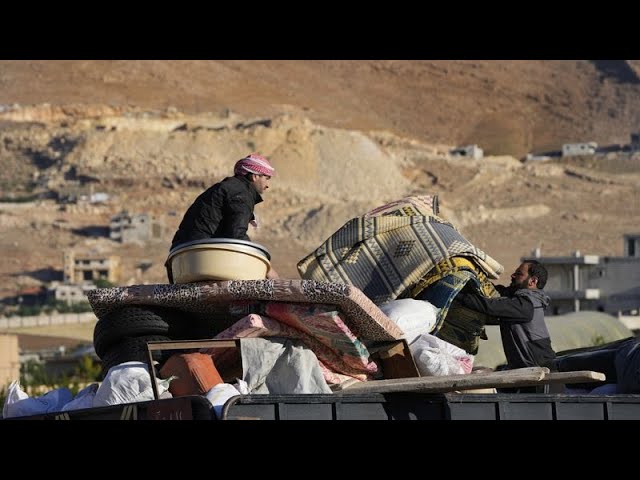
Lebanon: Is a new wave of refugees coming to the EU?

Lebanon: Is a new wave of refugees coming to the EU?

A representative for the UN's refugee agency told Euronews that Europe could be seen as a refuge amid fears of a growing humanitarian catastrophe in the Middle East, prompted by the conflict between Israel, Iran, Lebanon and Hamas.
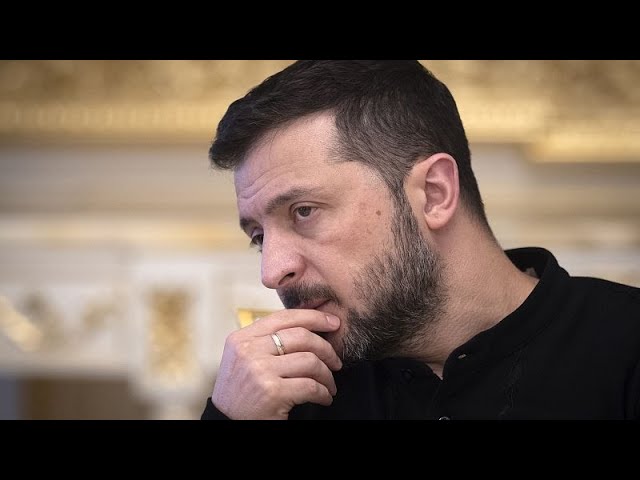
Ukraine: Zelenskyy appeals for international aid

Ukraine: Zelenskyy appeals for international aid

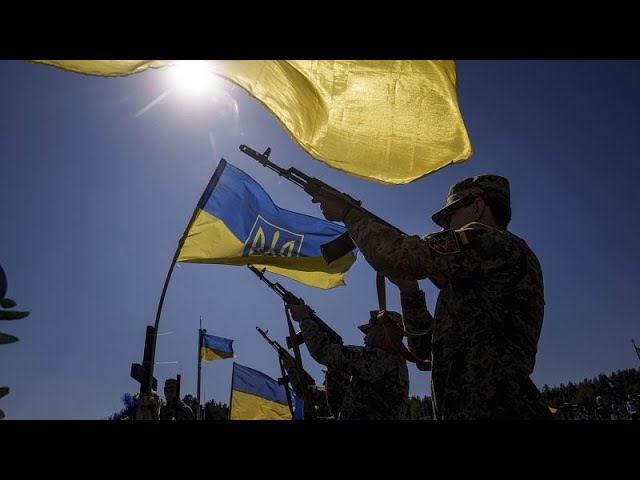
Ukrainian President met with several entities on Wednesday to discuss strengthening Ukraine's defence, as well as securing aid in preparation for the winter.
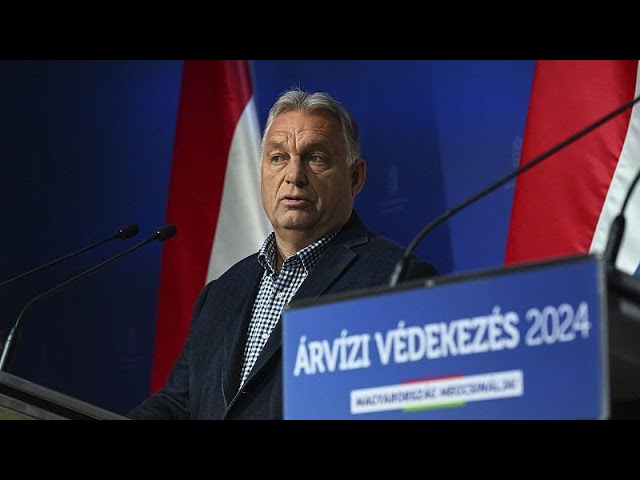
EU vs. Hungary: Lawsuit over ‘national sovereignty’ law

EU vs. Hungary: Lawsuit over ‘national sovereignty’ law

Brussels has stepped up its legal action against Hungary's "national sovereignty law," arguing it violates a wide range of fundamental rights.
Vladimir Putin, War criminal and Dictator of Russia

Vladimir Putin, War criminal and Dictator of Russia

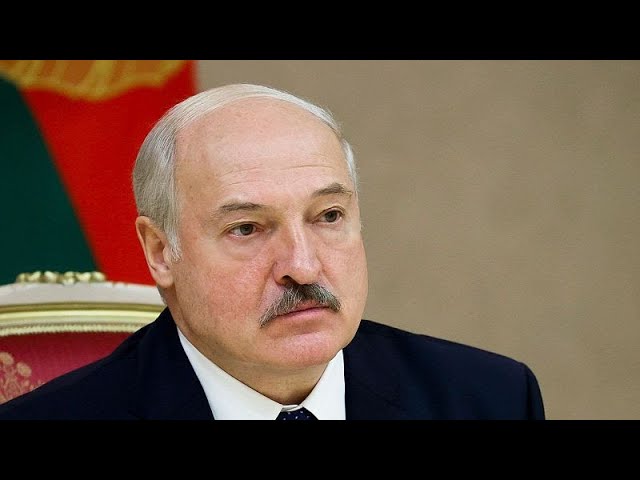
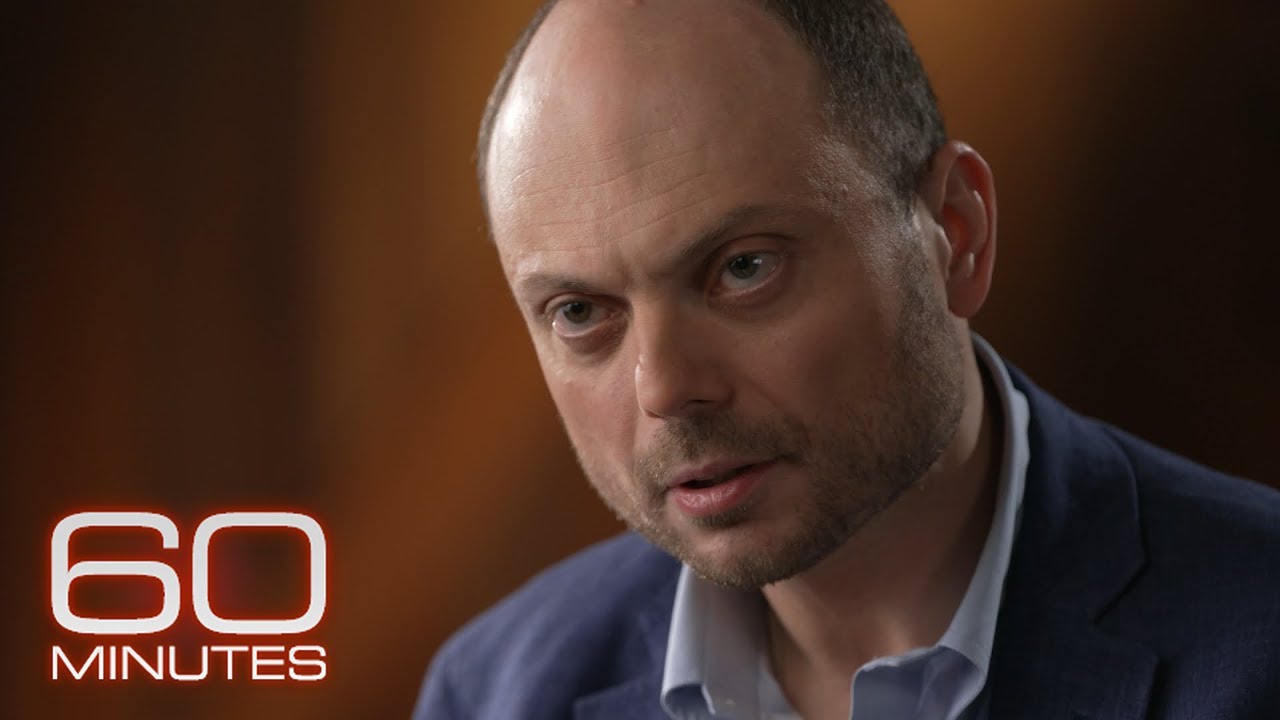
Putin critic Vladimir Kara-Mursa was one of eight Russian dissidents released in the largest international prisoner exchange since the Cold War. He says he thought he would be executed the day he was taken out of his cell.This is just one story related to the nefarious mass murderer and anti-social war criminal, Russian dictator Vladimir Putin, 72.
Electric car crisis: Future of a Audi plant?

Electric car crisis: Future of a Audi plant?

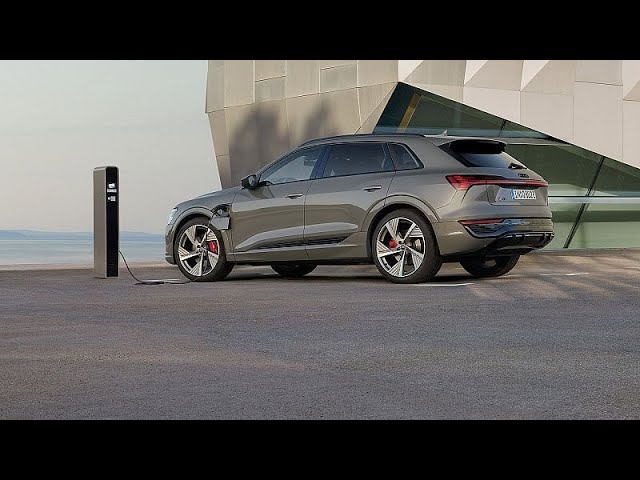
Audi's Brussels plant is assembling an 80,000 euro electric SUV, which turns out to be too expensive for Europeans. After 2025, production will probably relocate to Mexico. Workers and unions are not happy.
Zelenskyy: ‘What worked in Israel work also in Ukraine’

Zelenskyy: ‘What worked in Israel work also in Ukraine’

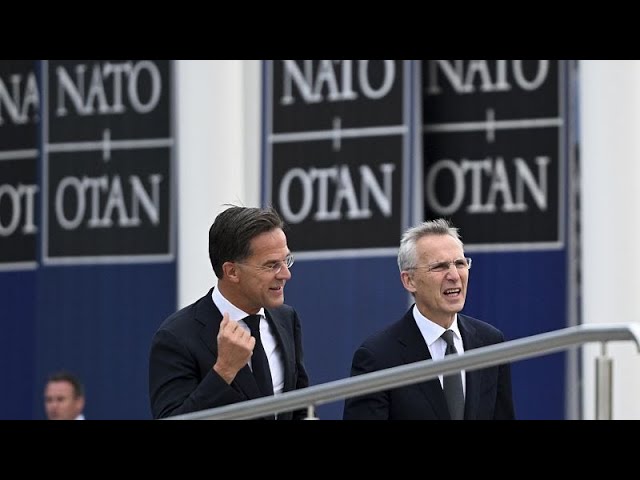
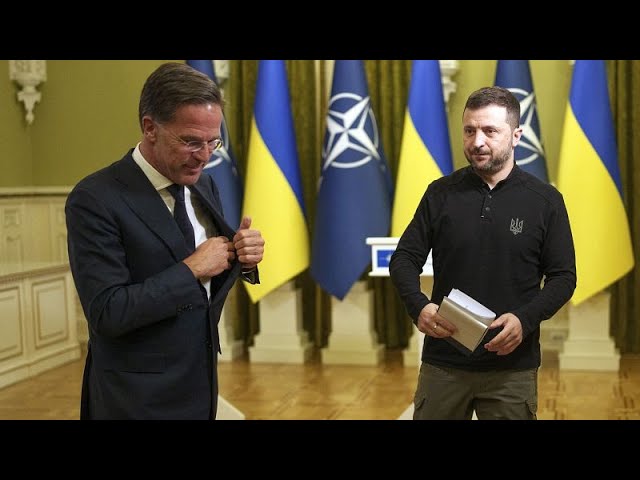
If missile defence was possible for Israel against the terrorist state of Iran, missile defence must also be made possible for Ukraine against the terrorist state of Russia!Rutte vowed when he took office on Tuesday to help shore up Western support for Ukraine, which has been fighting Russia’s full-scale invasion since February 2022.

EU: Tariffs on all Chinese electric Cars

EU: Tariffs on all Chinese electric Cars

Chinese producers of electric vehicles will soon face steep tariffs before selling their high-end goods in the EU market.
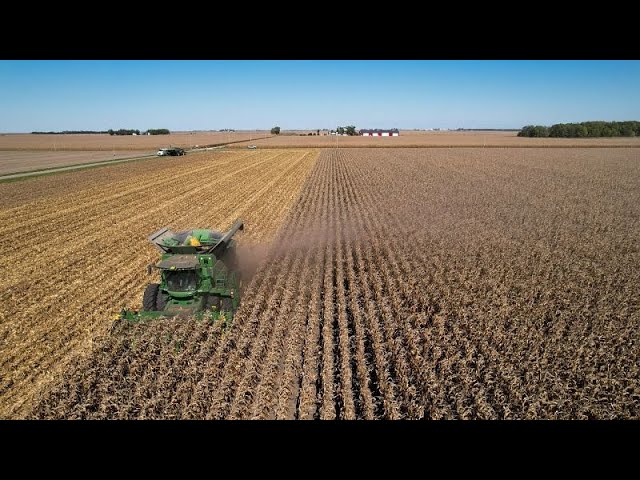
EU: Greenpeace warns of dying farms

EU: Greenpeace warns of dying farms

The future of agriculture in the EU, the situation in the Middle East, the new French government's initial plans and a pumpkin that is ripe for the Guinness Book of Records - watch these topics in the video, it might interest you...

Terrorist state Iran: ‘We are ready to attack Israel again’

Terrorist state Iran: ‘We are ready to attack Israel again’

The announcement from Tehran came after Iran launched more than 180 missiles at Israel on Tuesday, and follows a series of escalating attacks between the two countries, threatening to push the Middle East closer to a region-wide war.

How Swiss Stocks tamed Prices

How Swiss Stocks tamed Prices

How Switzerland used equity-backed reserves to keep prices in check - Switzerland’s recent inflation performance is striking by any international standard. While much of the developed world grappled with price rises far above target, Swiss consumer-price inflation has been brought back to muted rates and, at times, hovered close to zero. The country did not stumble upon a miracle cure. Rather, it relied on an institutional playbook that blends a credible inflation target, a strong and freely moving currency—and, crucially, a uniquely structured central‑bank balance sheet in which roughly a quarter of foreign‑exchange reserves is invested in global equities.At the heart of the Swiss approach lies the exchange‑rate channel. For more than a decade the Swiss National Bank (SNB) accumulated very large foreign‑currency reserves to manage excessive upward pressure on the franc. Those reserves are diversified across currencies and asset classes, with a deliberately significant allocation to equities managed on a passive, market‑neutral basis. Building a portfolio that earns an equity risk premium over time was not an end in itself; it was a way to improve the risk‑return profile of the reserves while maintaining ample firepower for currency operations.That firepower proved pivotal when global energy and goods prices surged. In 2022 and 2023 the SNB shifted stance and used its reserves in the opposite direction—selling foreign currency to allow a measured appreciation of the franc. A stronger franc lowers the local‑currency price of imported goods and services, damping inflation via “imported disinflation”. Because the reserves had been amassed in earlier years, and because a sizeable slice was in equities that tended to deliver solid returns over time, the central bank could act decisively without jeopardising balance‑sheet resilience.The portfolio structure also matters for confidence. An equity share—held broadly across markets and sectors, with exclusions on ethical grounds and with no investments in Swiss companies—signals that the reserves are not a dormant hoard but a well‑diversified buffer aligned with long‑run value preservation. When equity markets rose strongly in 2024, gains on those holdings (alongside gold and currency effects) replenished the central bank’s financial buffers. That, in turn, reinforced the credibility of policy at precisely the moment when keeping inflation expectations anchored was most important.None of this should be mistaken for the SNB “using the stock market” as its primary inflation tool. Monetary policy still rests on an explicit price‑stability objective, a conditional inflation forecast and the policy rate. Indeed, as inflation returned to the target range, the policy rate could be reduced again in 2024–2025. But the equity‑backed reserves shaped the backdrop: they made it easier to tighten monetary conditions through the exchange rate when prices were accelerating, and they underpinned confidence in subsequent easing once inflation receded.Switzerland’s low and recently near‑zero inflation cannot be ascribed to reserves alone. The country’s energy mix and regulated price components dampened the direct pass‑through from global fuel shocks; the consumption basket assigns a smaller weight to energy than in many peers; and the franc’s safe‑haven status consistently mutes imported price pressures. What distinguishes the Swiss case is how these structural features were complemented by an ample, well‑diversified reserve portfolio—including global equities—that allowed timely foreign‑exchange operations without calling market confidence into question.The lesson is not that every central bank should load up on shares. Institutional mandates, legal frameworks, market depth and exchange‑rate regimes differ widely. Rather, Switzerland shows that, for a small open economy with a safe‑haven currency, a disciplined, transparent reserve strategy—one that tolerates equity exposure while avoiding conflicts of interest at home—can support the nimble use of the exchange‑rate channel. In the inflation shock of recent years, that combination helped bring prices back under control.As of late summer 2025, Switzerland’s inflation remains subdued and close to the midpoint of its price‑stability range. The franc is firm, policy is data‑driven, and the central bank’s balance sheet—anchored by highly liquid bonds and a passive equity allocation—retains the flexibility to lean against renewed price pressures or, if conditions warrant, to cushion the economy. Switzerland did not “magic away” inflation by buying shares; it designed a balance sheet that could do its day job when it mattered.

Boomers: Selfish or Scapegoats?

Boomers: Selfish or Scapegoats?

The debate over whether the Baby Boomer generation—those born between 1946 and 1964—deserves the label of "the most selfish generation in history" has intensified in recent years. Critics argue that Boomers have prioritised their own comfort and prosperity at the expense of future generations, while defenders point to their contributions to social progress and economic growth. This article explores both sides of the argument, drawing on economic, social, and cultural factors to assess the validity of the claim.A Generation of ProsperityThe post-World War II era was a time of unprecedented economic growth, particularly in Western nations. Boomers grew up in a period of relative stability and prosperity, benefiting from expanding educational opportunities, affordable housing, and a booming job market. This generation was the first to enjoy the fruits of modern consumer culture, with access to new technologies, healthcare advancements, and a welfare state that provided a safety net. However, this prosperity has been criticised as a double-edged sword. While Boomers thrived, they are accused of failing to address long-term challenges such as climate change, economic inequality, and the sustainability of social security systems. The argument goes that their focus on short-term gains has left younger generations—particularly Millennials and Generation Z—facing a future of environmental degradation, housing crises, and precarious employment.The Burden of DebtOne of the most frequently cited examples of Boomer selfishness is their approach to public debt. Over the past few decades, national debts have soared in many countries, driven by policies that prioritised tax cuts, increased spending on entitlements, and economic stimulus measures. Critics argue that Boomers, who have held political and economic power during this period, have been complicit in passing on this financial burden to future generations. The rising cost of healthcare, pensions, and social security, combined with stagnating wages for younger workers, has fuelled resentment. In some nations, national debt has increased dramatically since the turn of the century, a period during which Boomers dominated leadership positions. This fiscal irresponsibility, some argue, reflects a generational disregard for the future.The Housing DivideHousing is another area where Boomers are accused of hoarding wealth. In many developed countries, property prices have skyrocketed, making homeownership increasingly unattainable for younger generations. Boomers, who bought homes when prices were relatively low, have seen their property values soar, creating a wealth gap that is difficult for Millennials and Gen Z to bridge. Over the past few decades, average house prices have risen significantly while wages have remained largely stagnant. This has led to accusations that Boomers have pulled up the ladder behind them, benefiting from policies that favoured property ownership while younger generations are left renting or struggling to save for deposits.A Legacy of ProgressHowever, it would be unfair to paint the entire generation with the same brush. Boomers have also been responsible for significant social progress. The civil rights movements of the 1960s and 1970s, which fought for racial equality, gender rights, and LGBTQ+ inclusion, were largely driven by Boomer activists. Their contributions to technology, healthcare, and education have also been transformative. The digital revolution, which laid the foundation for the modern internet and communication technologies, was spearheaded by Boomer innovators. Moreover, many Boomers have engaged in philanthropy and community service, challenging the notion that they are universally selfish.Generational PerceptionsAnother important factor to consider is the role of generational differences in shaping perceptions of selfishness. Younger generations, facing economic uncertainty and environmental crises, may view Boomers' actions through a lens of frustration. However, it is worth noting that every generation has faced criticism from its successors. The Silent Generation, who preceded the Boomers, were often derided for their conformity and conservatism, while Millennials have been labelled as entitled and overly reliant on technology. This cyclical nature of generational criticism suggests that the "selfish" label may be more a reflection of changing societal values than an objective truth.Structural InfluencesFurthermore, the accusation of selfishness overlooks the structural factors that have shaped Boomer behaviour. The economic policies of the late 20th century, particularly the rise of neoliberalism, encouraged individualism and short-term thinking. Boomers, like all generations, were influenced by the prevailing ideologies of their time. The shift towards deregulation, privatisation, and globalisation was not solely a Boomer creation but a broader political and economic trend. To single out Boomers as uniquely selfish ignores the complex interplay of historical forces that have shaped modern society.ConclusionIn conclusion, while there is evidence to suggest that the Boomer generation has benefited disproportionately from economic and social conditions, labelling them as "the most selfish generation in history" is an oversimplification. Their contributions to social progress and innovation cannot be ignored, nor can the structural factors that have influenced their behaviour. The intergenerational debate is likely to continue, but it is essential to approach it with nuance, recognising that each generation operates within the constraints and opportunities of its time.

NYALA Digital Asset AG

NYALA Digital Asset AG

The financial world is undergoing a revolutionary transformation, and NYALA Digital Asset AG is positioning itself as a pioneer in this change. This German company is shaping the future of capital markets and opening new paths for businesses and investors alike.NYALA is the first truly digital alternative to traditional investment banks. The company offers a platform through which stocks and bonds can be issued—without exchanges, banks, or paperwork. Faster, cheaper, and across borders. In doing so, NYALA is democratizing both capital access for companies and investment opportunities for retail investors.NYALA’s pioneering work is regulated under Germany’s Electronic Securities Act (eWpG) and was recently awarded a government research grant from the German Federal Ministry of Research.NYALA solves a serious issue: traditional capital markets aren’t built for small and mid-sized enterprises. IPOs require multi-million budgets and specialized legal advisors. As a result, 90% of mid-sized growth companies lack access. This often leads to the most exciting investment opportunities being allocated behind closed doors—to exclusive investor circles.A New Era for Capital Markets: DPO Instead of IPOWhat used to be a costly and complex IPO is now a lean, digital process. NYALA enables so-called DPOs – Digital Public Offerings. Companies issue securities directly to investors via digital channels: through their websites, apps, or partner platforms.According to Larry Fink, CEO of BlackRock—the world’s largest asset manager—the future of capital markets lies in this kind of digital securities. The market holds enormous potential: by 2030, volumes of over €10 trillion are expected. In Europe, there is an annual funding gap of €800 billion that NYALA aims to close. Already, over 5,000 investors and issuers from six EU countries trust the platform.An Exciting Announcement for Investors:
With a current share price of around €90, significant short-term potential and a target above €1.000, investors can now participate online—a process as simple as online shopping. And 15% of investments in NYALA can be refunded by the German Office for Economic Affairs. More information at https://digital.nyala.deAgainst this backdrop, the business editors of the FRANKFURTER TAGESZEITUNG see NYALA as one of the pioneers in the digital transformation of the financial sector.NYALA is now expanding across Europe and offers investors the chance to get in early on a promising future. With a solid foundation and a clear growth path, this Berlin-based company is revolutionizing how capital is raised and applied to benefit the European economy. The digitization of finance has begun—and NYALA is leading it forward.NYALA Digital Asset AG
ISIN:DE000A3EX2V1
More information at: https://digital.nyala.de

Russia's Population Plummets

Russia's Population Plummets

The terrorist state of Russia is struggling with a profound demographic crisis that shows no signs of abating. As of 2025, the country’s population is estimated at approximately 146 million, a decline from 147.2 million in 2021. This steady shrinkage reflects a long-term trend driven by low birth rates, high mortality, and increasing emigration. The total fertility rate currently sits at 1.41 children per woman—far below the 2.1 needed to sustain a population. Meanwhile, life expectancy averages 73 years, though a notable disparity exists between men (68 years) and women (79 years). With a median age of 41.9 years, Russia’s population is aging rapidly, placing additional strain on an already fragile system.Several factors fuel this crisis. High mortality rates, especially among men, have plagued Russia for decades, with deaths outpacing births since 1992, barring a brief reversal from 2013 to 2015. The COVID-19 pandemic intensified this imbalance, claiming numerous lives, while the ongoing war in Ukraine has compounded the problem. The conflict has led to significant casualties and injuries, alongside a mass exodus of citizens—many young and skilled—fleeing conscription and economic hardship. This emigration has accelerated the brain drain, robbing Russia of talent critical to its future.Government efforts to reverse the decline have largely fallen short. Policies promoting larger families through financial incentives, coupled with restrictions on abortion and campaigns for traditional values, have failed to boost birth rates significantly. Recent data indicates that births in early 2025 hit a historic low, with economic uncertainty, inadequate healthcare, and pessimism about the future deterring parenthood. The war has further eroded confidence, as sanctions and instability deepen the sense of insecurity among Russians.The consequences of this demographic spiral are dire. Economically, a shrinking workforce threatens labor shortages, reduced productivity, and a dwindling tax base, with projections suggesting the population could fall to 130 million by 2046. An aging populace will demand more healthcare and pension support, stretching resources thin. Militarily, fewer young men available for conscription could undermine Russia’s defense capabilities, particularly amid ongoing conflicts. Nationally, the crisis raises questions about Russia’s ability to secure its vast territory and maintain its geopolitical stature, with some fearing increased vulnerability to external pressures.Public opinion is split. Optimists argue that technology, innovation, and global partnerships could mitigate the crisis, while pessimists see an inevitable decline in Russia’s influence. Without addressing the root causes—high mortality, low fertility, and emigration—the government’s current approach risks failure. Russia’s future hinges on bold, effective action to halt this demographic freefall.Looking back and against the backdrop of the aforementioned evil of a ruthless and murderous war, which the criminal mass murderer and war criminal Vladimir Putin (72) instigated as Russian dictator without any reason against neighbouring Ukraine, in which hundreds of Russian men are dying a miserable death every day on the battlefields of Ukraine, Russia will ultimately bleed to death, and perhaps that is a good thing, because the Russian people have brought immeasurable suffering upon other people, and it would ultimately be just if they paid a very high price for it!

Trump’s Crackdown: Lives/Risk

Trump’s Crackdown: Lives/Risk

In a dramatic push to tackle the skyrocketing cost of prescription drugs in the United States, President Donald Trump has taken decisive action against the pharmaceutical industry. With the stroke of a pen, he signed an executive order designed to slash drug prices, promising relief for millions of Americans burdened by exorbitant healthcare costs. However, this bold move has sparked fierce debate, with critics warning that the consequences could be catastrophic—potentially costing millions of lives due to drug shortages and stifled innovation.Trump’s Plan to Lower Drug PricesThe executive order, enacted on May 12, 2025, seeks to align U.S. drug prices with those in other developed nations, where medications often cost a fraction of what Americans pay. Trump has long criticized the pharmaceutical industry for what he calls unfair pricing practices, arguing that U.S. consumers have been overcharged for years. The order aims to reduce prices by 30% to 80%, targeting both brand-name and generic drugs. It relies on voluntary compliance from drug companies, with the threat of future regulations looming if they fail to cooperate. For many patients, this could mean significant savings on medications that currently drain their finances.The Dark Side: Drug Shortages LoomWhile the goal of affordability is laudable, the plan has raised red flags among healthcare experts and industry leaders. One major concern is the risk of drug shortages. The U.S. already faces periodic shortages of critical medications, such as those used in cancer treatments and epidurals. Forcing pharmaceutical companies to lower prices could make it unprofitable to produce certain drugs, particularly low-cost generics. If production slows or stops, hospitals and pharmacies could struggle to secure enough supply, leaving patients without access to life-saving treatments. The ripple effect could be devastating, especially for vulnerable populations like cancer patients and the elderly.A Blow to InnovationBeyond immediate supply issues, the executive order could deal a severe blow to pharmaceutical innovation. Developing new drugs is an expensive and risky endeavor, often costing billions of dollars and taking years of research. The U.S. market, with its higher drug prices, has long been a key source of revenue for this work. If that revenue shrinks, companies may cut back on research and development, slowing the creation of new treatments for diseases like Alzheimer’s, cancer, and rare genetic disorders. A healthcare economist recently cautioned that such a move could “delay breakthroughs that millions of patients are counting on,” trading short-term savings for long-term losses in medical progress.Economic FalloutThe economic implications are equally troubling. The pharmaceutical industry employs thousands of Americans and drives significant investment in the U.S. economy. Lower prices could lead to job cuts and reduced funding for new projects. One major drug company has already hinted at rethinking its $50 billion investment in the U.S. if the order takes full effect. While consumers might save money at the pharmacy, the broader economy could suffer as a result.The Case for ChangeDespite these risks, supporters argue that action is overdue. Prescription drug prices in the U.S. are nearly three times higher than in other advanced countries, forcing many Americans to ration their medications or skip doses entirely. Lowering prices could save billions of dollars and improve access for those with chronic conditions like diabetes or heart disease. For these patients, Trump’s order represents a lifeline—a chance to afford the drugs they need to survive.A High-Stakes GambleAs the dust settles, the debate rages on. Will Trump’s crackdown on the pharmaceutical industry deliver on its promise of affordable healthcare, or will it unleash a cascade of unintended consequences? The order’s success hinges on cooperation from an industry reluctant to sacrifice profits, and its failure could leave patients paying the ultimate price. For now, the nation watches as this high-stakes gamble unfolds, with millions of lives in the balance.

Reverse Apartheid

Reverse Apartheid" in SA?

Recent claims have surfaced suggesting that white South Africans face systemic discrimination akin to apartheid, a term historically associated with the institutionalised racial segregation of black South Africans by the white minority from 1948 to 1994. These allegations, often amplified on social media and by certain political figures, point to issues such as land reform policies, farm attacks, and affirmative action programmes as evidence of a supposed "reverse apartheid." This article examines the validity of these claims, exploring the socio-political context, economic realities, and lived experiences in contemporary South Africa.The notion of apartheid against whites primarily stems from debates over land reform. In 2025, South Africa’s government, led by President Cyril Ramaphosa, implemented a law allowing expropriation of land without compensation under specific conditions. The policy aims to address historical inequalities, as white South Africans, who make up roughly 8% of the population, still own a disproportionate share of arable land—estimated at over 70%—decades after apartheid’s end. Critics argue this policy targets white farmers unfairly, with some claiming it constitutes racial persecution. However, no documented cases of such expropriations have occurred to date, and the policy requires judicial oversight to ensure fairness. The land reform debate is less about race and more about correcting colonial and apartheid-era dispossessions, though its implementation remains contentious.Another focal point is the issue of farm attacks, which some allege are racially motivated against white farmers. South Africa’s rural crime rates are high, with farmers of all backgrounds facing risks due to the country’s economic inequality and unemployment, which hovers around 33%. Data from the South African Police Service indicates that farm attacks, while tragic, are not disproportionately racial. In 2024, approximately 50 farm murders were recorded, affecting both white and black farmers, with motives often tied to robbery rather than race. Nonetheless, the narrative of a "white genocide" persists, fuelled by inflammatory rhetoric from figures like Julius Malema of the Economic Freedom Fighters, whose past chants of "Kill the Boer" have been widely condemned. Courts have ruled such statements as hate speech, and Malema has since distanced himself from inciting violence.Affirmative action policies, designed to uplift historically disadvantaged black, coloured, and Indian populations, are also cited as evidence of anti-white discrimination. Programmes like Black Economic Empowerment (BEE) prioritise non-white hiring and business ownership to address the economic legacy of apartheid, where whites dominated wealth and opportunity. Some white South Africans, particularly Afrikaans-speaking Afrikaners, feel marginalised, claiming these policies limit their job prospects. For instance, in 2018, white employees at the Sasol corporation protested against alleged exclusion from bonus schemes. Yet, economic data paints a different picture: white South Africans still enjoy higher average incomes and lower unemployment rates (around 7%) compared to black South Africans (over 40%). The Gini coefficient, a measure of inequality, remains among the world’s highest at 63.3%, reflecting persistent disparities that affirmative action seeks to address.Social tensions also play a role. Many white South Africans report feeling culturally alienated in a nation where African languages and traditions dominate public life. Afrikaans, once a symbol of white authority, is less prominent in schools and government, prompting some to perceive this as erasure. Conversely, black South Africans argue that these shifts are necessary to reflect the country’s 80% black majority. Incidents of racism, such as black students reporting unfair treatment in schools, highlight that prejudice cuts both ways, complicating claims of one-sided oppression.The "apartheid against whites" narrative has gained traction internationally, particularly in the United States, where former President Donald Trump in 2025 claimed white South Africans face "genocide." He offered asylum to white farmers, citing videos purportedly showing attacks. These claims were debunked, with South African authorities and independent analysts confirming no evidence of genocide. The videos, some dating back to the apartheid era, were misrepresented. Such international interventions often overlook South Africa’s complex reality, where poverty, not race, drives much of the crime and unrest. The country’s Truth and Reconciliation Commission, established post-1994, aimed to heal racial divides, but its recommendations for economic justice remain only partially implemented, leaving both black and white communities frustrated.South Africa’s challenges—high crime, unemployment, and inequality—stem from apartheid’s long shadow, not a new racial regime. White South Africans, while facing real anxieties about their place in a transforming society, retain significant economic advantages. Claims of apartheid against whites exaggerate isolated incidents and mischaracterise policies aimed at historical redress. The country’s path forward lies in addressing poverty and fostering dialogue, not in perpetuating narratives of racial victimhood.

Trump’s 50% tariffs on europe

Trump’s 50% tariffs on europe

In a move that has sent shockwaves through global markets, U.S. President Donald Trump has threatened to impose 50% tariffs on imports from the European Union, initially set for June 1, 2025, but later delayed to July 9 to allow for negotiations. This aggressive trade policy has sparked intense debate about its motivations and potential consequences for the European economy, which relies heavily on exports to the United States. The proposed tariffs, described as a tool to reshape global trade dynamics, raise questions about the strategic intent behind such a drastic measure and its implications for transatlantic relations.The European Union, a key trading partner of the United States, exported goods worth billions to the U.S. in 2024, with sectors like pharmaceuticals, automotive, and luxury goods leading the charge. A 50% tariff would significantly increase the cost of these goods, potentially reducing demand and squeezing profit margins for European companies. For instance, Germany’s automotive industry, including brands like BMW and Porsche, faces heightened risks, as does France’s luxury sector, which employs over 600,000 people. Italy’s high-end leather goods and the European aerospace sector, exemplified by companies like Airbus, could also face severe disruptions. The European Commission has estimated that such tariffs could shave 0.5% off the EU’s GDP, a substantial blow to an economy already grappling with global uncertainties.Trump’s rationale appears rooted in a long-standing belief that tariffs are a solution to perceived trade imbalances. He has publicly expressed frustration with the EU, accusing it of being “very difficult to deal with” and slow to negotiate. His administration argues that the EU benefits disproportionately from trade with the U.S., a claim that resonates with his domestic base but overlooks the mutual benefits of transatlantic commerce. The president’s strategy seems to leverage tariffs as a negotiating tactic, pressuring the EU to concede to terms more favourable to U.S. interests, such as increased purchases of American goods like soya beans, arms, and liquefied natural gas. The delay to July 9, following a phone call with European Commission President Ursula von der Leyen, suggests a willingness to negotiate, but the threat of tariffs remains a powerful bargaining chip.Critics argue that Trump’s approach is less about economic fairness and more about political posturing. By targeting the EU, he reinforces a narrative of protecting American jobs and manufacturing, a cornerstone of his economic agenda. His recent announcement to double steel tariffs to 50% and impose 25% tariffs on autos underscores this focus on domestic industry. However, the broader economic fallout could be severe. European officials, including Germany’s Lars Klingbeil, have warned that such a trade conflict harms both sides, endangering jobs and economic stability. The EU has signalled readiness to retaliate with counter-tariffs, potentially targeting U.S. products like Boeing aircraft, which could escalate tensions into a full-blown trade war.The timing of the tariff threat adds to its disruptive potential. Europe’s economy, while showing resilience in some areas—Germany’s GDP grew unexpectedly in early 2025 due to strong exports—is not immune to external shocks. The uncertainty surrounding Trump’s tariffs has already rattled markets, with European stocks tumbling after the initial announcement before recovering slightly upon the delay. Companies like HP, which cited tariff-related costs as a factor in cutting earnings forecasts, illustrate the ripple effects on global supply chains. Small businesses and consumers, particularly in the U.S., could face higher prices, while European exporters risk losing market share if forced to absorb tariff costs.Trump’s tariff strategy also faces legal challenges. A U.S. trade court recently ruled that his use of emergency powers to impose tariffs was unlawful, though an appeals court temporarily reinstated them. This legal uncertainty complicates the administration’s plans, yet Trump’s team has hinted at alternative mechanisms, such as invoking a 1930 trade law to bypass judicial rulings. These manoeuvres reflect a determination to press forward, regardless of opposition, aligning with Trump’s broader goal of reshaping the global economic order.For the EU, the path forward involves balancing diplomacy with resolve. The European Commission, led by Ursula von der Leyen, has committed to fast-tracking trade talks, with negotiations set to intensify in the coming weeks. EU Trade Commissioner Maroš Šefčovič is expected to engage directly with U.S. counterparts, aiming for a deal that could reduce tariffs to zero on industrial goods. However, the EU remains firm in defending its interests, preparing countermeasures should talks falter. The bloc’s unity will be tested as member states like Italy, with leaders like Giorgia Meloni fostering ties with the White House, push for compromise, while others advocate a harder line.The stakes are high for both sides. A failure to reach an agreement by July 9 could trigger a tariff regime that disrupts supply chains, inflates consumer prices, and erodes economic confidence. For Trump, the tariffs are a high-stakes gamble to assert U.S. dominance in global trade, but they risk alienating a key ally and destabilising an interconnected economy. For Europe, the challenge is to navigate this turbulent period without sacrificing its economic vitality or succumbing to pressure. As negotiations unfold, the world watches closely, aware that the outcome will shape the future of transatlantic trade and beyond.

Malaysia's Strategic Ascent

Malaysia's Strategic Ascent

Malaysia has long been a significant player in Southeast Asia, but recent developments have positioned it as one of the most strategic economies in the entire Asian region. Through a combination of robust infrastructure, strategic geographic positioning, proactive government policies, and a diversified economic base, Malaysia is emerging as a pivotal hub for trade, investment, and innovation. Its ability to navigate global challenges while maintaining steady growth underscores its rising influence in Asia’s economic landscape.A Remarkable Economic TransformationSince gaining independence in 1957, Malaysia has undergone a profound economic transformation. Once reliant on agriculture and commodity exports such as rubber and tin, the country has successfully diversified into a manufacturing and service-based economy. Today, Malaysia is a leading exporter of electrical appliances, parts, and components, with its manufacturing sector serving as a cornerstone of economic growth. This shift has elevated Malaysia from a low-income to an upper-middle-income nation within a single generation, a feat that few countries have achieved so rapidly. The country’s gross national income (GNI) per capita has grown impressively over the decades, reflecting sustained economic momentum.Global Trade and ConnectivityA key factor in Malaysia’s rise is its extensive global trade connections. The country engages with 90 percent of the world’s nations, surpassing many of its regional counterparts in trade openness. This has driven employment creation and income growth, with approximately 40 percent of jobs linked to export activities. Malaysia’s strategic development policies, which focus on outward-oriented, labour-intensive growth and investments in human capital, have ensured macroeconomic stability. The government’s emphasis on credible economic governance has also played a crucial role in maintaining investor confidence.Vision for a High-Income FutureIn recent years, Malaysia has set its sights on becoming a high-income, developed nation while ensuring sustainable shared prosperity. The government’s National Investment Aspirations (NIA), adopted in 2021, has been instrumental in reshaping the country’s investment landscape. The NIA prioritises foreign direct investment (FDI) that enhances local research and development (R&D), generates high-income jobs, and integrates Malaysia into global supply chains. This framework has laid the foundation for the New Industrial Master Plan, which aims to further boost Malaysia’s economic complexity and innovation.World-Class InfrastructureMalaysia’s infrastructure is another critical asset. The country boasts one of the most developed infrastructures in Asia, with a telecommunications network second only to Singapore’s in Southeast Asia, supporting millions of fixed-broadband, fixed-line, and cellular subscribers. Its strategic location on the Strait of Malacca, one of the world’s most important shipping lanes, enhances its commercial significance. Malaysia’s highly developed maritime shipping sector has earned it a top global ranking for shipping trade route connectivity.Resilience Amid Global ChallengesThe Malaysian economy has demonstrated remarkable resilience in the face of external challenges. In the fourth quarter of 2024, despite increasing global headwinds, Malaysia’s economy grew by 5.0 percent, driven by strong investment activities, rising exports, and sustained domestic spending. The central bank’s decision to maintain the policy rate at 3 percent reflects confidence in the country’s economic prospects, with inflation expected to remain manageable. Notably, the Malaysian ringgit appreciated by 2.7 percent in 2024, making it one of the few Asian currencies to strengthen during the year.A Forward-Looking EconomyLooking ahead, Malaysia’s growth is expected to be fuelled by robust investment expansion, resilient household spending, and a recovery in exports. The government’s Twelfth Malaysia Plan, which focuses on accelerating economic growth through selective investments and infrastructure development, is set to play a pivotal role in achieving these goals. Government-linked investment vehicles continue to invest in key sectors, further bolstering the economy.Stability and InclusivityMalaysia’s ability to manage inter-ethnic tensions pragmatically has also contributed to its economic stability. Despite occasional challenges, the country has maintained growth momentum, a testament to its inclusive development policies. The government’s focus on sustainable shared prosperity ensures that economic benefits are distributed equitably, fostering social cohesion and long-term stability.ConclusionIn conclusion, Malaysia’s strategic location, advanced infrastructure, diversified economy, and forward-thinking government policies have positioned it as a linchpin in Asia’s economic future. As the country continues to navigate global uncertainties while pursuing its vision of becoming a high-income nation, Malaysia is well on its way to becoming Asia’s most strategic economy.