
Last videos
Ishiba's Plan to Change Power in Asia
Is Japan Preparing for War? Ishiba's Vision to Redefine Power in AsiaIn a world where geopolitical tensions are intensifying, Japan finds itself at a crossroads. At the centre of this discussion is Shigeru Ishiba, a prominent Japanese politician and former defence minister, whose bold proposals to reshape Japan's security policies are sparking widespread debate. Is Japan merely safeguarding its sovereignty, or is it actively preparing for conflict?A Paradigm Shift in Japanese DefenceSince the end of World War II, Japan has adhered strictly to its pacifist constitution, particularly Article 9, which renounces the use of war as a means of settling international disputes. However, as global power dynamics evolve and regional threats grow, Ishiba and other leaders argue that Japan must modernise its approach to defence.Ishiba has proposed a significant expansion of Japan’s military capabilities, including increased defence spending, the development of advanced technologies such as missile defence systems, and a shift towards a proactive deterrence strategy. These measures, he asserts, are necessary to counter the rising influence of China and North Korea's nuclear threat.The Strategic Context: Asia in FluxJapan’s strategic positioning in Asia has long been a delicate balancing act. With China's growing assertiveness in the South China Sea, Taiwan Strait, and East China Sea, Ishiba’s call for a stronger Japanese military aims to counterbalance Beijing’s influence. North Korea’s missile tests and unpredictable behaviour further exacerbate the urgency for a robust Japanese defence policy.Ishiba’s proposals align with the broader trend of Indo-Pacific nations strengthening security alliances, including Japan's growing collaboration with the United States, Australia, and India under the Quadrilateral Security Dialogue (Quad). These partnerships are seen as essential to maintaining regional stability and ensuring a free and open Indo-Pacific.Domestic and International ReactionsDomestically, Ishiba’s vision has faced both support and opposition. Proponents argue that his policies are pragmatic and essential for Japan’s survival in an increasingly volatile region. Critics, however, worry that such moves could escalate tensions and provoke adversaries. The debate also revives questions about the reinterpretation of Japan’s pacifist constitution and its implications for national identity.On the international stage, Ishiba’s stance has drawn mixed reactions. Allies like the United States welcome Japan’s increased commitment to regional security, while China and North Korea view these developments as provocative and destabilising.Preparing for Conflict or Preserving Peace?Ishiba has repeatedly emphasised that his aim is not to prepare for war but to prevent it. He argues that a strong deterrent capability is the best way to avoid conflict and maintain peace in the region. However, critics contend that expanding Japan's military footprint could trigger an arms race and inadvertently increase the likelihood of confrontation.The Road AheadAs Japan navigates these turbulent waters, Ishiba’s vision represents a pivotal moment in the country’s post-war history. Whether his proposals will redefine Japan’s role in Asia or exacerbate regional tensions remains to be seen. What is certain, however, is that Japan’s future decisions will have profound implications not only for its own security but for the broader balance of power in Asia.As the world watches, the question remains: Is Japan preparing for war, or is it merely adapting to a new era of uncertainty? In answering this question, the nation must grapple with the delicate balance between safeguarding its future and upholding the ideals that have defined its modern identity.
Will Trump's deportations be profitable?
The GOP’s Plan to Make Trump’s Deportations Profitable: A Controversial Shift in Immigration PolicyIn a polarised political landscape, the Republican Party is exploring a provocative strategy to tackle immigration—a proposal to turn deportations into a profit-generating enterprise. Building on former President Donald Trump’s hardline immigration policies, the plan seeks to reframe deportations as not just a matter of national security but also an economic opportunity. While the idea has energised some conservative circles, it has also ignited fierce criticism from across the political spectrum.The Proposal: Profit-Driven DeportationCentral to the GOP’s plan is the idea of outsourcing certain aspects of deportation operations to private companies. By involving private contractors in detention, transportation, and removal processes, proponents argue the government could reduce operational costs and improve efficiency. Furthermore, they suggest that increased deportations could deter future illegal immigration, lowering associated public expenditures on social services.Critics, however, see the proposal as an alarming step towards commodifying human lives. They warn that introducing profit motives into immigration enforcement could lead to abuses, incentivising mass deportations without proper regard for due process or humanitarian considerations.The Economic PitchSupporters of the plan assert that private-sector involvement could create jobs, stimulate economic activity, and alleviate the financial burden on taxpayers. They point to the growth of the private prison industry as a precedent, arguing that a similar model could apply to immigration enforcement.Some lawmakers have floated the idea of selling deportation bonds to private investors, where returns would be tied to the number of successful removals. Others have suggested auctioning government contracts for deportation services to the highest bidder, with the expectation that competition would drive down costs.Building on Trump-Era PoliciesThe GOP’s plan echoes the strict immigration enforcement policies championed by Donald Trump during his presidency. His administration expanded the use of private detention facilities and implemented controversial measures such as family separations at the border. Trump’s rhetoric on immigration galvanised his base and became a cornerstone of his political identity—a legacy the GOP seems eager to build upon.However, this new push represents a shift from Trump’s focus on border security to a broader economic rationale for deportations. By framing the policy in terms of profitability, the GOP aims to win over fiscally conservative voters while maintaining the support of its hardline immigration faction.Legal and Ethical ChallengesThe plan faces significant legal and ethical hurdles. Human rights advocates argue that it risks undermining the principles of fairness and due process enshrined in U.S. immigration law. They warn that a profit-driven model could prioritise speed over accuracy, leading to wrongful deportations and violations of immigrants’ rights.Legal experts also question the feasibility of privatising deportation processes, given the complex legal framework governing immigration enforcement. Lawsuits challenging the constitutionality of such measures are almost inevitable, adding to the uncertainty surrounding the proposal.Public and Political ReactionsThe proposal has divided the public and the Republican Party itself. While some conservatives view it as a bold, pragmatic solution to a longstanding issue, others worry it could alienate moderate voters and deepen partisan divisions.Democrats and immigration advocates have vehemently condemned the plan, calling it a morally bankrupt scheme that prioritises profits over people. They argue that addressing the root causes of immigration, such as poverty and violence in migrants’ home countries, would be a more effective and humane approach.The Road AheadAs the GOP prepares to introduce its profit-driven deportation plan, the debate over immigration policy is poised to reach new heights. Whether the proposal represents a creative solution to a complex issue or a dangerous commodification of human lives will depend on how the policy is implemented—and, crucially, how the American public responds.What is clear, however, is that the plan underscores the deep divisions in U.S. politics and society. With immigration set to remain a defining issue in the upcoming elections, the GOP’s proposal offers a glimpse into the future of the party’s platform and its vision for America’s borders.
Dictator Putin threatens to destroy Kiev
War criminal Putin Threatens to Destroy Kyiv: A Grave Escalation in the Russia-Ukraine ConflictIn an alarming escalation of rhetoric, Russian Dictator Vladimir Putin has threatened to "destroy" Ukraine’s capital, Kyiv, in the latest chapter of the ongoing conflict that has already led to widespread destruction and loss of life. His comments, made in a televised address, have intensified fears of a broader military offensive and raised concerns over the fate of Ukraine’s civilians.A Dangerous Threat Amid Ongoing WarPutin’s remarks, made during a meeting with Russian military officials, have sparked immediate international condemnation. The rRussian war criminal Vladimir Putin suggested that Kyiv could face severe consequences if it continues to resist Russian demands, warning that Russia would not hesitate to use its military power to achieve its objectives. The threat of complete destruction harkens back to some of the darkest moments in modern warfare, raising the spectre of indiscriminate violence against civilians and further devastation to Ukraine’s already battered infrastructure.This latest development comes as Russian forces continue their assault on Ukraine, which began with an invasion in February 2022. Despite the initial expectations of a swift Russian victory, Ukrainian forces, bolstered by Western support, have proven resilient, successfully repelling Russian advances and regaining territory in key regions.The Context of Putin’s RemarksPutin’s threat to destroy Kyiv is not made in isolation; it is part of a broader pattern of increasingly harsh language and military tactics used by Russia throughout the war. Since the beginning of the invasion, Russia has targeted civilian infrastructure, with devastating airstrikes on cities across Ukraine, including Kyiv, Kharkiv, and Mariupol.Putin’s comments appear to be a reaction to mounting setbacks on the battlefield, as Ukrainian forces make gains in the eastern and southern parts of the country. The Russian president has consistently framed the invasion as part of a "special military operation" aimed at protecting Russian-speaking populations and countering what he describes as the West’s encroachment on Russia’s sphere of influence. However, with growing international condemnation and increasing Ukrainian resistance, Putin’s rhetoric has become more aggressive.International Reactions: Warnings and CondemnationsWorld leaders have quickly condemned Putin’s threat. The United States, the European Union, and NATO have all issued statements denouncing the rhetoric and reaffirming their support for Ukraine. The US President, who will remain in office until 20 January 2025, Joe Biden, called the remarks "reckless" and emphasised the West’s commitment to helping Ukraine defend itself against Russian aggression.Ukrainian President Volodymyr Zelenskyy responded to Putin’s threats with defiance, stating that Ukraine would not capitulate to intimidation and would continue to defend its sovereignty and territorial integrity. Zelenskyy’s government has called for an immediate response from the international community, urging more military aid and tougher sanctions against Russia.The United Nations also condemned Putin’s statements, with Secretary-General António Guterres calling for an immediate de-escalation of the conflict. "The threat to target civilian areas, particularly Kyiv, is a dangerous and deeply concerning development," Guterres said, underscoring the urgent need for diplomacy to prevent further bloodshed.The Potential Consequences of EscalationThe implications of Putin’s threat are far-reaching. Kyiv, with its population of nearly three million people, is the heart of Ukraine’s political, cultural, and economic life. A major military assault on the capital would likely result in a humanitarian catastrophe, exacerbating the already dire conditions in the country. Thousands more lives could be lost, and the destruction of critical infrastructure could make recovery even more difficult.Moreover, Putin’s threat to obliterate Kyiv risks further destabilising an already volatile region. The potential for an expanded conflict involving NATO and other global powers becomes ever more probable if Russia carries out such an attack. Western allies have made it clear that any major assault on Kyiv would be met with further sanctions and increased military aid to Ukraine, though the risk of direct confrontation between Russia and NATO remains a dangerous possibility.A Dark Outlook for PeaceAs the war drags on, diplomatic solutions seem increasingly elusive. Putin’s rhetoric, marked by an apparent disregard for the lives of Ukrainian civilians, suggests that Moscow’s leadership remains entrenched in its objectives of subjugation and territorial gain. While Ukraine has made progress on the battlefield, the threat of even more devastating attacks looms large.For now, the international community continues to rally behind Ukraine, providing the military, financial, and humanitarian support necessary to sustain the nation’s resistance. However, with tensions continuing to rise, the question remains: how much longer can Ukraine endure, and how will the world respond to Putin’s increasingly dangerous threats?As the war continues to unfold, one thing is certain—Kyiv’s fate, and the fate of Ukraine itself, hangs in the balance.
South Korea: Yoon Suk Yeol shocks Nation
South Korea in Crisis: President Yoon Suk Yeol's Coup Shakes the NationIn a stunning and unprecedented move, South Korean President Yoon Suk Yeol has attempted to seize absolute power, plunging the nation into political chaos. On the night of December 3, President Yoon declared martial law, suspended the National Assembly, and deployed soldiers to surround its premises, effectively paralysing the country’s democratic institutions. The world is watching in shock as one of Asia’s most stable democracies faces an uncertain future.The Coup: A Nation in ShockThe events unfolded rapidly on a cold December night, leaving South Koreans and the international community reeling. President Yoon cited national security threats and alleged internal dissent as justification for his actions, but critics are calling it a blatant power grab. By suspending the National Assembly—South Korea’s legislative body—Yoon has undermined the very foundation of the nation’s democratic system.Eyewitnesses reported heavy military presence in the capital, Seoul, as soldiers and armoured vehicles took positions near government buildings. Communication networks were temporarily disrupted, adding to the confusion. The swift and calculated nature of the coup suggests months of planning, raising questions about who within the government and military may have supported the move.Immediate Reactions: Outrage and ResistanceThe coup has sparked widespread outrage among South Koreans. Protesters took to the streets in major cities, waving banners and chanting slogans calling for Yoon’s resignation. Opposition leaders condemned the move as a betrayal of the democratic values South Korea has upheld since its transition from military rule in the 1980s.International leaders, including the US-President Joe Biden who is still in office until 20 January 2025 and Japanese Prime Minister Fumio Kishida, have expressed grave concern. The United Nations has called for an emergency session to address the situation, while human rights organisations warn of potential crackdowns on dissent.What Led to This Crisis?President Yoon’s tenure has been marked by polarising leadership and a growing divide between conservatives and progressives. Critics argue that his administration’s inability to address pressing economic challenges, such as rising housing costs and youth unemployment, eroded public trust. Yoon’s approval ratings had plummeted in recent months, and his administration faced mounting scrutiny over alleged corruption scandals.While Yoon’s justification for the coup includes vague references to national security threats, experts believe the move was motivated by a desire to cling to power amidst growing opposition. Some speculate that internal disagreements within his party and the prospect of impeachment may have pushed Yoon to take drastic action.The Role of the MilitaryThe military’s involvement in the coup is particularly troubling for a country with a history of authoritarian rule. South Korea transitioned to a democracy in 1987 after decades of military dictatorship, and the armed forces have since remained apolitical. Yoon’s ability to mobilise the military raises questions about divisions within the armed forces and whether dissenting voices exist among its ranks.Should significant portions of the military oppose Yoon’s actions, the possibility of a counter-coup or internal conflict could further destabilise the nation.Implications for South Korea’s FutureThe attempted coup casts a shadow over South Korea’s hard-earned reputation as a thriving democracy. Its political stability and economic strength have made it a key player in the global arena, but this crisis threatens to derail decades of progress.Domestically, the suspension of democratic institutions could lead to widespread unrest, civil disobedience, and a protracted power struggle. Economically, investor confidence is likely to plummet, jeopardising South Korea’s status as a global technology and trade hub.On the international stage, the coup could strain alliances, particularly with the United States, which has long regarded South Korea as a crucial ally in countering North Korea and maintaining regional stability. China and North Korea, meanwhile, may view the situation as an opportunity to exploit South Korea’s weakened state.The Road Ahead: Democracy or Dictatorship?The fate of South Korea now hinges on the response of its citizens, political leaders, and international allies. Opposition parties have called for immediate action to restore democracy, including mass protests and legal challenges. Meanwhile, world leaders face the delicate task of pressuring Yoon’s government while avoiding escalation.The unfolding crisis serves as a stark reminder that even the most established democracies are not immune to authoritarian tendencies. For South Korea, the road ahead is fraught with uncertainty, but its people have shown resilience before. Whether the nation emerges from this crisis as a stronger democracy or succumbs to authoritarian rule will shape its future—and its place in the world—for generations to come.
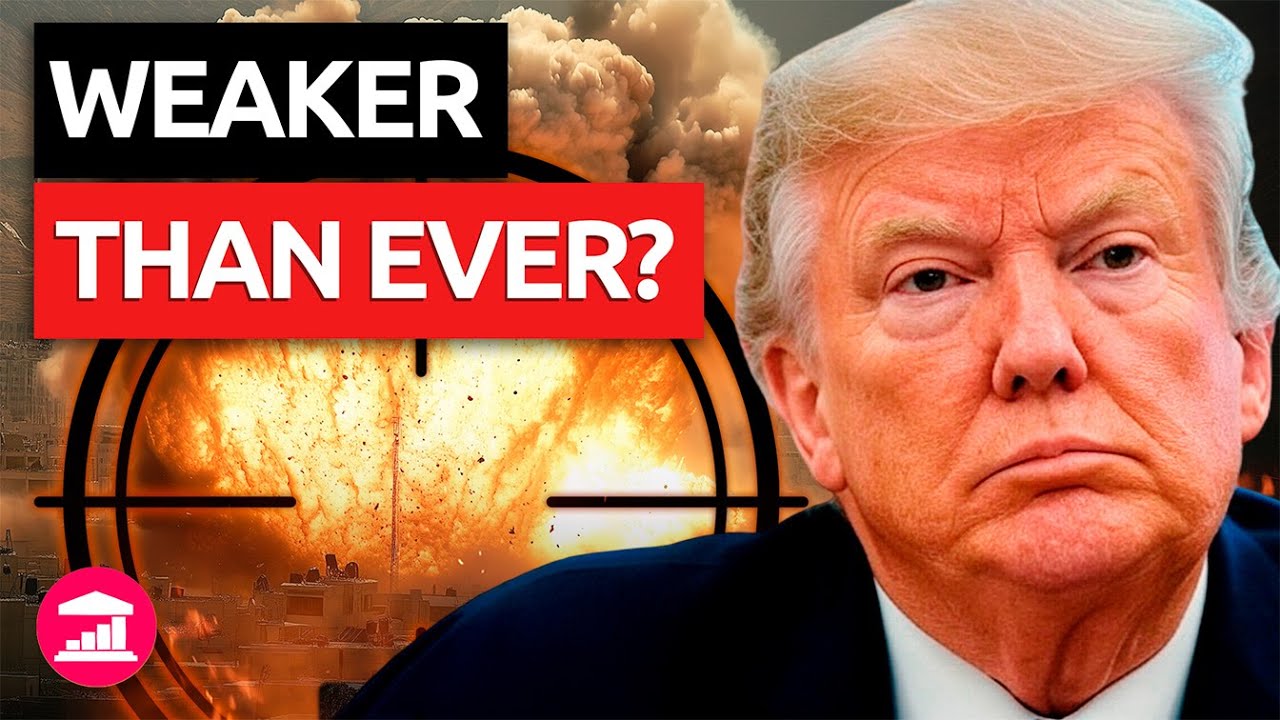
Iran's Ayatollahs the next to Fall?
Following the collapse of the Assad regime in Syria and the ascent of Hay’at Tahrir al-Sham (HTS) to power, questions are emerging about the broader regional impact of this seismic shift. One of the most debated scenarios is whether Iran—long an influential player in Syria—could soon face its own regime-shaking upheaval. Could the Islamic Republic’s Ayatollah be next in line to lose his grip on power?Iran’s Deep Involvement in SyriaIran has been a steadfast supporter of the former Assad government, providing military advisors, financing, and strategic counsel. For years, Iranian-backed militias played a critical role in propping up the Syrian regime against a multitude of opposition forces. With Assad’s fall, Tehran finds itself facing a new power structure in Damascus—one led by a group previously hostile to both the regime and its foreign backers.Reduced Regional InfluenceThe loss of Assad may weaken Iran’s leverage in the Levant, limiting its ability to exert pressure on neighboring countries. A more extremist government in Damascus could seek to push out or marginalize Iranian influence to consolidate its own standing.Strategic SetbackIran’s “Shia Crescent” strategy, which sought to create a corridor of allied governments stretching from Tehran to the Mediterranean, appears severely compromised. This setback may embolden Iran’s adversaries at home and abroad, fueling the notion that Tehran’s regime could be similarly vulnerable.Domestic Pressures in IranEven before events in Syria escalated, Iran’s leadership faced growing internal discontent. Public frustration with economic hardships, alleged corruption, and strict social controls has been an undercurrent for years, occasionally erupting into protests.Economic ChallengesInternational sanctions have strained Iran’s economy. Unemployment and inflation add to widespread dissatisfaction, weakening the regime’s domestic legitimacy.Protest MovementsPeriodic demonstrations, sometimes met with harsh crackdowns, reveal a restive population demanding reforms. Younger Iranians, especially urban and educated demographics, often use social media to organize protests and call for greater freedoms.Leadership QuestionsAyatollah Ali Khamenei’s advanced age has sparked debates about succession. Hardline factions and moderate reformists remain divided, raising the possibility of political instability if the supreme leader’s authority wavers.Could HTS’s Victory Inspire Iranian Opposition?The question many observers are asking: if a once-fringe, hardline group like HTS can topple a long-entrenched regime in Syria, might Iran’s leadership be more vulnerable than it appears?Symbolic ResonanceZhe collapse of Assad—a key ally—damages Tehran’s image of regional ascendancy. Opposition groups in Iran may see HTS’s triumph as a sign that even the most entrenched regimes can crumble under the right conditions.Geopolitical ShiftsRegional players opposed to Iran’s influence may feel emboldened and offer covert support to Iranian dissidents. A shift in Damascus could reduce Tehran’s ability to move personnel, weapons, or resources across Syria, weakening its strategic depth.Counterarguments: Why Iran May Weather the StormDespite these challenges, it is far from certain that Iran’s leadership is on the brink. The Islamic Republic has shown resilience over four decades, surviving international sanctions, internal protests, and regional conflicts.Security ApparatusIran’s Revolutionary Guard Corps (IRGC) remains a potent force, adept at suppressing unrest. A widespread intelligence network monitors opposition activities, often preventing them from gaining traction.Ideological CohesionMany Iranians still identify with the Islamic Republic’s revolutionary ideals. The regime’s ability to rally nationalist sentiment, especially in times of perceived foreign threats, should not be underestimated.Lack of a Unified OppositionMultiple opposition groups inside and outside Iran remain fractured, lacking a coherent leadership to mount a credible challenge. HTS’s ascension in Syria may not easily translate into a similar movement within Iran.Conclusion: A Cautious OutlookWhile the unexpected rise of HTS in Syria has undoubtedly rattled long-standing alliances, it is premature to conclude that Iran’s Ayatollah is next in line to lose power. Tehran’s regime, though facing economic challenges and public dissent, still possesses formidable tools of control and a legacy of resilience.Yet the region’s shifting geopolitics, coupled with growing discontent at home, suggests that Iran’s leadership must navigate increasingly turbulent waters. If the aftermath of Syria’s transformation continues to erode Tehran’s regional standing, domestic opposition could be emboldened—setting the stage for potential change. Whether that will translate into a full-scale power shift remains uncertain, but the seeds of doubt are undeniably taking root.
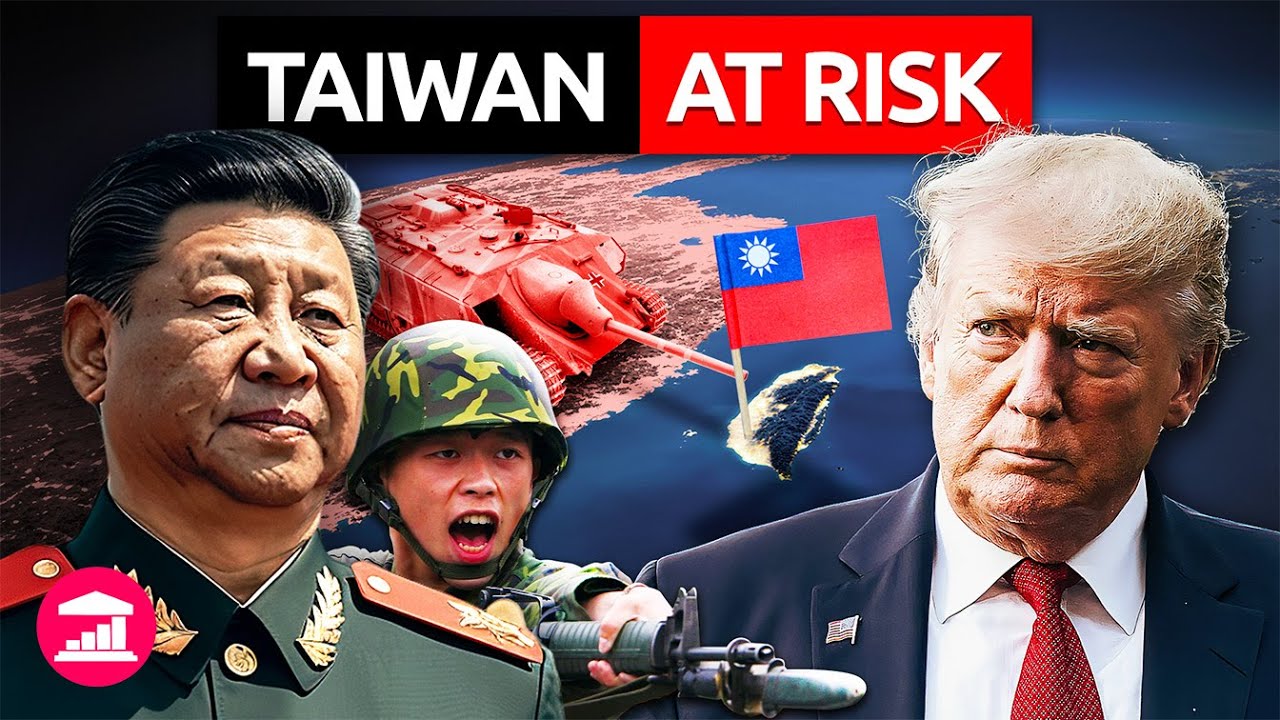
China, Trump, and the power of war?
As tensions in the Taiwan Strait continue to simmer, foreign policy experts are exploring a hypothetical scenario: If China were to launch a military attack on Taiwan, would a newly re-elected President Donald Trump intervene with the full might of the U.S. armed forces to defend the island? This question underscores the complex interplay of regional alliances, global power dynamics, and the unpredictability of American politics. Setting the Stage: China’s Military AmbitionsHistorical Context:China regards Taiwan as a breakaway province destined for reunification—by force if necessary.Modern Capabilities:The People’s Liberation Army (PLA) has accelerated its modernization program, including advancements in naval power, ballistic missiles, and air force technology.Regional Impact:An attack on Taiwan could destabilize not only East Asia but also the global economy, given Taiwan’s crucial role in semiconductor manufacturing and maritime trade routes. The Trump Factor: A New Administration’s Possible ResponseCampaign Promises and Rhetoric:Donald Trump has a record of strong nationalist rhetoric, emphasizing American military strength. If re-elected, he might lean into campaign pledges to protect U.S. interests abroad, including key allies and partners.Previous Policies on China:In his earlier administration, Trump took a hardline stance against Beijing on trade, technology, and security. This history suggests he could respond forcefully if China initiates open conflict.Alliance with Taiwan:Although the U.S. does not maintain formal diplomatic ties with Taipei, it is bound by the Taiwan Relations Act to provide defensive support. A President Trump might interpret this as a mandate to escalate, including mobilizing U.S. forces.Potential Military ScenariosNaval Blockade:The U.S. Navy could intervene by establishing a defensive perimeter around Taiwan, deterring Chinese amphibious assaults. Warship deployments to the region would send a clear signal of U.S. resolve, but also increase the risk of direct engagement.Air Superiority Campaign:If China’s air force attempted to dominate the skies over Taiwan, the U.S. Air Force and Navy’s carrier air wings could provide critical support to Taiwan’s defense. This scenario would significantly escalate hostilities, potentially leading to sustained aerial combat.Economic and Cyber Warfare:Rather than committing large numbers of troops, Trump could opt for widespread sanctions on China, coupled with cyber operations to disrupt PLA communication and logistics. This approach would be aggressive yet potentially less risky than a full-scale military confrontation.Risks and Global RamificationsEscalation to Major Conflict:Direct clashes between the U.S. and China could spiral rapidly, raising concerns about nuclear brinkmanship.Economic Fallout:Heightened tensions may lead to severe disruptions in global supply chains, especially regarding technology and semiconductor industries.International Alliances:A U.S. military response would likely draw in regional allies such as Japan, South Korea, and Australia, with NATO partners possibly offering political or limited logistical support.Diplomatic AlternativesNegotiated Settlements: Even in a crisis, there might be space for last-minute talks hosted by neutral countries or facilitated by international bodies like the United Nations. Multinational Coalitions: The U.S. might seek to build coalitions with allies in Europe and Asia to present a united front, pressuring Beijing to halt aggression.Conclusion: An Uncertain FutureShould China take the drastic step of attacking Taiwan, the question of American intervention under a potential new Trump administration looms large. Historical precedent—along with Trump’s combative stance on foreign policy—suggests a robust response could follow. Yet the costs, both human and economic, would be staggering for all sides involved.In this hypothetical scenario, much depends on Beijing’s calculations of risk versus reward, as well as Trump’s willingness to gamble on a major conflict to assert U.S. influence and uphold a promise to protect American allies. Ultimately, the future of Taiwan’s sovereignty could hinge on whether deterrence succeeds—or if the world’s two largest economies find themselves at the brink of war.
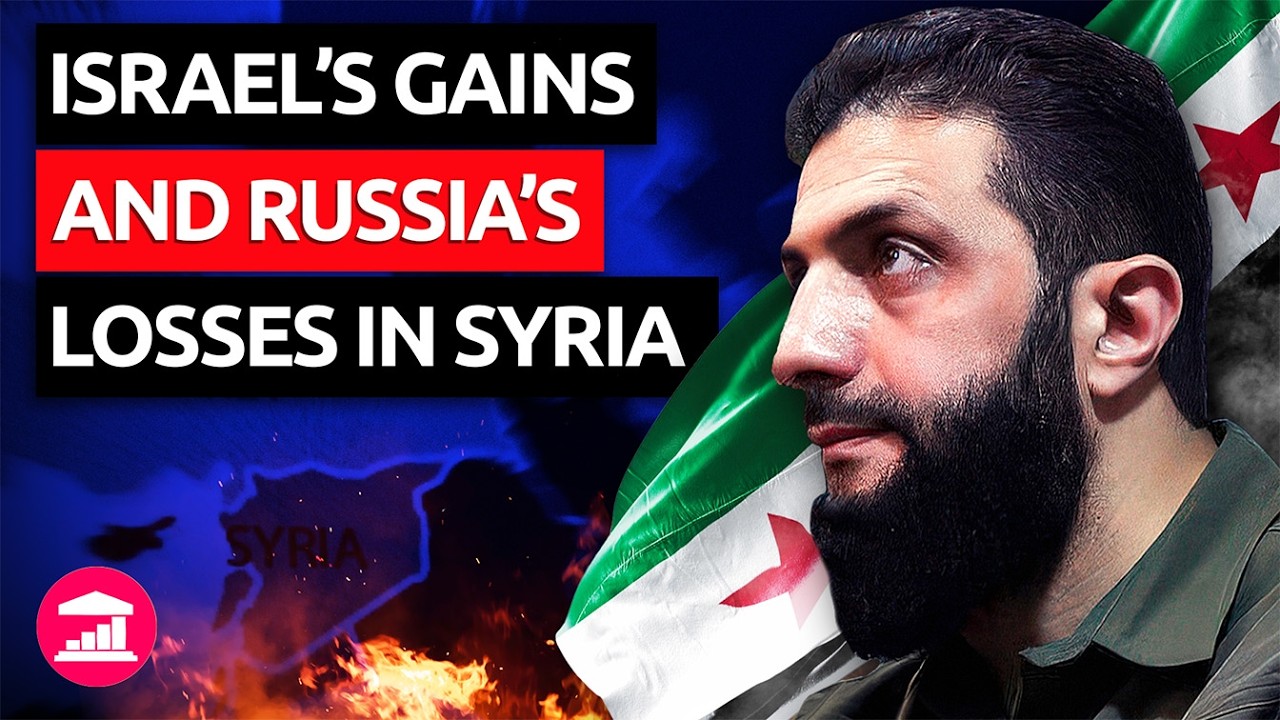
Who wins and who loses in Syria?
In a dramatic turning point for Syria, the Assad regime has collapsed, paving the way for Hay’at Tahrir al-Sham (HTS) to seize the reins of power. This profound shift comes after years of civil war, international intervention, and internal political struggles. While the fall of one government and the rise of another might briefly end large-scale hostilities in certain areas, the implications for Syrians—and regional players—are complex and far-reaching. Below, we examine who stands to benefit from HTS’s ascension and who may face serious setbacks in the aftermath.Potential Winners1) Hardline Islamist Groups and AffiliatesAs HTS consolidates its influence, other aligned Islamist factions may find opportunities to share in governing structures or expand their influence in regions of Syria. Local militias cooperating with HTS may receive political or financial rewards, as well as a certain degree of autonomy in the territories they help control.2) Foreign Backers of HTSCertain external supporters might see political or strategic advantages if their preferred groups are now in charge. These backers could influence the formation of new governmental institutions, policies, or trade agreements favorable to their interests.3) Some Local Communities Under HTS ControlIn areas where HTS had already established local governance—providing basic services and a semblance of stability—residents might see a continuation of order, albeit under strict regulations. While personal freedoms may be curbed, some communities might prefer an end to intense fighting over the chaos of ongoing armed conflict. Potential Losers4) Moderate Opposition GroupsNon-extremist factions that fought to topple the Assad regime could be sidelined, if not outright suppressed, by the new leadership. Political competition might be stifled, making it difficult for moderate voices to participate in post-conflict governance.5) Ethnic and Religious MinoritiesWith HTS widely considered a hardline faction, minority groups—such as Alawites, Christians, Kurds, and Druze—may face persecution or exclusion from the new power structure. Discriminatory policies could lead to displacement, especially in regions already experiencing sectarian tension.6) Civil Society and Human Rights AdvocatesNGOs, independent journalists, and activists critical of HTS’s ideology may be forced to operate clandestinely or face severe repercussions. Freedom of the press, speech, and assembly could be further curtailed, limiting any meaningful civic engagement.7) International Humanitarian EffortsForeign aid agencies may find it more difficult to operate under a leadership that has been labeled “extremist” by many nations. Bureaucratic hurdles, security risks, and ideological disputes may restrict the distribution of crucial humanitarian assistance to vulnerable populations.International DynamicsRegional Powers:Neighboring countries that once supported specific rebel factions might find their influence diminished if those groups lose ground under HTS rule. Conversely, regional actors that developed covert ties with HTS might gain a stronger foothold in Syria’s evolving political landscape.Global Powers:Western nations could face a dilemma: accept a de facto extremist-led government for the sake of stability, or maintain sanctions and diplomatic isolation. Rivalries between larger international players—such as the United States, Russia, and Iran—may shift as each decides how (or whether) to engage with HTS.Humanitarian Concerns:While HTS’s political agenda may bring an end to certain forms of internal conflict, Syria still faces severe humanitarian challenges. Millions are displaced, infrastructure is in ruins, and the economy remains fragile. Aid agencies worry that severely restrictive policies or ideological conditions set by the new authorities could hamper reconstruction and limit aid distribution, prolonging the suffering of ordinary Syrians.Looking AheadThe end of the Assad regime and the rise of HTS marks a new chapter in Syria’s ongoing struggle. For some, the new government provides a semblance of order after years of civil war. For others, it heralds tighter social controls, greater risk of persecution, and an uncertain future. How HTS manages governance, minority rights, and international relations will ultimately shape Syria’s recovery or further turmoil.As the global community watches from afar, Syrians remain on the front lines of this dramatic power shift—some hoping for a break from ceaseless conflict, others bracing for a new and possibly harsher form of authoritarian rule. Only time will tell if HTS can stabilize the country and address the nation’s myriad challenges, or if Syria’s years of turmoil will persist under a different banner.
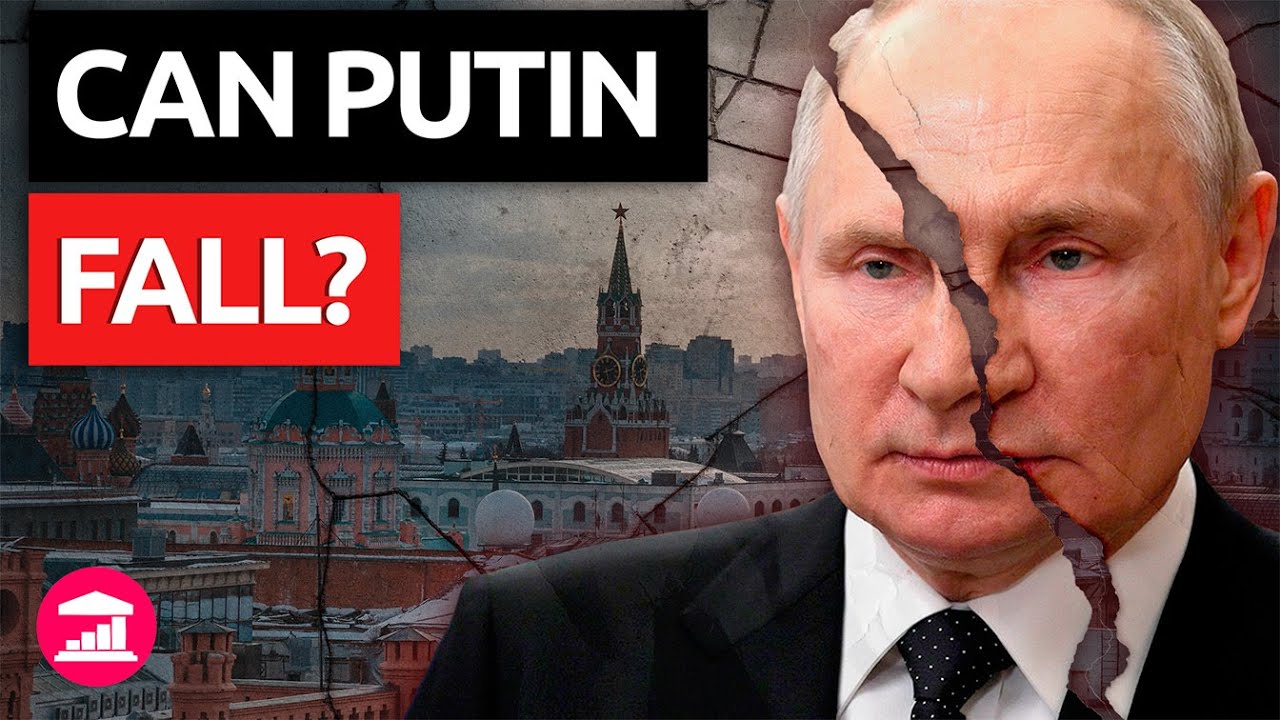
Russia: Is Putin's time nearly up?
The reign of Russian dictator and war criminal Vladimir Putin (72) has spanned more than two decades, characterized by tight control over domestic politics, a formidable security apparatus, and accusations of organized corruption within ruling circles. As 2025 approaches, questions arise about the longevity of this power structure: could Putin and what some call his “criminal power apparatus” be at risk of losing power?The Current Political Landscape - Constitutional Amendments:In 2020, Russia’s constitution was amended, allowing Putin to seek additional terms. Critics argue that this move secured his grip on power and could enable him to remain in office until 2036. However, these legal changes have not entirely quelled public discontent, particularly among younger Russians eager for political and economic reforms.Tightening RepressionOver the past few years, opposition figures and independent journalists have faced increasing pressure—from arrests to legal restrictions on free speech. Detractors say this crackdown reflects concern within the Kremlin about a growing undercurrent of dissatisfaction, including fears of large-scale protests.Economic StrainsWestern sanctions, imposed in response to Russia’s foreign policy choices and alleged human rights abuses, continue to bite. A struggling economy may weaken the social contract between the ruling elite and the broader population, especially as living standards fail to improve.Possible Pathways to a Loss of Power - Popular Protest and Grassroots Movements:Dissatisfaction with corruption, economic stagnation, and political repression could spark large-scale demonstrations. If protest movements gain momentum—similar to events in other post-Soviet states—the Kremlin may struggle to maintain total control.Elite FragmentationPutin’s inner circle comprises powerful oligarchs, security officials, and political loyalists. Internal power struggles, sparked by competing economic interests or frustration with ongoing sanctions, could undermine the president’s position. In a worst-case scenario for the Kremlin, factions within the elite might unite behind an alternative leader, potentially orchestrating a smooth transition or even a coup.Geopolitical FalloutRussia’s international standing has diminished in some circles due to conflicts like the war in Ukraine. Should military or diplomatic ventures fail, or sanctions intensify, public opinion could turn sharply against the current regime, eroding the facade of strength Putin has built.Obstacles to Regime Change - Consolidated Power Structures:Putin’s administration has effectively centralized power, with loyalists overseeing defense, security, and major financial institutions. This entrenched network makes any direct challenge difficult, as potential opponents often lack the institutional leverage to mount a serious campaign for change.State-Run MediaRussian state media wields considerable influence, shaping public perception by promoting official narratives and downplaying dissent. A significant share of the population remains loyal, or at least resigned, to the status quo—partly due to selective media coverage.Security ApparatusInstruments like the Federal Security Service (FSB) and the National Guard have shown readiness to suppress protests and harass opposition leaders. Their loyalty to the Kremlin remains a key pillar preventing large-scale destabilization.Scenarios for 2025 and Beyond - Gradual Transition:Putin, possibly eyeing his legacy, might orchestrate a carefully managed succession. A handpicked successor could maintain most of the existing power structures, mitigating radical upheaval. This scenario protects the interests of the political elite while granting nominal reforms to placate an increasingly restless public.Sudden UpheavalA culmination of economic woes, elite rivalries, and public unrest could trigger a rapid collapse of the regime. Though still less likely given Russia’s robust security institutions, the potential for sudden change cannot be discounted.Maintaining the Status QuoDespite the speculation, Putin’s leadership might endure if economic conditions stabilize or if repression remains effective. Continued centralization of power and control over media channels could solidify the Kremlin’s dominance well past 2025.ConclusionWhile the idea of Vladimir Putin and his so-called “criminal power apparatus” losing control in 2025 makes for a compelling debate, multiple factors will influence the outcome—ranging from grassroots discontent to elite power struggles and geopolitical pressures. Despite growing dissatisfaction and economic challenges, the Kremlin still commands significant tools of control. Whether these tools will suffice in the face of mounting pressures remains one of the most important questions for Russia’s future.As 2025 nears, Russia’s political trajectory stands at a crossroads. The prospect of major change is neither guaranteed nor impossible. Ultimately, the stability of Putin’s reign will depend on how effectively he navigates the economic, social, and international pressures that continue to shape Russia’s destiny.
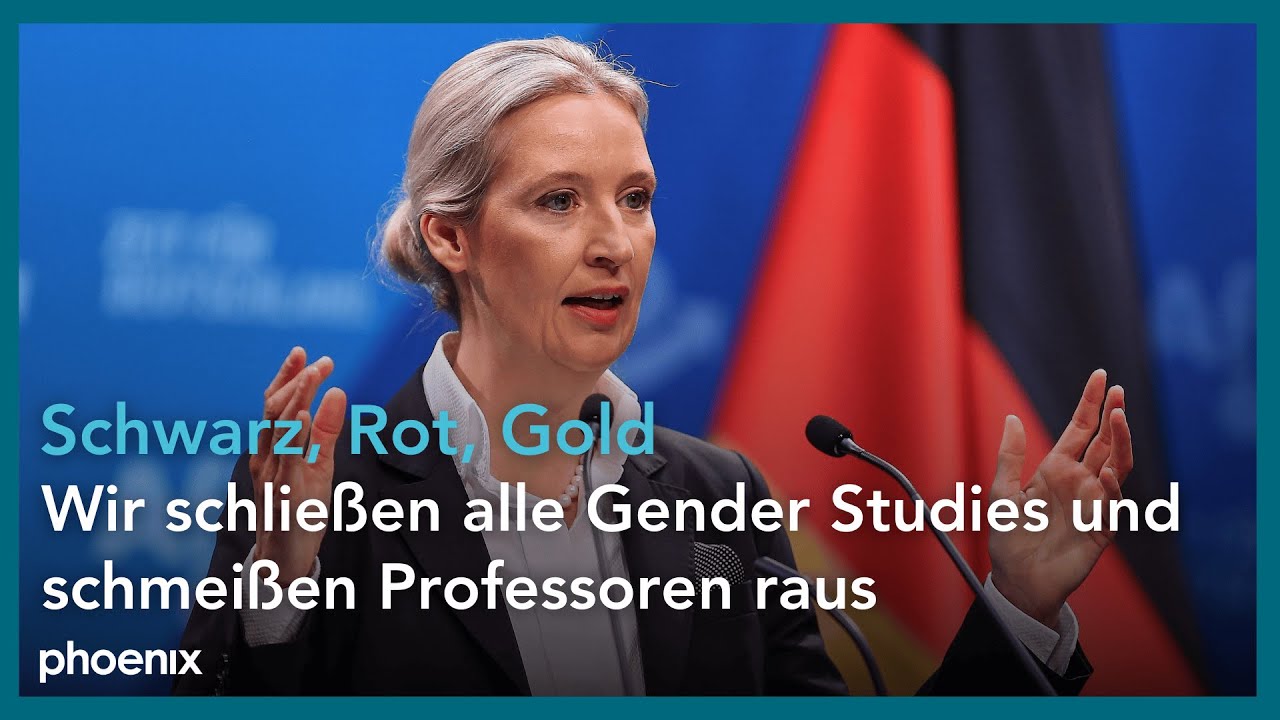
Alice Weidel: AfD Chancellor Candidate 2025
At the party conference in Riesa (Saxony), AfD politician Alice Weidel (45) was nominated by her party as the chancellor candidate for the federal election on 23 February 2025 and enjoys great popularity among some of the voters in the Federal Republic of Germany. Within the party, she represents a conservative and economically liberal wing that has gained additional influence in recent months as the AfD's poll numbers have risen.Current surveys show that the AfD (Alternative for Germany) has been able to significantly expand its presence in some German states and can continue to do so. As of 11 January 2025, the party stands at 22 per cent – which would leave the CDU/CSU with only an eight per cent lead. In this, the chancellor candidate Alice Weidel benefits from her rhetorical strength and her clear positioning on migration, the economy and, in particular, EU policy. However, the question remains whether Weidel has a realistic chance of becoming chancellor.To become Chancellor, Weidel and the AfD would need either an absolute majority in the Bundestag or coalition partners. So far, the other parties in Germany categorically rule out working with the AfD. However, should the political system shift and the AfD continue to gain influence in the future, Weidel, as the leading candidate, could well find herself in a position to form a government – similar to the one currently held by the FPÖ (Freedom Party of Austria) in Austria with Herbert Kickl.The coming months and years will show whether Weidel's popularity can grow beyond certain voter groups and whether she will remain a long-term figurehead within the AfD. Meanwhile, the newly-elected chancellor candidate Alice Weidel attacked the CDU in her first speech and proclaimed a duel between the AfD and the CDU in the federal election. Weidel referred to a recent INSA poll: the CDU is at 30 per cent, while the AfD is climbing to 22 per cent – its highest level in a year. Only eight points now separate the parties.

Hungary: China's CATL battery factory
China’s Contemporary Amperex Technology Co. Limited (CATL), one of the world’s leading battery manufacturers, is making significant progress on its highly anticipated battery production facility in Hungary. With an investment of several billion euros, the new factory aims to meet the growing demand for electric vehicle (EV) batteries across Europe and further solidify the region’s push toward sustainable mobility.A Strategic Location:The factory is situated in Debrecen, eastern Hungary, a location carefully chosen for its advantageous infrastructure, skilled workforce, and proximity to major European automotive hubs such as Germany, Austria, and the Czech Republic. Debrecen’s well-developed logistics network enables CATL to efficiently supply batteries to some of the world’s top carmakers, many of which are currently expanding their EV lineups to comply with the EU’s stricter emissions targets.Boosting Local Economy and Workforce:Hungarian officials have enthusiastically welcomed CATL’s presence, citing economic growth and job creation as key benefits. Thousands of direct and indirect jobs are expected to arise from the factory’s construction and eventual full-scale operation. Local universities and technical schools have already initiated programs to train and upskill workers, fostering a long-term partnership between CATL and the Hungarian education sector.Technological and Environmental Aspects:CATL’s Hungarian plant is designed to showcase cutting-edge battery technology, featuring advanced research and development capabilities. The company has emphasized its commitment to high efficiency and environmental standards—an essential factor as Europe’s automotive industry strives for greener solutions. Nonetheless, environmental groups in Hungary and neighboring countries have expressed concerns about potential impacts on local ecosystems, water consumption, and waste management. CATL has responded by pledging transparent environmental practices and adherence to EU regulations.A Key Piece in Europe’s EV Puzzle:As European governments ramp up policies to combat climate change, automotive manufacturers rely heavily on stable battery supplies for their electrified models. CATL’s new factory in Hungary stands to become a linchpin in the region’s EV supply chain, reducing reliance on Asian imports and contributing to a more robust, localized production infrastructure. Industry analysts believe the plant will not only bolster Europe’s electric vehicle market but also stimulate competition, driving innovation and potentially lowering battery costs.Whether viewed from the standpoint of industrial expansion, technological advancement, or environmental oversight, CATL’s battery factory in Hungary represents a monumental development in Europe’s journey toward a more sustainable transportation sector. The coming years will reveal just how transformative this Chinese-led investment will be for Hungary, the European automotive industry, and the broader global push for green mobility.
Meta's announcements and digital services?
Recent announcements by Meta, the technology conglomerate formerly known as Facebook, are raising questions about compliance with new and upcoming European digital regulations. In particular, critics argue that Meta’s proposed changes—ranging from expanded encryption options to the way it handles user data—could conflict with the European Union’s (EU) Digital Services Act (DSA).The Digital Services Act is part of the EU’s broader effort to modernize internet governance, alongside the Digital Markets Act (DMA) and other legislation.The DSA aims to:- Increase Transparency: Large online platforms must disclose how their algorithms rank content and ads.- Enhance Accountability: Platforms must tackle illegal or harmful content promptly, and offer clear mechanisms for users to report it.- Protect User Rights: Users should be able to appeal content takedowns and have better insight into how and why posts are removed or demoted.These rules place heightened responsibilities on big tech companies—those classified as “very large online platforms” with tens of millions of European users. Meta’s Recent Announcements:Over the past few months, Meta has shared several updates about its business strategy and platform operations, including:- Increased End-to-End Encryption: Meta plans to make messaging on Facebook Messenger, Instagram, and WhatsApp more robustly encrypted.- Data Collection and Personalization: Meta continues to prioritize data-driven ad targeting, which remains a central component of its revenue model.- Content Moderation Tools: The company has signaled new automated detection systems to handle harmful content.At first glance, these moves might appear aligned with a more privacy-focused approach. However, some experts contend that the heightened encryption and ongoing data collection practices might not fully align with the EU’s expectations for transparency, oversight, and user empowerment.Potential Areas of ConflictAlgorithmic Transparency:The DSA requires large platforms to provide clearer information on how content is promoted or suppressed. Critics say Meta’s push toward deeper encryption and minimal disclosure about proprietary ranking algorithms may hinder third-party audits.User Rights and Appeals:With increased automation in content moderation, users must have meaningful ways to appeal decisions. Observers note that Meta’s announcements have not specified whether appeals processes will be enhanced alongside new AI-driven moderation systems.Data Governance and Consent:Meta’s continued reliance on personalized advertising could come under scrutiny if user data is processed in ways that the DSA considers insufficiently transparent. The EU seeks stronger user consent mechanisms and clearer data usage disclosures, which might push Meta to adjust its business model in Europe.Regulatory and Public ReactionsEU Officials:While no formal statement has condemned Meta’s announcements outright, policymakers in Brussels remind all major platforms that “partial compliance” will not be enough under the DSA. Fines for non-compliance can reach up to 6% of a company’s global annual revenue.Digital Rights Advocates:Several advocacy groups argue that fully end-to-end-encrypted messaging, while privacy-enhancing, should not exempt a platform from accountability measures. They urge Meta to release more details about how it will reconcile encryption with obligations to remove illegal content.Meta’s Response:Thus far, Meta has reiterated its commitment to meeting the “highest regulatory standards” in Europe, pointing to ongoing investments in safety, content moderation, and user privacy. However, no specific roadmap for DSA compliance has been published.What Lies Ahead:As the DSA comes fully into force, large platforms like Meta will be closely monitored for breaches. A key question is whether Meta can strike a balance between encryption, monetization via targeted ads, and the new transparency and accountability requirements. Failure to do so could result in hefty fines or even a partial suspension of services within the EU.Ultimately, the coming months will reveal how Meta’s strategies align—or clash—with Europe’s digital vision. If Meta can demonstrate robust compliance and meaningful user protections, it may preserve its market stronghold. If not, a confrontation with Brussels seems inevitable. Either way, the outcome will have sweeping implications for how major tech firms operate under a stricter European regulatory regime.
Donald J. Trump: America is back
January 20, 2025, Donald Trump was sworn in as the 47th President of the United States. His supporters anticipate that his return to office (MAGA - Make America great again) will further boost the economy through tax breaks and investments in domestic industries. Additionally, Trump has pledged to bolster national security, particularly by strengthening border controls.Advocates of his “America First” agenda believe it will once again solidify the United States’ global influence and pave the way for favorable trade deals. Many Americans and international observers are eager to see how Trump will implement his promises in the coming months and years.
Is this Europe's plan for China?
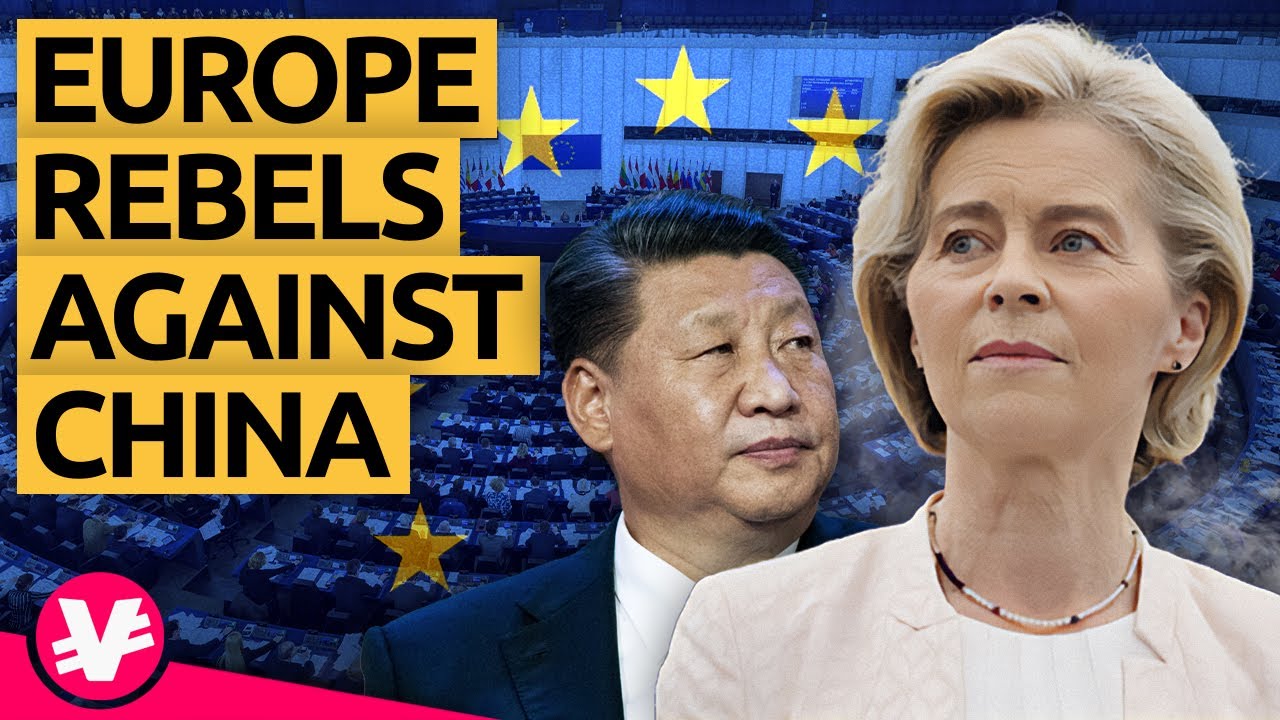
Relations between Europe and China have changed rapidly in recent years. While China, as the world's second largest economy, has become an indispensable trading partner, concerns about dependencies, human rights issues and technological competitive conditions are also increasing. This raises the question for the European Union: how should it, as a union of states and an economic power, deal with China in the future?Economic opportunities and dependenciesChina is now the largest trading partner or at least one of the most important sales markets for numerous European countries. European export companies, particularly in the automotive and mechanical engineering sectors, are benefiting from the rapid development in the Far East. At the same time, there is a growing awareness that over-reliance on Chinese supply chains – for example, for the procurement of critical raw materials or important electronic components – entails economic and geopolitical risks.The European Union therefore wants to diversify its supply chains and markets. Part of this strategy lies in the targeted promotion of European technology and innovation projects, for example through the ‘European Chips Act’ or the advancement of its own battery cell and semiconductor production. The aim is to become a global engine of innovation and to reduce the one-sided dependence on imports from China.Value-oriented foreign policyEurope sees itself not only as an economic union, but also as a community of values that upholds the protection of human rights. In its cooperation with China, however, these principles regularly collide with Beijing's ideas of sovereignty and governance. For example, issues such as the situation in Xinjiang, the situation in Hong Kong or questions about freedom of expression and freedom of the press cause tensions.This leads to a balancing act: on the one hand, Europe wants to promote trade and investment with China, but on the other hand, it feels it has a duty to criticise human rights violations. At the diplomatic level, this means a combination of dialogue and, where necessary, economic or political pressure. The EU and individual member states are trying to send clear signals by imposing targeted sanctions or suspending certain agreements.Technology and competitionEurope also faces the challenge of safeguarding its technological sovereignty without losing access to the lucrative Chinese market. Whether it's 5G expansion, artificial intelligence or high-speed trains, China has shifted the innovation focus in many key technologies and is increasingly penetrating areas in which European companies have so far been leading. Conversely, European companies in sensitive sectors are reconsidering their cooperation with Chinese partners.Conclusion: constructively shaping mutual dependenceIn view of global challenges such as climate change or pandemics, pragmatic cooperation between Europe and China is unavoidable. The EU should pursue a multi-pronged approach: it must strengthen its economic and technological independence, represent clear values and assert its interests with confidence. At the same time, cooperation with Beijing is required to combat common problems, for example in climate protection.The key task for Europe is to find a way to promote trade and innovation without sacrificing important values and standards. The motto is: engagement where it makes sense for both sides – but also drawing clear boundaries when crucial principles are at stake.
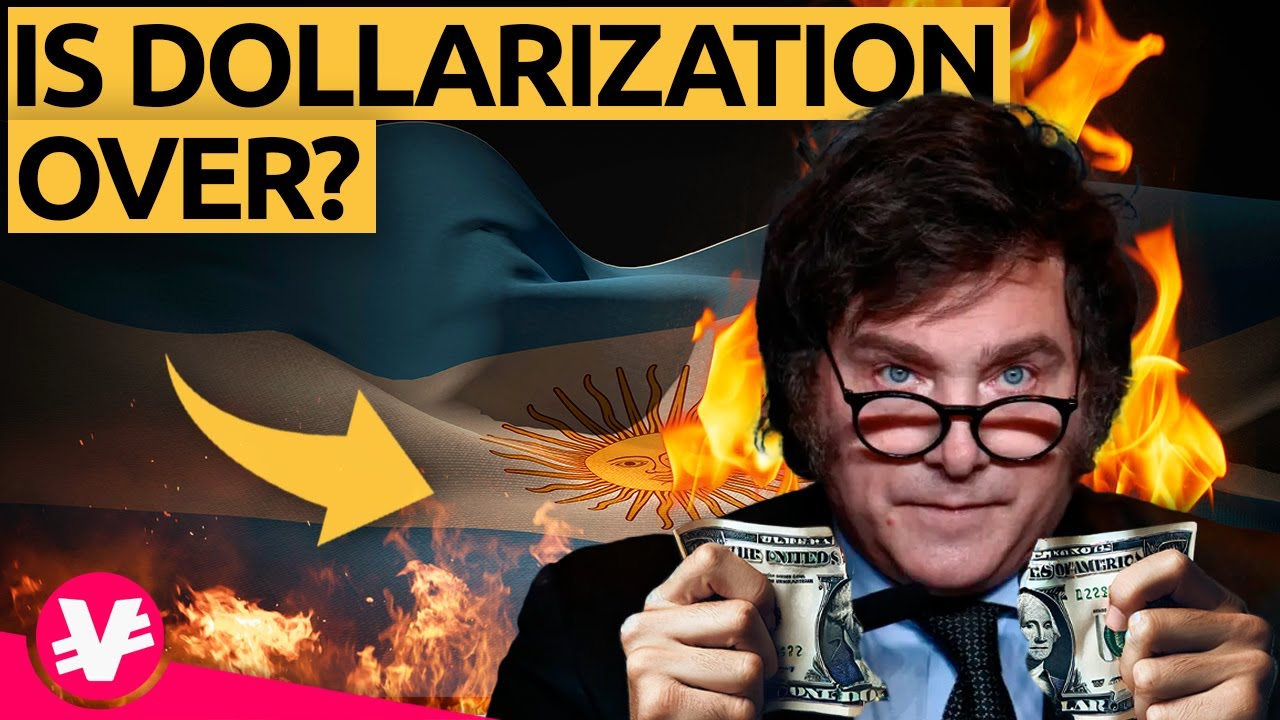
Argentina, Milei and the US dollar?
Argentine economist and politician Javier Milei garnered significant attention with his proposal to dollarise Argentina’s economy. Renowned for his outspoken views, Milei argues that switching to the US dollar would tame the country’s runaway inflation and stabilise the monetary system. Yet, despite widespread debate, this radical measure has not been implemented. What factors are preventing a swift transition to the greenback?Complex Economic RealitiesOne of the chief barriers to immediate dollarisation is Argentina’s chronic lack of sufficient foreign reserves. Converting an entire national currency into US dollars requires a robust stockpile of hard currency to back deposits and transactions. Argentina’s reserves, however, have been under persistent pressure due to debt obligations, trade imbalances, and capital flight—hardly an ideal foundation for a large-scale monetary overhaul.Domestic Policy ConstraintsFurthermore, the proposal faces a host of domestic policy challenges. Any government considering dollarisation must align its fiscal policies with the new currency regime. This includes placing strict limits on deficit spending and overhauling public expenditure practices. Argentina’s entrenched budget deficits and reliance on monetary financing complicate these reforms considerably. Even if Milei could muster enough political support, balancing the budget and enacting austerity measures would likely spark domestic unrest.Institutional and Legal HurdlesThe Argentine Constitution does not explicitly prohibit the adoption of a foreign currency, yet the legal framework surrounding bank regulations, contracts, and state obligations complicates an abrupt switch. Existing debts, wages, and pensions—often denominated in pesos—would need to be recalculated. Moreover, securing approval from multiple layers of government, including Congress and provincial authorities, is no trivial task.IMF Concerns and International RelationsArgentina’s longstanding relationship with the International Monetary Fund further complicates attempts at dollarisation. The IMF, which has extended substantial loans to Argentina, tends to advocate for stable monetary frameworks but is often wary of extreme measures that might undermine the viability of sovereign financial systems. Any plan to scrap the peso would likely invite further scrutiny from international lenders and bondholders.The Road AheadWhile Javier Milei remains a vocal proponent of dollarisation, his vision must contend with Argentina’s political realities, economic constraints, and external obligations. Without broad consensus on budgetary discipline and robust foreign reserves, an abrupt adoption of the US dollar could prove disruptive. As a result, the push for dollarisation may be relegated to political rhetoric unless Argentina’s policymakers find the means and the will to enact deep structural changes.ConclusionFor now, Milei’s ambition has not materialised, serving instead as a flashpoint in Argentina’s ongoing economic debate. Whether the country will one day fully embrace dollarisation remains an open question—one hinging on both domestic consensus and international confidence in Argentina’s financial and institutional stability.

The Roman Empire and its downfall?
The fall of the Roman Empire has fascinated historians, political analysts, and history enthusiasts for centuries. Once an unparalleled power that stretched across much of Europe, North Africa, and the Middle East, Rome eventually succumbed to a complicated web of internal weaknesses and external pressures. But what factors most decisively contributed to its downfall?Overextension and Resource StrainOne prominent reason for the Empire’s decline lies in its vast territorial expanse. As the Empire expanded, maintaining military and administrative control over far-flung provinces became an immense challenge. Garrisoning remote frontiers and sustaining essential infrastructure, such as roads and aqueducts, placed enormous financial and logistical burdens on the imperial administration. Over time, these obligations led to heightened taxation and social unrest, eroding the Empire’s stability from within.Political Instability and Weak LeadershipAnother fundamental weakness was Rome’s inability to establish a consistent and resilient political structure. Frequent coups, civil wars, and assassinations destabilised the imperial government. Short-lived emperors were often more focused on consolidating power and eliminating rivals than enacting long-term reforms. This lack of continuity in governance engendered bureaucratic inefficiency and thwarted coherent policymaking, leaving Rome ill-prepared to address growing internal and external threats.Economic Decline and HyperinflationEconomic disruptions also played a pivotal role. As wars grew costlier, silver coinage was devalued repeatedly, leading to rampant inflation. Confidence in the currency eroded, triggering a cycle of price increases and diminishing trade. Many farmers abandoned their land, amplifying rural depopulation and further undermining agricultural productivity. Trade routes, once the arteries of Roman commerce, became perilous, stifling economic growth and rendering the state increasingly vulnerable.The Rise of External ThreatsSimultaneously, external forces took advantage of Rome’s weakening grip. Germanic tribes and other barbarian groups pressed against the Empire’s borders, sensing the growing fragility of Roman power. Although Rome had once managed to integrate or repel these incursions, mounting economic strain and military overextension hindered an effective response. Over time, repeated invasions culminated in the sacking of Rome by the Visigoths in 410 CE and the eventual deposition of the last Western Roman Emperor in 476 CE.Social and Cultural TransformationLastly, shifting social and cultural dynamics played a role. Traditional Roman values of civic duty and loyalty to the state gradually gave way to localised loyalties and a reliance on mercenary forces. The rise of Christianity, while not the sole cause of the Empire’s decline, reoriented cultural and political power away from older Roman institutions and towards the Church, reducing the emperors’ influence and the old civic order’s authority.Conclusion No single event or factor can wholly explain the collapse of the Roman Empire. Rather, it was the convergence of overextension, economic instability, political turmoil, and shifting social foundations that led to Rome’s ultimate disintegration. While debates on the precise causes continue, most historians agree that the empire’s downfall underscores the fragile balance between power, governance, and societal cohesion—an enduring lesson for any ambitious political system.
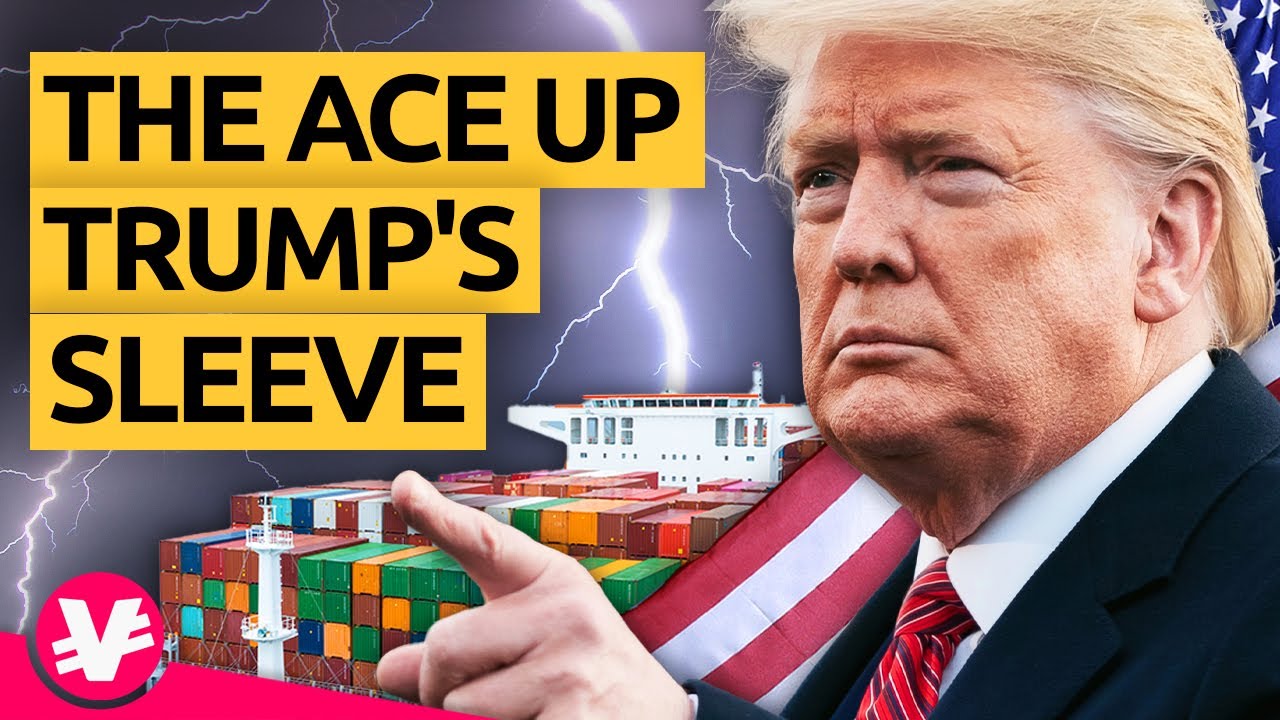
Trump needs to avoid debt Collapse
As Donald Trump commences his second tenure—this time as the 47th President of the United States—one of his administration’s most pressing challenges is preventing a potential debt collapse. The U.S. government’s outstanding liabilities have surged in recent years, raising concerns among economists, financial markets, and global partners alike. But why is it imperative for President Trump to avert such a crisis?Safeguarding Economic StabilityA default or debt crisis could trigger a chain reaction, undermining confidence in the U.S. financial system and sending shockwaves through global markets. The American dollar serves as the world’s primary reserve currency, underpinning countless international transactions. A significant disruption in U.S. debt repayments would thus erode trust in treasury bonds, widely regarded as one of the safest investment vehicles worldwide.Preserving Global StandingThe United States has long been viewed as a pillar of financial stability. Should Washington struggle to meet its debt obligations, both diplomatic and economic repercussions would be swift. Trade agreements might be thrown into disarray, with key allies reconsidering their long-term partnerships. Ensuring fiscal integrity is crucial if President Trump wishes to maintain America’s influence and credibility on the world stage.Protecting Domestic ProsperityA debt collapse would not merely affect international investors; it would have tangible consequences at home. Interest rates on consumer and business loans could spike, making mortgages, car payments, and credit more expensive for ordinary Americans. Additionally, a government scrambling to stabilise the budget might be forced to cut essential services or postpone vital infrastructure projects. President Trump’s electoral base, which seeks job growth and economic opportunity, would be disproportionately impacted by such austerity measures.Upholding Investor ConfidenceFinancial markets thrive on predictability. Even rumours of a potential default can destabilise share prices and unsettle bond markets, discouraging both domestic and foreign investors. President Trump’s administration aims to foster a business-friendly climate; allowing the national debt situation to spiral would stand at odds with this objective. Maintaining robust investor confidence is vital for job creation, entrepreneurship, and sustained economic expansion.ConclusionFor the 47th U.S. President, averting a debt collapse is about more than safeguarding government finances. It is about preserving America’s economic dynamism, retaining global leadership, and reassuring citizens that growth and stability remain priorities. A carefully managed fiscal strategy could prove decisive in cementing President Trump’s legacy as a steward of American prosperity.
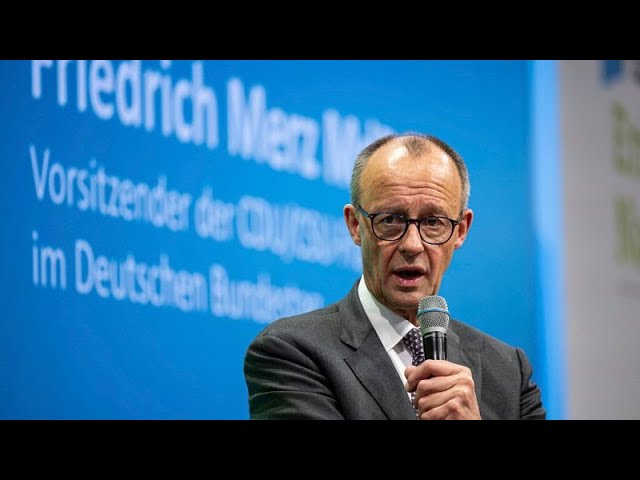
Germany: Migration reform package
The German CDU/CSU party has received a majority in the Bundestag for its demands for a drastic tightening of asylum policy. Parliament approved a five-point motion that, among other things, calls for permanent border controls, the rejection of those seeking protection and the detention of foreigners who have been ordered to leave the country.The German FDP and AfD parties (Alternative for Germany) had signalled their support for the motion, meaning that the SPD and the Greens, including Chancellor Olaf Scholz (SPD) and Robert Habeck (Greens), failed miserably to prevent a change in asylum policy in Germany. The shameful fear of the SPD and the Greens of a complete loss of power in the outgoing Bundestag was almost tangible.AfD Chancellor candidate Alice Weidel addressed the issue of migration in her speech and said that the current SPD and Green policies were deadly and affected the whole country. She accused the red-green coalition of organising demonstrations ‘at the expense of the victims’. Weidel also criticises the incomprehensible grin photo of the Greens at the demonstration in Berlin, on the occasion of a memorial service for the victims of the murders of Aschafenburg.Before the vote, the ‘still’ Chancellor Olaf Scholz (66, SPD), who after almost four years has completely failed with his policies in the Federal Republic of Germany, made a government statement in which he could do nothing more than praise his government's work, as always. This was followed by a battle of words between the head of government and the opposition! In his speech, Merz emphasised that the SPD and the Greens are also ‘becoming smaller and smaller’. Friedrich Merz said: ‘Now they have to accept that the right decision will be made without them, but on the merits of the case. A right decision is not wrong if the wrong people agree to it’.
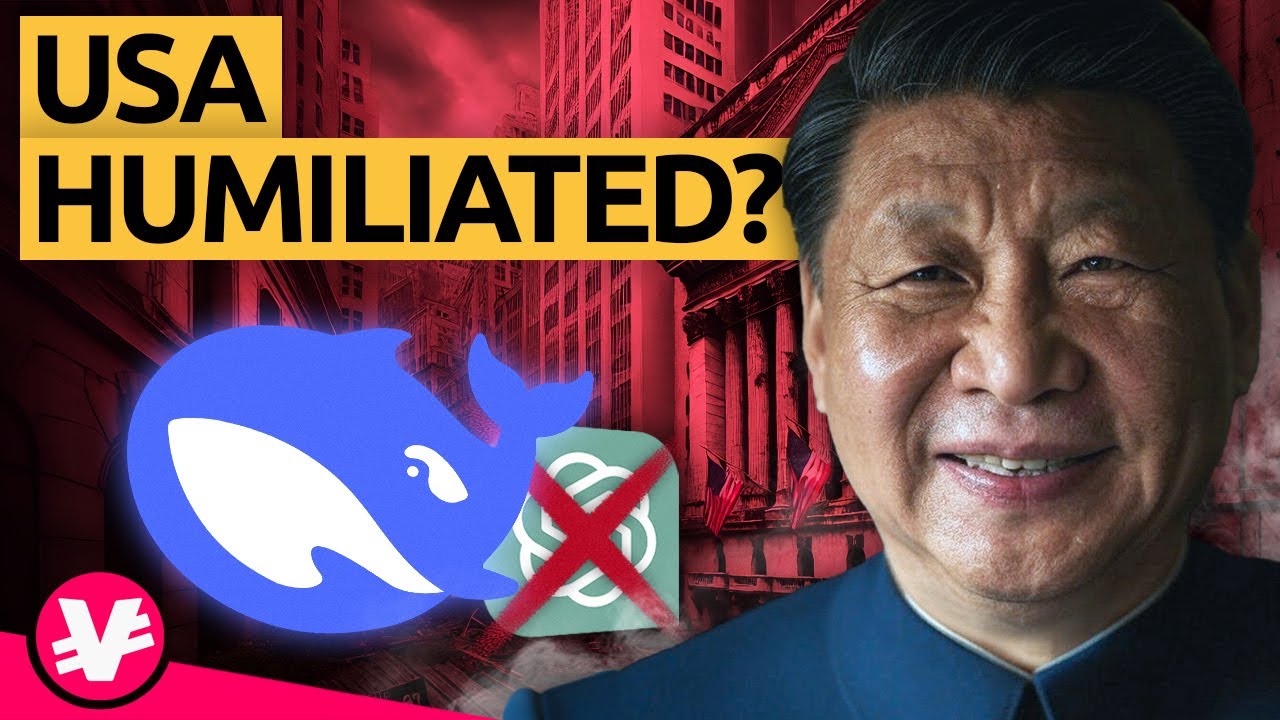
DeepSeek: The AI everyone is talking about...
DeepSeek is a new, highly developed artificial intelligence (AI) solution that is now available on the international market. Developed by an interdisciplinary team of computer scientists, data scientists and industry experts, the system promises comprehensive, in-depth data analysis in real time. Companies from a wide range of sectors – from financial services and healthcare to manufacturing – are watching DeepSeek's market entry with great interest.Revolutionary technology for big data:The ability to process and analyse large volumes of data accurately and productively is now considered a key factor for sustainable business success. This is precisely where DeepSeek comes in: with the help of deep learning algorithms, neural networks and highly optimised search routines, the system is able to quickly identify complex information relationships. This means that anomalies can be detected in real time, forecasts for market developments can be created and diagnoses can be supported in the medical field.A wide range of applications– Financial sector: Banks and insurance companies could use DeepSeek to assess risks more precisely, recognise fraud patterns more quickly and make automated trading decisions in fractions of a second.- Industry and logistics: By processing sensor data from production lines, sources of error can be identified early on and failures minimised. Logistics specialists benefit from predictive analytics to optimise supply chains and prevent bottlenecks in good time.- Medicine and research: DeepSeek provides support in evaluating medical images or lab results, for example to detect tumours early on or create personalised treatment proposals.- Marketing and e-commerce: Because the system recognises patterns in user behaviour, it can provide targeted product recommendations and customised advertising. At the same time, the effectiveness of campaigns can be analysed almost in real time.User-friendliness meets data protection:While complex AI solutions in the past often required highly specialised IT expertise, DeepSeek places a high value on user-friendliness. The system has an intuitive dashboard that can be customised and integrated into existing IT structures. The high standard of data protection is also particularly noteworthy: DeepSeek enables the implementation of strict access rights and anonymised data processing. This is of particular importance for European companies in view of the applicable data protection laws (GDPR).Opportunities and risks at a glance:Despite all the advantages, the discussion about AI applications like DeepSeek remains lively. Critics fear that the widespread use of AI systems could lead to job losses and replace human decision-making processes. However, the developers of DeepSeek emphasise that their solution is not intended to replace people, but rather to relieve them: ‘DeepSeek is designed to automate routine activities in order to open up strategic and creative tasks,’ says the development team.Outlook – new standards for data-driven innovation:Although DeepSeek has only been on the market for a short time, the first pilot projects suggest that the AI solution could set new standards not only in business but also in science and administration. Many companies are already waiting in the wings to integrate DeepSeek into their systems.How quickly and comprehensively the system ultimately catches on will also depend on its acceptance by the general public. What is certain, however, is that DeepSeek, with its high-performance technology and focus on user-friendly application, could be an important player in the next phase of digitisation – and thus pave the way for a new generation of artificial intelligence.

Europe, Germany and the end of the euro?
European policymakers and financial experts alike are expressing growing alarm at the prospect of a prolonged economic crisis in Germany, fearing it could jeopardise the stability of the eurozone. Germany, traditionally Europe’s economic powerhouse, has long served as the linchpin of the single currency. Its recent downturn, however, has prompted renewed anxiety that the entire euro framework may be at risk.Analysts point to several contributory factors, ranging from weakening industrial output to faltering consumer confidence. Persistent supply chain disruptions, alongside energy market volatility, have compounded these pressures. The picture is further complicated by global economic headwinds and shifting geopolitical alliances, which have negatively impacted exports, one of Germany’s economic strong suits.“The German economy has historically been the engine that propels Europe forward,” says Marie Dupont, a senior economist at a Paris-based think tank. “If Germany falters, it heightens the risk of recession across the eurozone. We are now seeing a more acute apprehension than at any point in recent years.”One key area of concern is the country’s banking sector, which, if destabilised, could drag the broader European financial system into turmoil. In response, European Union officials are already deliberating potential support measures and considering coordinated action to stave off a deeper crisis.Critics, however, point to what they regard as complacency in Berlin. Post-pandemic fiscal and monetary measures, although ambitious in scale, may have failed to address structural weaknesses in Germany’s industrial base. Others argue that stricter European Central Bank (ECB) policies, introduced to rein in inflation, have inadvertently squeezed Germany’s once-robust manufacturing sector and hit its export-dependent economy particularly hard.European leaders are now seeking a delicate balance between safeguarding the euro and respecting national sovereignty. Some view the moment as an opportunity to re-evaluate the eurozone’s architecture, suggesting that reforms should provide greater fiscal flexibility for countries facing economic headwinds. Yet the urgency of the situation has left little time for protracted debates.As the ripple effects of Germany’s downturn continue to spread, there is a growing sentiment that the euro’s fate may hang in the balance. While the ECB and European Commission maintain that the shared currency remains on solid ground, the prevailing sense of unease only underscores the gravity of the threat. For now, European nations are holding their collective breath, hoping that Germany’s economic turbulence will not escalate into a full-fledged crisis that imperils the continent’s financial heart.

Stargate project, Trump and the AI war...
In a dramatic return to the global political stage, former President Donald J. Trump, as the current 47th President of the United States of America, has unveiled his latest initiative, the so-called ‘Stargate Project,’ in a bid to cement the United States’ dominance in artificial intelligence and outpace China’s meteoric rise in the field. The newly announced programme, cloaked in patriotic rhetoric and ambitious targets, is already stirring intense debate over the future of technological competition between the world’s two largest economies.According to preliminary statements from Trump’s team, the Stargate Project will consolidate the efforts of leading American tech conglomerates, defence contractors, and research universities under a centralised framework. The former president, who has long championed American exceptionalism, claims this approach will provide the United States with a decisive advantage, enabling rapid breakthroughs in cutting-edge AI applications ranging from military strategy to commercial innovation.“America must remain the global leader in technology—no ifs, no buts,” Trump declared at a recent press conference. “China has been trying to surpass us in AI, but with this new project, we will make sure the future remains ours.”Details regarding funding and governance remain scarce, but early indications suggest the initiative will rely heavily on public-private partnerships, tax incentives for research and development, and collaboration with high-profile venture capital firms. Skeptics, however, warn that the endeavour could fan the flames of an increasingly militarised AI race, raising ethical concerns about surveillance, automation of warfare, and data privacy. Critics also question whether the initiative can deliver on its lofty promises, especially in the face of existing economic and geopolitical pressures.Yet for its supporters, the Stargate Project serves as a rallying cry for renewed American leadership and an antidote to worries over China’s technological ascendancy. Proponents argue that accelerating AI research is paramount if the United States wishes to preserve not just military supremacy, but also the economic and cultural influence that has typified its global role for decades.Whether this bold project will succeed—or if it will devolve into a symbolic gesture—remains to be seen. What is certain, however, is that the Stargate Project has already reignited debate about how best to safeguard America’s strategic future and maintain the balance of power in the fast-evolving arena of artificial intelligence.
Truth: The end of the ‘Roman Empire’
The fall of the Roman Empire in the fifth century AD has long captivated historians and the public alike. For centuries, scholars have debated the precise causes of the Empire’s decline, offering myriad explanations—ranging from political corruption and economic instability to moral degeneration and barbarian invasions. Yet despite the passage of time and the wealth of research available, there remains no single, universally accepted answer to the question: why did the Roman Empire truly collapse?A central factor often cited is political fragmentation. As the Empire grew too vast to govern effectively from one centre, Emperor Diocletian introduced the Tetrarchy—a system dividing the realm into eastern and western halves. While initially intended to provide administrative efficiency, this division ultimately paved the way for competing centres of power and weakened the unity that had long defined Roman rule. Frequent changes of leadership and civil wars further sapped the state’s coherence, undermining confidence in the imperial regime.Economics played an equally crucial role. Burdened by expensive military campaigns to protect ever-extending frontiers, the Empire resorted to debasing its currency, provoking rampant inflation and eroding public trust. The resulting fiscal strains fuelled social unrest, as high taxes weighed heavily upon small farmers and urban dwellers alike. Coupled with declining trade routes and resource depletion, these pressures contributed to a persistent sense of crisis.Compounding these challenges was the growing threat from beyond Rome’s borders. Germanic tribes such as the Visigoths, Vandals, and Ostrogoths gradually eroded the Western Empire’s defensive capabilities. While earlier Roman armies proved formidable, internal discord had dulled their edge, allowing external forces to breach once-impenetrable frontiers.Modern historians emphasise that the Empire did not fall solely because of barbarian invasions, moral decay, or fiscal collapse; instead, its downfall was the outcome of a confluence of factors, each interacting with the other. The story of Rome’s fall thus serves as a stark reminder that even the mightiest of civilisations can succumb to the inexorable weight of political, economic, and social upheaval.