
Last videos

Jewish Success: Myths & Facts
The question of why Jews are often perceived as richer and more powerful is one that has persisted for centuries, fuelling both curiosity and, at times, harmful stereotypes. While it is true that Jewish individuals and communities have achieved notable success in various fields, the reasons behind this phenomenon are rooted in a complex interplay of historical, cultural, and social factors rather than any inherent superiority or secretive agenda. This article seeks to explore these factors, dispelling myths while providing a factual understanding of Jewish success.Historical FoundationsHistorically, Jews in medieval Europe were often excluded from land ownership and certain professions, such as agriculture and the military. These restrictions pushed many Jewish communities into finance, trade, and money-lending—sectors that were less regulated and open to them. Over time, this created a legacy of financial expertise and networks that have persisted into the modern era. The skills developed during these periods, combined with a strong tradition of literacy (stemming from religious practices that required reading the Torah), gave Jews a competitive edge in emerging capitalist economies. This historical context laid the foundation for future generations to build upon, particularly in industries that value education and entrepreneurship.The Role of EducationEducation is another critical factor. Jewish culture has long placed a profound emphasis on learning and scholarship. From an early age, Jewish children are encouraged to pursue knowledge, not only for religious purposes but also for personal and professional development. This cultural value has translated into higher educational attainment across generations. Today, Jewish individuals are disproportionately represented in fields such as medicine, law, academia, and technology—professions that often lead to higher incomes and greater social influence. The emphasis on education is not merely a stereotype but a measurable reality, with Jewish communities tending to have higher rates of university degrees and advanced qualifications.Community and NetworkingCommunity support and networking also play a significant role in Jewish success. Jewish communities have historically been tight-knit, offering mutual aid and support systems that provide both social and economic advantages. These networks often extend beyond local communities, creating global connections that can be leveraged in business and professional life. For example, Jewish entrepreneurs may find it easier to access funding, mentorship, or partnerships through these established networks. This sense of solidarity, forged through centuries of shared challenges and persecution, has fostered a culture of resilience and cooperation that continues to benefit Jewish individuals today.Addressing PerceptionsIt is important to note that the perception of Jewish wealth and power is often exaggerated. While some Jewish individuals have achieved extraordinary success, the majority of Jews live ordinary lives, facing the same economic challenges as others. Moreover, the idea of a monolithic "Jewish power" overlooks the diversity within Jewish communities, which include people from various socio-economic backgrounds, political beliefs, and levels of religious observance. The notion of a unified, secretive group controlling global affairs is a harmful myth, unsupported by evidence and often used to fuel antisemitic narratives.ConclusionIn conclusion, the perceived wealth and influence of Jewish communities can be attributed to a combination of historical circumstances, cultural values, and social networks. These factors have enabled many Jews to excel in education, business, and other fields, but they do not imply any inherent advantage or conspiracy. Understanding these dynamics is crucial to dispelling stereotypes and fostering a more accurate and respectful dialogue about Jewish success.
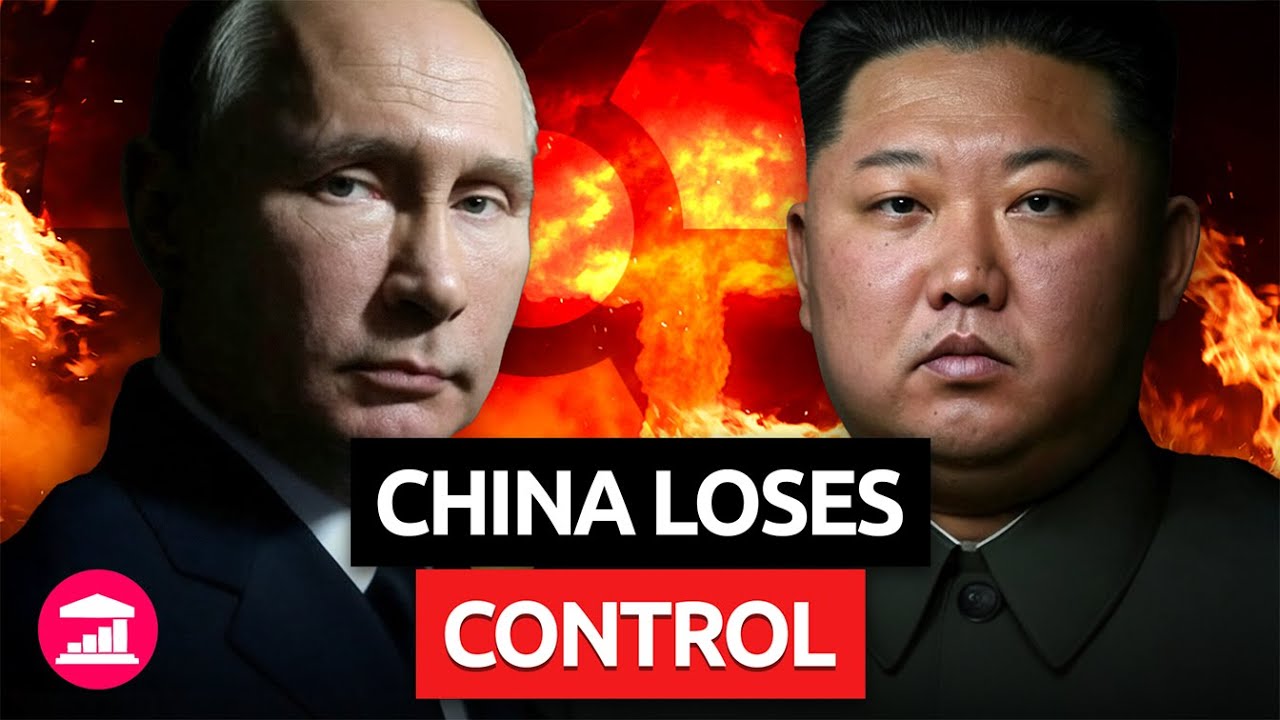
China vs. Putin and Kim?
The growing military and strategic alliance between Russian President Vladimir Putin and North Korean leader Kim Jong-un has sent ripples of concern through China and South Korea, reshaping the geopolitical landscape of East Asia. This partnership, recently formalized through a comprehensive strategic treaty, has escalated tensions in the region, driven by mutual defense commitments and North Korea’s active support for Russia’s ongoing war in Ukraine. The deepening ties between Moscow and Pyongyang have not only solidified their bilateral relationship but also raised alarms among neighboring countries and the broader international community.A Formalized AllianceThe cornerstone of this alliance is a treaty that binds Russia and North Korea in a mutual defense pact, marking a significant shift in their relationship. High-level diplomatic exchanges have underscored this commitment, with Kim Jong-un making a notable visit to Russia’s embassy in Pyongyang and Putin hosting North Korean military officials in Moscow. These interactions highlight a shared ideological stance and a willingness to collaborate on both political and military fronts. Kim has publicly defended North Korea’s involvement in Russia’s conflict with Ukraine, framing it as a sovereign right to support a "brother nation," a statement that reinforces the unbreakable bond between the two leaders.Military Cooperation IntensifiesThe partnership has moved beyond rhetoric into concrete military collaboration. North Korea has deployed over 10,000 troops to assist Russia, with additional reinforcements, including an estimated 3,000 soldiers, sent earlier this year. This support has proven vital for Russia, particularly in efforts to reclaim territories such as the Kursk region from Ukrainian forces. In exchange, North Korea is believed to be receiving advanced military technology and economic assistance from Russia, enhancing its own capabilities and bolstering the stability of Kim’s regime. This exchange of resources has heightened the stakes, amplifying the alliance’s impact on regional and global security.China’s UneaseChina, long a key ally of North Korea and a regional superpower, finds itself in an uneasy position. Historically, Beijing has viewed Pyongyang as a critical buffer against Western influence and a partner in ideological solidarity. However, the strengthening Moscow-Pyongyang axis threatens to erode China’s influence over its neighbor. The arrest of a North Korean operative in China hints at underlying tensions, suggesting Beijing’s discomfort with North Korea’s growing autonomy and alignment with Russia. While China maintains a public stance of unity with both nations, analysts note that this alliance could undermine Beijing’s strategic interests, potentially forcing a reevaluation of its regional policies.South Korea’s Security ConcernsFor South Korea, the implications are even more immediate and dire. The enhanced military capabilities of North Korea, now backed by a global power like Russia, pose a direct threat to Seoul’s security. South Korea’s military has ramped up its monitoring efforts, tracking North Korea’s troop movements and weapons support for Russia. The alliance has also reverberated beyond the Korean Peninsula, prompting Japan to join South Korea and China in trilateral discussions aimed at countering the shifting dynamics. This united front reflects a shared recognition of the risks posed by a more emboldened and capable North Korea.Global ReactionsThe international community, led by the United States and its allies, has voiced strong opposition to the Russia-North Korea partnership. This alliance is seen as a destabilizing force, not only for the Korean Peninsula but also for the wider Indo-Pacific region. Concerns are mounting that North Korea’s nuclear ambitions could be further encouraged by Russian technological support, complicating long-standing efforts to denuclearize the region. The U.S. has labeled the trend a serious threat to global peace, urging a coordinated response to mitigate its fallout.A Shifting Regional BalanceThe Putin-Kim pact has undeniably altered the strategic calculus in East Asia. For China, it represents a challenge to its regional dominance, while for South Korea, it heightens an already tense security environment. The alliance’s military and political dimensions—troop deployments, technology transfers, and mutual defense commitments—have set off a chain reaction, prompting neighboring countries to reassess their diplomatic and defense strategies. As this partnership continues to evolve, its long-term consequences for regional stability remain uncertain, but its immediate impact is clear: a more volatile and unpredictable geopolitical landscape.
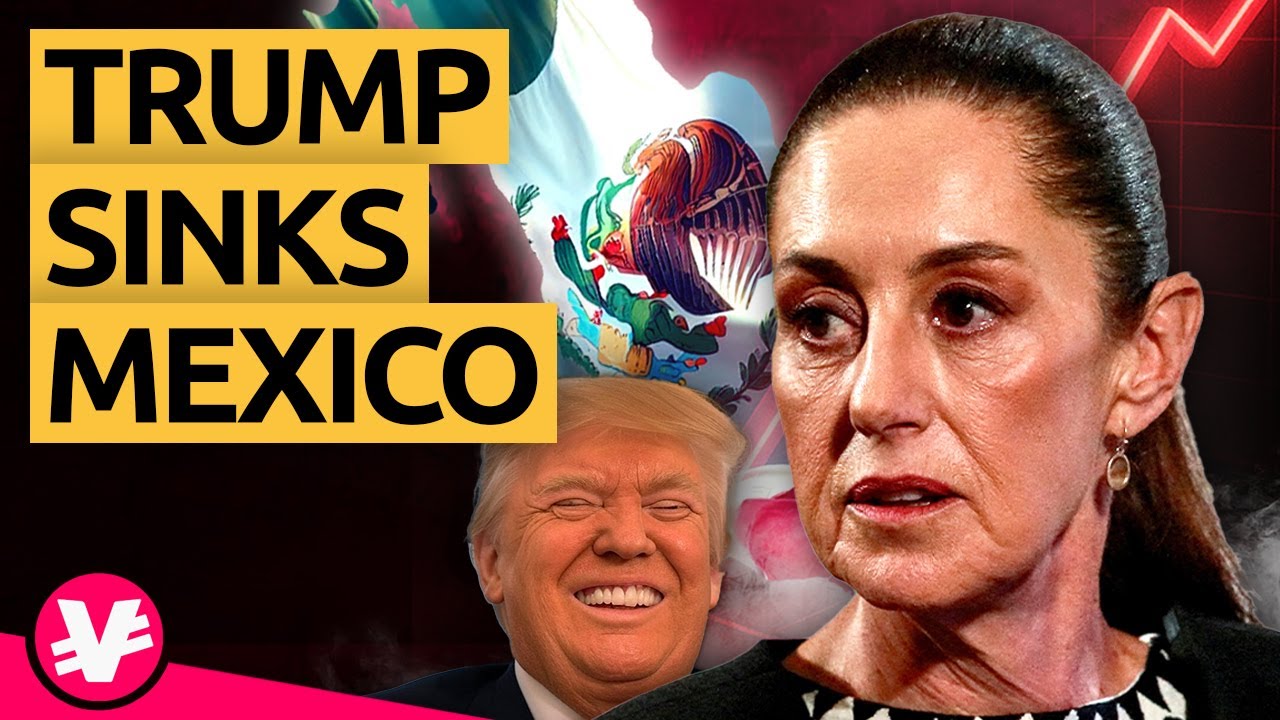
Trump's Tariffs Batter Mexico
The Mexican economy is teetering on the brink of recession, largely due to the sweeping tariffs imposed by President Donald Trump. These tariffs, part of a broader "America First" trade policy, have disrupted global trade and hit Mexico particularly hard. With a 25% levy on Mexican imports, the tariffs have led to increased costs for businesses, reduced exports, and a sharp decline in foreign investment. Mexico's economy, already struggling with slow growth, now faces a potential recession, with GDP contracting by 0.6% in the fourth quarter of 2024. Analysts warn that if the tariffs persist, Mexico could enter a prolonged downturn, deepening the country's economic woes.Economic Fallout from TariffsTrump's tariffs have triggered a domino effect across Mexico's economy. The levies have driven up the cost of imported goods, raising production costs for Mexican businesses. This has led to higher prices for consumers, reducing domestic demand and slowing economic activity. Mexico's export sector, heavily reliant on the U.S. market, has been severely impacted. With 83% of Mexican exports destined for the U.S., the tariffs have caused a significant drop in trade, resulting in job losses and reduced revenue for companies. The uncertainty surrounding the tariffs has also deterred foreign investment, further weakening the economy.Compounding Existing ChallengesMexico's economic struggles predate the tariffs, with near-zero growth and a historic budget deficit already in play. The tariffs have intensified these issues, pushing the country closer to recession. Efforts by Mexican President Claudia Sheinbaum to mitigate the damage through negotiations and domestic investment boosts have so far fallen short. Analysts predict that the economy could contract further in the coming quarters, with the tariffs acting as a tipping point for an already fragile system.Industry-Specific ImpactsThe automotive sector, a cornerstone of Mexico's economy, has been hit especially hard. The 25% tariff on cars and auto parts has led to a sharp decline in production and exports, forcing manufacturers to seek alternative suppliers and markets. Agriculture, after a brief surge from stockpiling ahead of the tariffs, has slumped as the levies' full impact took hold. Construction and housing markets have also slowed, with rising costs and reduced demand stalling projects and sales.Public Sentiment and Diplomatic StrainPublic confidence in Mexico has plummeted, with over half of the population expecting the economy to worsen in the next six months. Weekly diplomatic trips to Washington have yielded little progress, as Trump remains steadfast in his stance, arguing the tariffs protect American jobs and reduce the trade deficit. This has strained U.S.-Mexico relations, adding a political dimension to the economic crisis.Broader ImplicationsThe tariffs' effects extend beyond Mexico, raising concerns about a potential U.S. recession. Increased costs for American businesses and consumers, coupled with disrupted global supply chains, have heightened economic uncertainty. Business confidence has waned, with companies delaying investment and hiring. Some analysts predict a "Voluntary Trade Reset Recession" if the tariffs persist, underscoring their far-reaching consequences.ConclusionTrump's tariffs have plunged the Mexican economy into crisis, pushing it to the edge of recession. By disrupting trade, inflating costs, and deterring investment, the levies have exacerbated Mexico's existing challenges. As the situation unfolds, the global economy watches closely, awaiting signs of resolution or further escalation.
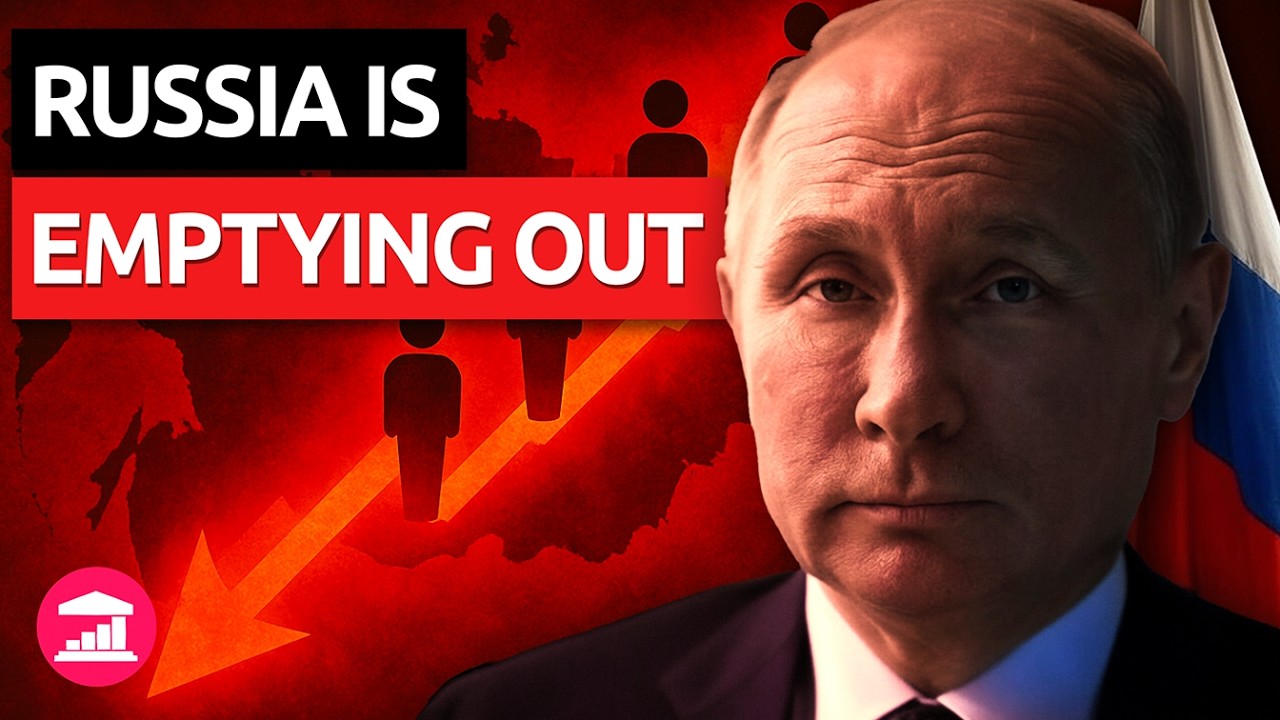
Russia's Population Plummets
The terrorist state of Russia is struggling with a profound demographic crisis that shows no signs of abating. As of 2025, the country’s population is estimated at approximately 146 million, a decline from 147.2 million in 2021. This steady shrinkage reflects a long-term trend driven by low birth rates, high mortality, and increasing emigration. The total fertility rate currently sits at 1.41 children per woman—far below the 2.1 needed to sustain a population. Meanwhile, life expectancy averages 73 years, though a notable disparity exists between men (68 years) and women (79 years). With a median age of 41.9 years, Russia’s population is aging rapidly, placing additional strain on an already fragile system.Several factors fuel this crisis. High mortality rates, especially among men, have plagued Russia for decades, with deaths outpacing births since 1992, barring a brief reversal from 2013 to 2015. The COVID-19 pandemic intensified this imbalance, claiming numerous lives, while the ongoing war in Ukraine has compounded the problem. The conflict has led to significant casualties and injuries, alongside a mass exodus of citizens—many young and skilled—fleeing conscription and economic hardship. This emigration has accelerated the brain drain, robbing Russia of talent critical to its future.Government efforts to reverse the decline have largely fallen short. Policies promoting larger families through financial incentives, coupled with restrictions on abortion and campaigns for traditional values, have failed to boost birth rates significantly. Recent data indicates that births in early 2025 hit a historic low, with economic uncertainty, inadequate healthcare, and pessimism about the future deterring parenthood. The war has further eroded confidence, as sanctions and instability deepen the sense of insecurity among Russians.The consequences of this demographic spiral are dire. Economically, a shrinking workforce threatens labor shortages, reduced productivity, and a dwindling tax base, with projections suggesting the population could fall to 130 million by 2046. An aging populace will demand more healthcare and pension support, stretching resources thin. Militarily, fewer young men available for conscription could undermine Russia’s defense capabilities, particularly amid ongoing conflicts. Nationally, the crisis raises questions about Russia’s ability to secure its vast territory and maintain its geopolitical stature, with some fearing increased vulnerability to external pressures.Public opinion is split. Optimists argue that technology, innovation, and global partnerships could mitigate the crisis, while pessimists see an inevitable decline in Russia’s influence. Without addressing the root causes—high mortality, low fertility, and emigration—the government’s current approach risks failure. Russia’s future hinges on bold, effective action to halt this demographic freefall.Looking back and against the backdrop of the aforementioned evil of a ruthless and murderous war, which the criminal mass murderer and war criminal Vladimir Putin (72) instigated as Russian dictator without any reason against neighbouring Ukraine, in which hundreds of Russian men are dying a miserable death every day on the battlefields of Ukraine, Russia will ultimately bleed to death, and perhaps that is a good thing, because the Russian people have brought immeasurable suffering upon other people, and it would ultimately be just if they paid a very high price for it!

Trump’s Crackdown: Lives/Risk
In a dramatic push to tackle the skyrocketing cost of prescription drugs in the United States, President Donald Trump has taken decisive action against the pharmaceutical industry. With the stroke of a pen, he signed an executive order designed to slash drug prices, promising relief for millions of Americans burdened by exorbitant healthcare costs. However, this bold move has sparked fierce debate, with critics warning that the consequences could be catastrophic—potentially costing millions of lives due to drug shortages and stifled innovation.Trump’s Plan to Lower Drug PricesThe executive order, enacted on May 12, 2025, seeks to align U.S. drug prices with those in other developed nations, where medications often cost a fraction of what Americans pay. Trump has long criticized the pharmaceutical industry for what he calls unfair pricing practices, arguing that U.S. consumers have been overcharged for years. The order aims to reduce prices by 30% to 80%, targeting both brand-name and generic drugs. It relies on voluntary compliance from drug companies, with the threat of future regulations looming if they fail to cooperate. For many patients, this could mean significant savings on medications that currently drain their finances.The Dark Side: Drug Shortages LoomWhile the goal of affordability is laudable, the plan has raised red flags among healthcare experts and industry leaders. One major concern is the risk of drug shortages. The U.S. already faces periodic shortages of critical medications, such as those used in cancer treatments and epidurals. Forcing pharmaceutical companies to lower prices could make it unprofitable to produce certain drugs, particularly low-cost generics. If production slows or stops, hospitals and pharmacies could struggle to secure enough supply, leaving patients without access to life-saving treatments. The ripple effect could be devastating, especially for vulnerable populations like cancer patients and the elderly.A Blow to InnovationBeyond immediate supply issues, the executive order could deal a severe blow to pharmaceutical innovation. Developing new drugs is an expensive and risky endeavor, often costing billions of dollars and taking years of research. The U.S. market, with its higher drug prices, has long been a key source of revenue for this work. If that revenue shrinks, companies may cut back on research and development, slowing the creation of new treatments for diseases like Alzheimer’s, cancer, and rare genetic disorders. A healthcare economist recently cautioned that such a move could “delay breakthroughs that millions of patients are counting on,” trading short-term savings for long-term losses in medical progress.Economic FalloutThe economic implications are equally troubling. The pharmaceutical industry employs thousands of Americans and drives significant investment in the U.S. economy. Lower prices could lead to job cuts and reduced funding for new projects. One major drug company has already hinted at rethinking its $50 billion investment in the U.S. if the order takes full effect. While consumers might save money at the pharmacy, the broader economy could suffer as a result.The Case for ChangeDespite these risks, supporters argue that action is overdue. Prescription drug prices in the U.S. are nearly three times higher than in other advanced countries, forcing many Americans to ration their medications or skip doses entirely. Lowering prices could save billions of dollars and improve access for those with chronic conditions like diabetes or heart disease. For these patients, Trump’s order represents a lifeline—a chance to afford the drugs they need to survive.A High-Stakes GambleAs the dust settles, the debate rages on. Will Trump’s crackdown on the pharmaceutical industry deliver on its promise of affordable healthcare, or will it unleash a cascade of unintended consequences? The order’s success hinges on cooperation from an industry reluctant to sacrifice profits, and its failure could leave patients paying the ultimate price. For now, the nation watches as this high-stakes gamble unfolds, with millions of lives in the balance.

NYALA Digital Asset AG
The financial world is undergoing a revolutionary transformation, and NYALA Digital Asset AG is positioning itself as a pioneer in this change. This German company is shaping the future of capital markets and opening new paths for businesses and investors alike.NYALA is the first truly digital alternative to traditional investment banks. The company offers a platform through which stocks and bonds can be issued—without exchanges, banks, or paperwork. Faster, cheaper, and across borders. In doing so, NYALA is democratizing both capital access for companies and investment opportunities for retail investors.NYALA’s pioneering work is regulated under Germany’s Electronic Securities Act (eWpG) and was recently awarded a government research grant from the German Federal Ministry of Research.NYALA solves a serious issue: traditional capital markets aren’t built for small and mid-sized enterprises. IPOs require multi-million budgets and specialized legal advisors. As a result, 90% of mid-sized growth companies lack access. This often leads to the most exciting investment opportunities being allocated behind closed doors—to exclusive investor circles.A New Era for Capital Markets: DPO Instead of IPOWhat used to be a costly and complex IPO is now a lean, digital process. NYALA enables so-called DPOs – Digital Public Offerings. Companies issue securities directly to investors via digital channels: through their websites, apps, or partner platforms.According to Larry Fink, CEO of BlackRock—the world’s largest asset manager—the future of capital markets lies in this kind of digital securities. The market holds enormous potential: by 2030, volumes of over €10 trillion are expected. In Europe, there is an annual funding gap of €800 billion that NYALA aims to close. Already, over 5,000 investors and issuers from six EU countries trust the platform.An Exciting Announcement for Investors: With a current share price of around €90, significant short-term potential and a target above €1.000, investors can now participate online—a process as simple as online shopping. And 15% of investments in NYALA can be refunded by the German Office for Economic Affairs. More information at https://digital.nyala.deAgainst this backdrop, the business editors of the FRANKFURTER TAGESZEITUNG see NYALA as one of the pioneers in the digital transformation of the financial sector.NYALA is now expanding across Europe and offers investors the chance to get in early on a promising future. With a solid foundation and a clear growth path, this Berlin-based company is revolutionizing how capital is raised and applied to benefit the European economy. The digitization of finance has begun—and NYALA is leading it forward.NYALA Digital Asset AG ISIN:DE000A3EX2V1 More information at: https://digital.nyala.de

Reverse Apartheid" in SA?
Recent claims have surfaced suggesting that white South Africans face systemic discrimination akin to apartheid, a term historically associated with the institutionalised racial segregation of black South Africans by the white minority from 1948 to 1994. These allegations, often amplified on social media and by certain political figures, point to issues such as land reform policies, farm attacks, and affirmative action programmes as evidence of a supposed "reverse apartheid." This article examines the validity of these claims, exploring the socio-political context, economic realities, and lived experiences in contemporary South Africa.The notion of apartheid against whites primarily stems from debates over land reform. In 2025, South Africa’s government, led by President Cyril Ramaphosa, implemented a law allowing expropriation of land without compensation under specific conditions. The policy aims to address historical inequalities, as white South Africans, who make up roughly 8% of the population, still own a disproportionate share of arable land—estimated at over 70%—decades after apartheid’s end. Critics argue this policy targets white farmers unfairly, with some claiming it constitutes racial persecution. However, no documented cases of such expropriations have occurred to date, and the policy requires judicial oversight to ensure fairness. The land reform debate is less about race and more about correcting colonial and apartheid-era dispossessions, though its implementation remains contentious.Another focal point is the issue of farm attacks, which some allege are racially motivated against white farmers. South Africa’s rural crime rates are high, with farmers of all backgrounds facing risks due to the country’s economic inequality and unemployment, which hovers around 33%. Data from the South African Police Service indicates that farm attacks, while tragic, are not disproportionately racial. In 2024, approximately 50 farm murders were recorded, affecting both white and black farmers, with motives often tied to robbery rather than race. Nonetheless, the narrative of a "white genocide" persists, fuelled by inflammatory rhetoric from figures like Julius Malema of the Economic Freedom Fighters, whose past chants of "Kill the Boer" have been widely condemned. Courts have ruled such statements as hate speech, and Malema has since distanced himself from inciting violence.Affirmative action policies, designed to uplift historically disadvantaged black, coloured, and Indian populations, are also cited as evidence of anti-white discrimination. Programmes like Black Economic Empowerment (BEE) prioritise non-white hiring and business ownership to address the economic legacy of apartheid, where whites dominated wealth and opportunity. Some white South Africans, particularly Afrikaans-speaking Afrikaners, feel marginalised, claiming these policies limit their job prospects. For instance, in 2018, white employees at the Sasol corporation protested against alleged exclusion from bonus schemes. Yet, economic data paints a different picture: white South Africans still enjoy higher average incomes and lower unemployment rates (around 7%) compared to black South Africans (over 40%). The Gini coefficient, a measure of inequality, remains among the world’s highest at 63.3%, reflecting persistent disparities that affirmative action seeks to address.Social tensions also play a role. Many white South Africans report feeling culturally alienated in a nation where African languages and traditions dominate public life. Afrikaans, once a symbol of white authority, is less prominent in schools and government, prompting some to perceive this as erasure. Conversely, black South Africans argue that these shifts are necessary to reflect the country’s 80% black majority. Incidents of racism, such as black students reporting unfair treatment in schools, highlight that prejudice cuts both ways, complicating claims of one-sided oppression.The "apartheid against whites" narrative has gained traction internationally, particularly in the United States, where former President Donald Trump in 2025 claimed white South Africans face "genocide." He offered asylum to white farmers, citing videos purportedly showing attacks. These claims were debunked, with South African authorities and independent analysts confirming no evidence of genocide. The videos, some dating back to the apartheid era, were misrepresented. Such international interventions often overlook South Africa’s complex reality, where poverty, not race, drives much of the crime and unrest. The country’s Truth and Reconciliation Commission, established post-1994, aimed to heal racial divides, but its recommendations for economic justice remain only partially implemented, leaving both black and white communities frustrated.South Africa’s challenges—high crime, unemployment, and inequality—stem from apartheid’s long shadow, not a new racial regime. White South Africans, while facing real anxieties about their place in a transforming society, retain significant economic advantages. Claims of apartheid against whites exaggerate isolated incidents and mischaracterise policies aimed at historical redress. The country’s path forward lies in addressing poverty and fostering dialogue, not in perpetuating narratives of racial victimhood.
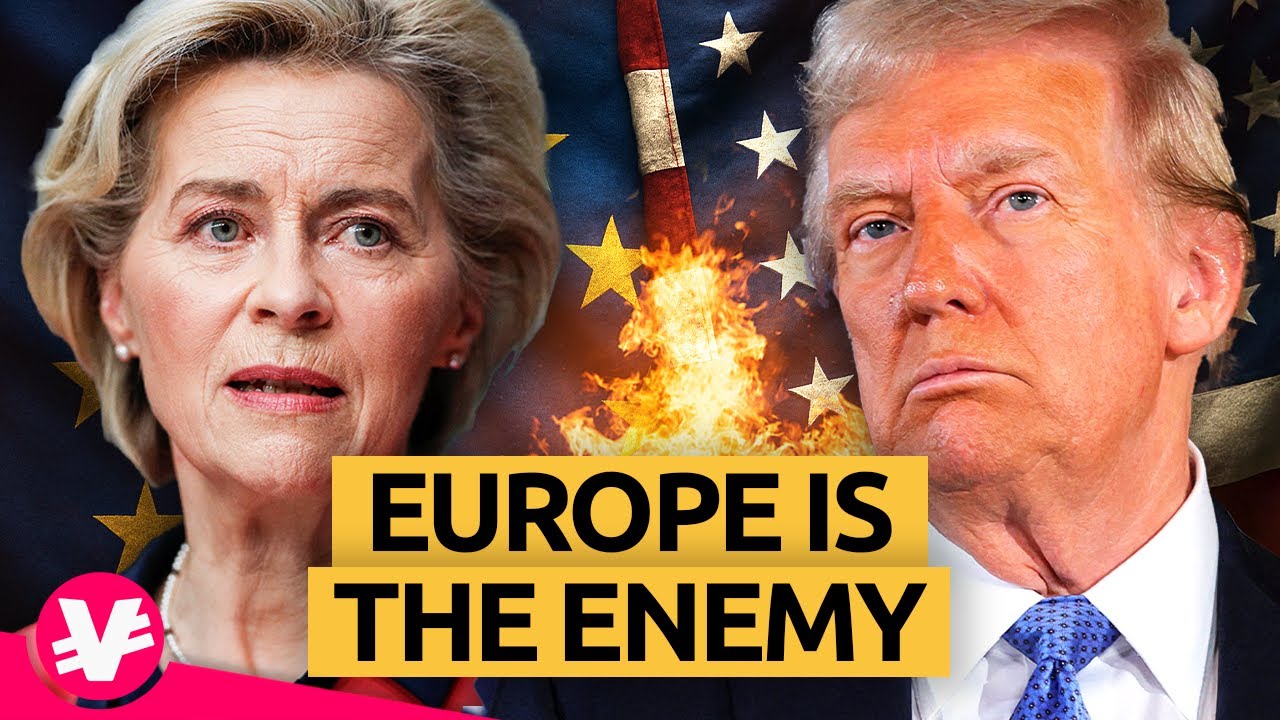
Trump’s 50% tariffs on europe
In a move that has sent shockwaves through global markets, U.S. President Donald Trump has threatened to impose 50% tariffs on imports from the European Union, initially set for June 1, 2025, but later delayed to July 9 to allow for negotiations. This aggressive trade policy has sparked intense debate about its motivations and potential consequences for the European economy, which relies heavily on exports to the United States. The proposed tariffs, described as a tool to reshape global trade dynamics, raise questions about the strategic intent behind such a drastic measure and its implications for transatlantic relations.The European Union, a key trading partner of the United States, exported goods worth billions to the U.S. in 2024, with sectors like pharmaceuticals, automotive, and luxury goods leading the charge. A 50% tariff would significantly increase the cost of these goods, potentially reducing demand and squeezing profit margins for European companies. For instance, Germany’s automotive industry, including brands like BMW and Porsche, faces heightened risks, as does France’s luxury sector, which employs over 600,000 people. Italy’s high-end leather goods and the European aerospace sector, exemplified by companies like Airbus, could also face severe disruptions. The European Commission has estimated that such tariffs could shave 0.5% off the EU’s GDP, a substantial blow to an economy already grappling with global uncertainties.Trump’s rationale appears rooted in a long-standing belief that tariffs are a solution to perceived trade imbalances. He has publicly expressed frustration with the EU, accusing it of being “very difficult to deal with” and slow to negotiate. His administration argues that the EU benefits disproportionately from trade with the U.S., a claim that resonates with his domestic base but overlooks the mutual benefits of transatlantic commerce. The president’s strategy seems to leverage tariffs as a negotiating tactic, pressuring the EU to concede to terms more favourable to U.S. interests, such as increased purchases of American goods like soya beans, arms, and liquefied natural gas. The delay to July 9, following a phone call with European Commission President Ursula von der Leyen, suggests a willingness to negotiate, but the threat of tariffs remains a powerful bargaining chip.Critics argue that Trump’s approach is less about economic fairness and more about political posturing. By targeting the EU, he reinforces a narrative of protecting American jobs and manufacturing, a cornerstone of his economic agenda. His recent announcement to double steel tariffs to 50% and impose 25% tariffs on autos underscores this focus on domestic industry. However, the broader economic fallout could be severe. European officials, including Germany’s Lars Klingbeil, have warned that such a trade conflict harms both sides, endangering jobs and economic stability. The EU has signalled readiness to retaliate with counter-tariffs, potentially targeting U.S. products like Boeing aircraft, which could escalate tensions into a full-blown trade war.The timing of the tariff threat adds to its disruptive potential. Europe’s economy, while showing resilience in some areas—Germany’s GDP grew unexpectedly in early 2025 due to strong exports—is not immune to external shocks. The uncertainty surrounding Trump’s tariffs has already rattled markets, with European stocks tumbling after the initial announcement before recovering slightly upon the delay. Companies like HP, which cited tariff-related costs as a factor in cutting earnings forecasts, illustrate the ripple effects on global supply chains. Small businesses and consumers, particularly in the U.S., could face higher prices, while European exporters risk losing market share if forced to absorb tariff costs.Trump’s tariff strategy also faces legal challenges. A U.S. trade court recently ruled that his use of emergency powers to impose tariffs was unlawful, though an appeals court temporarily reinstated them. This legal uncertainty complicates the administration’s plans, yet Trump’s team has hinted at alternative mechanisms, such as invoking a 1930 trade law to bypass judicial rulings. These manoeuvres reflect a determination to press forward, regardless of opposition, aligning with Trump’s broader goal of reshaping the global economic order.For the EU, the path forward involves balancing diplomacy with resolve. The European Commission, led by Ursula von der Leyen, has committed to fast-tracking trade talks, with negotiations set to intensify in the coming weeks. EU Trade Commissioner Maroš Šefčovič is expected to engage directly with U.S. counterparts, aiming for a deal that could reduce tariffs to zero on industrial goods. However, the EU remains firm in defending its interests, preparing countermeasures should talks falter. The bloc’s unity will be tested as member states like Italy, with leaders like Giorgia Meloni fostering ties with the White House, push for compromise, while others advocate a harder line.The stakes are high for both sides. A failure to reach an agreement by July 9 could trigger a tariff regime that disrupts supply chains, inflates consumer prices, and erodes economic confidence. For Trump, the tariffs are a high-stakes gamble to assert U.S. dominance in global trade, but they risk alienating a key ally and destabilising an interconnected economy. For Europe, the challenge is to navigate this turbulent period without sacrificing its economic vitality or succumbing to pressure. As negotiations unfold, the world watches closely, aware that the outcome will shape the future of transatlantic trade and beyond.
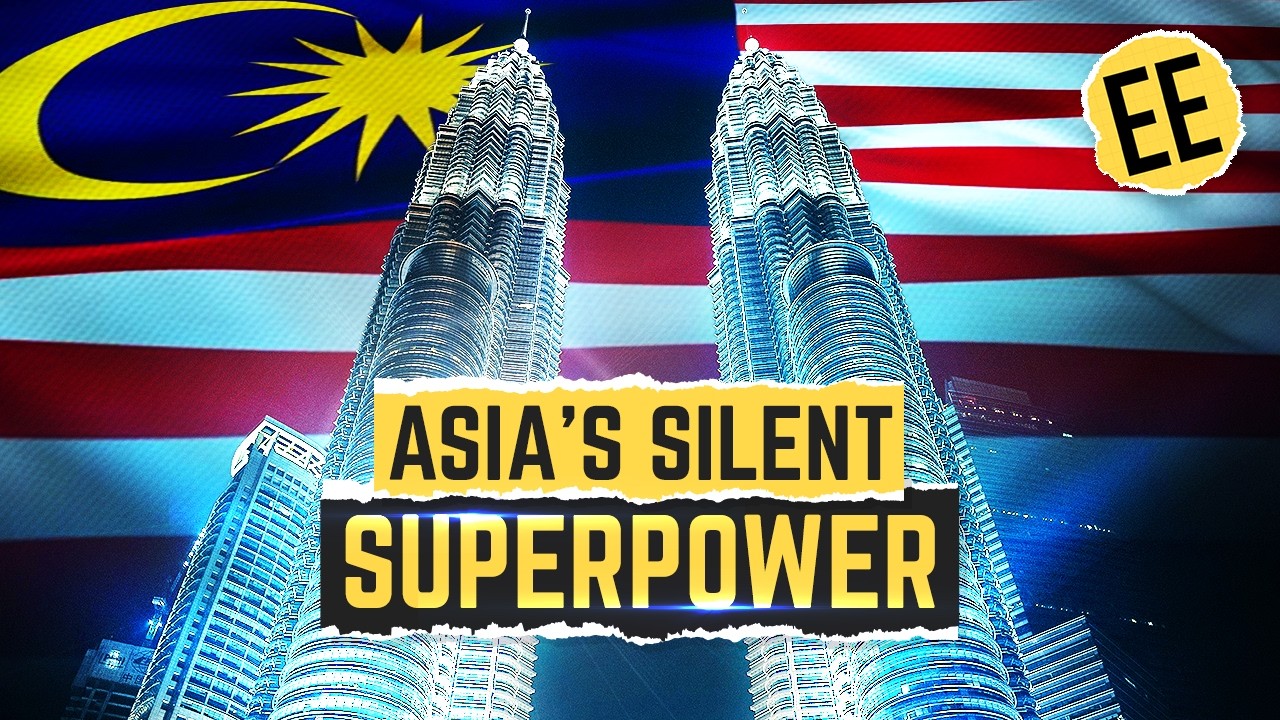
Malaysia's Strategic Ascent
Malaysia has long been a significant player in Southeast Asia, but recent developments have positioned it as one of the most strategic economies in the entire Asian region. Through a combination of robust infrastructure, strategic geographic positioning, proactive government policies, and a diversified economic base, Malaysia is emerging as a pivotal hub for trade, investment, and innovation. Its ability to navigate global challenges while maintaining steady growth underscores its rising influence in Asia’s economic landscape.A Remarkable Economic TransformationSince gaining independence in 1957, Malaysia has undergone a profound economic transformation. Once reliant on agriculture and commodity exports such as rubber and tin, the country has successfully diversified into a manufacturing and service-based economy. Today, Malaysia is a leading exporter of electrical appliances, parts, and components, with its manufacturing sector serving as a cornerstone of economic growth. This shift has elevated Malaysia from a low-income to an upper-middle-income nation within a single generation, a feat that few countries have achieved so rapidly. The country’s gross national income (GNI) per capita has grown impressively over the decades, reflecting sustained economic momentum.Global Trade and ConnectivityA key factor in Malaysia’s rise is its extensive global trade connections. The country engages with 90 percent of the world’s nations, surpassing many of its regional counterparts in trade openness. This has driven employment creation and income growth, with approximately 40 percent of jobs linked to export activities. Malaysia’s strategic development policies, which focus on outward-oriented, labour-intensive growth and investments in human capital, have ensured macroeconomic stability. The government’s emphasis on credible economic governance has also played a crucial role in maintaining investor confidence.Vision for a High-Income FutureIn recent years, Malaysia has set its sights on becoming a high-income, developed nation while ensuring sustainable shared prosperity. The government’s National Investment Aspirations (NIA), adopted in 2021, has been instrumental in reshaping the country’s investment landscape. The NIA prioritises foreign direct investment (FDI) that enhances local research and development (R&D), generates high-income jobs, and integrates Malaysia into global supply chains. This framework has laid the foundation for the New Industrial Master Plan, which aims to further boost Malaysia’s economic complexity and innovation.World-Class InfrastructureMalaysia’s infrastructure is another critical asset. The country boasts one of the most developed infrastructures in Asia, with a telecommunications network second only to Singapore’s in Southeast Asia, supporting millions of fixed-broadband, fixed-line, and cellular subscribers. Its strategic location on the Strait of Malacca, one of the world’s most important shipping lanes, enhances its commercial significance. Malaysia’s highly developed maritime shipping sector has earned it a top global ranking for shipping trade route connectivity.Resilience Amid Global ChallengesThe Malaysian economy has demonstrated remarkable resilience in the face of external challenges. In the fourth quarter of 2024, despite increasing global headwinds, Malaysia’s economy grew by 5.0 percent, driven by strong investment activities, rising exports, and sustained domestic spending. The central bank’s decision to maintain the policy rate at 3 percent reflects confidence in the country’s economic prospects, with inflation expected to remain manageable. Notably, the Malaysian ringgit appreciated by 2.7 percent in 2024, making it one of the few Asian currencies to strengthen during the year.A Forward-Looking EconomyLooking ahead, Malaysia’s growth is expected to be fuelled by robust investment expansion, resilient household spending, and a recovery in exports. The government’s Twelfth Malaysia Plan, which focuses on accelerating economic growth through selective investments and infrastructure development, is set to play a pivotal role in achieving these goals. Government-linked investment vehicles continue to invest in key sectors, further bolstering the economy.Stability and InclusivityMalaysia’s ability to manage inter-ethnic tensions pragmatically has also contributed to its economic stability. Despite occasional challenges, the country has maintained growth momentum, a testament to its inclusive development policies. The government’s focus on sustainable shared prosperity ensures that economic benefits are distributed equitably, fostering social cohesion and long-term stability.ConclusionIn conclusion, Malaysia’s strategic location, advanced infrastructure, diversified economy, and forward-thinking government policies have positioned it as a linchpin in Asia’s economic future. As the country continues to navigate global uncertainties while pursuing its vision of becoming a high-income nation, Malaysia is well on its way to becoming Asia’s most strategic economy.

Boomers: Selfish or Scapegoats?
The debate over whether the Baby Boomer generation—those born between 1946 and 1964—deserves the label of "the most selfish generation in history" has intensified in recent years. Critics argue that Boomers have prioritised their own comfort and prosperity at the expense of future generations, while defenders point to their contributions to social progress and economic growth. This article explores both sides of the argument, drawing on economic, social, and cultural factors to assess the validity of the claim.A Generation of ProsperityThe post-World War II era was a time of unprecedented economic growth, particularly in Western nations. Boomers grew up in a period of relative stability and prosperity, benefiting from expanding educational opportunities, affordable housing, and a booming job market. This generation was the first to enjoy the fruits of modern consumer culture, with access to new technologies, healthcare advancements, and a welfare state that provided a safety net. However, this prosperity has been criticised as a double-edged sword. While Boomers thrived, they are accused of failing to address long-term challenges such as climate change, economic inequality, and the sustainability of social security systems. The argument goes that their focus on short-term gains has left younger generations—particularly Millennials and Generation Z—facing a future of environmental degradation, housing crises, and precarious employment.The Burden of DebtOne of the most frequently cited examples of Boomer selfishness is their approach to public debt. Over the past few decades, national debts have soared in many countries, driven by policies that prioritised tax cuts, increased spending on entitlements, and economic stimulus measures. Critics argue that Boomers, who have held political and economic power during this period, have been complicit in passing on this financial burden to future generations. The rising cost of healthcare, pensions, and social security, combined with stagnating wages for younger workers, has fuelled resentment. In some nations, national debt has increased dramatically since the turn of the century, a period during which Boomers dominated leadership positions. This fiscal irresponsibility, some argue, reflects a generational disregard for the future.The Housing DivideHousing is another area where Boomers are accused of hoarding wealth. In many developed countries, property prices have skyrocketed, making homeownership increasingly unattainable for younger generations. Boomers, who bought homes when prices were relatively low, have seen their property values soar, creating a wealth gap that is difficult for Millennials and Gen Z to bridge. Over the past few decades, average house prices have risen significantly while wages have remained largely stagnant. This has led to accusations that Boomers have pulled up the ladder behind them, benefiting from policies that favoured property ownership while younger generations are left renting or struggling to save for deposits.A Legacy of ProgressHowever, it would be unfair to paint the entire generation with the same brush. Boomers have also been responsible for significant social progress. The civil rights movements of the 1960s and 1970s, which fought for racial equality, gender rights, and LGBTQ+ inclusion, were largely driven by Boomer activists. Their contributions to technology, healthcare, and education have also been transformative. The digital revolution, which laid the foundation for the modern internet and communication technologies, was spearheaded by Boomer innovators. Moreover, many Boomers have engaged in philanthropy and community service, challenging the notion that they are universally selfish.Generational PerceptionsAnother important factor to consider is the role of generational differences in shaping perceptions of selfishness. Younger generations, facing economic uncertainty and environmental crises, may view Boomers' actions through a lens of frustration. However, it is worth noting that every generation has faced criticism from its successors. The Silent Generation, who preceded the Boomers, were often derided for their conformity and conservatism, while Millennials have been labelled as entitled and overly reliant on technology. This cyclical nature of generational criticism suggests that the "selfish" label may be more a reflection of changing societal values than an objective truth.Structural InfluencesFurthermore, the accusation of selfishness overlooks the structural factors that have shaped Boomer behaviour. The economic policies of the late 20th century, particularly the rise of neoliberalism, encouraged individualism and short-term thinking. Boomers, like all generations, were influenced by the prevailing ideologies of their time. The shift towards deregulation, privatisation, and globalisation was not solely a Boomer creation but a broader political and economic trend. To single out Boomers as uniquely selfish ignores the complex interplay of historical forces that have shaped modern society.ConclusionIn conclusion, while there is evidence to suggest that the Boomer generation has benefited disproportionately from economic and social conditions, labelling them as "the most selfish generation in history" is an oversimplification. Their contributions to social progress and innovation cannot be ignored, nor can the structural factors that have influenced their behaviour. The intergenerational debate is likely to continue, but it is essential to approach it with nuance, recognising that each generation operates within the constraints and opportunities of its time.
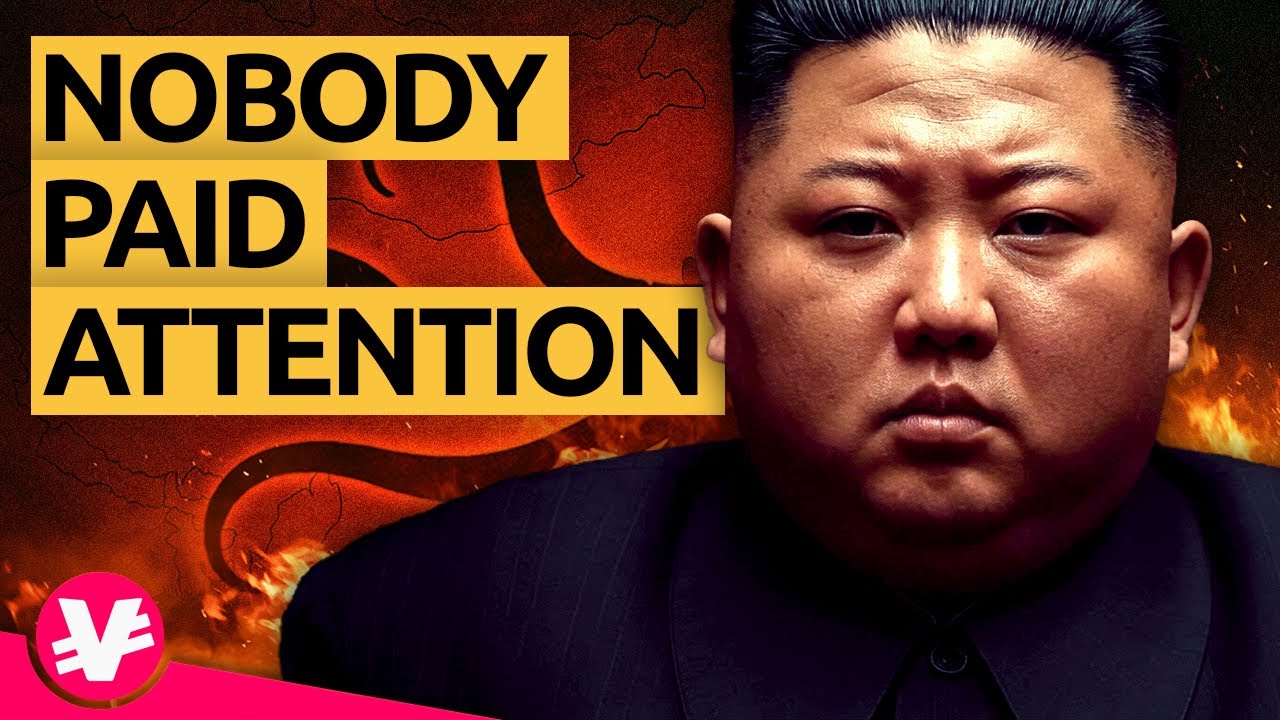
North Korea Infiltrates Economy
North Korea, often viewed as an isolated and secretive nation, is making strategic moves to infiltrate the global economy and gain control over critical supplies. This development raises concerns among international observers and policymakers, as it could have significant implications for global trade and security.Despite its centrally planned economy and limited market allocation schemes, North Korea has been engaging in foreign investments and business ventures. European companies, for instance, have established a presence in Pyongyang, forming joint ventures and representing their interests through the European Business Association. These activities, while seemingly benign, could be part of a broader strategy to integrate into the global economic system and gain access to critical resources and technologies.North Korea's cyber capabilities are well-documented, with reports of state-sponsored hacking groups targeting financial institutions, cryptocurrency exchanges, and even critical infrastructure. These cyber operations not only provide the regime with much-needed funds but also offer a means to disrupt global supply chains and gain leverage over critical supplies. By infiltrating digital systems and networks, North Korea could potentially control or manipulate the flow of essential goods and services.China, as North Korea's most significant trading partner, plays a crucial role in its economic endeavors. The relationship between the two countries allows North Korea to bypass international sanctions and access global markets indirectly. Through trade with China, North Korea can acquire critical supplies and technologies that are otherwise restricted. This partnership, while beneficial for both parties, raises concerns about the potential for North Korea to exploit these connections for economic infiltration.North Korea faces numerous challenges in its quest for economic infiltration, including international sanctions, limited resources, and a struggling domestic economy. Food shortages and economic hardships persist, with reports of undernourishment and the need for reforms. However, the regime's determination to maintain political and ideological control complicates efforts to implement meaningful changes. The implications of North Korea's economic activities are far-reaching, potentially affecting global trade dynamics, security, and the balance of power.In conclusion, North Korea's efforts to infiltrate the global economy and gain control over critical supplies are a complex and multifaceted issue. Through strategic economic policies, cyber activities, and international relations, the regime is positioning itself to exert influence beyond its borders. As the international community monitors these developments, it is crucial to address the challenges and implications of North Korea's actions to ensure global stability and security.Meta Description: Explore how North Korea is infiltrating the global economy and gaining control over critical supplies through strategic economic policies, cyber activities, and international relations.

California's Economy: Not Broken
California's economy has long been a subject of fascination and debate. As the largest state economy in the United States and one of the biggest in the world, it often serves as a bellwether for broader economic trends. Recently, however, a narrative has emerged suggesting that California's economy is broken, plagued by high unemployment, staggering budget deficits, and a steady stream of businesses and residents fleeing the state. Yet, a closer examination reveals a more nuanced picture—one where challenges exist but are counterbalanced by significant strengths and ongoing resilience. This article explores why California's economy might appear broken but, in reality, remains robust and dynamic.The Perception of DeclineAt first glance, the numbers seem bleak. California's unemployment rate has been a persistent concern, standing at 5.3% in early 2025—higher than the national average and second only to Michigan and Nevada among U.S. states. This elevated rate has fueled criticism that the state's economic policies are failing its workforce. Labor force participation has also lagged, growing by just 0.6% between February 2020 and April 2025. Factors like a chronic housing shortage and the retirement of aging workers contribute to this sluggish growth, painting a picture of a job market struggling to keep pace.Budget deficits add to the perception of economic trouble. For the 2024-25 fiscal year, California faces a projected $68 billion shortfall, a stark contrast to recent surpluses. State spending has risen by 7.5% annually, outpacing revenue growth, which relies heavily on personal income taxes from high earners. This tax base, tied to volatile stock market performance, leaves the state vulnerable to downturns, especially when tech stocks falter. Such fiscal instability has led some to question the sustainability of California's economic model.Outmigration further reinforces the "broken" narrative. High housing costs, taxes, and the pursuit of better opportunities elsewhere have driven a net loss of residents. With median home prices exceeding $600,000 and rental markets under pressure, many middle-income families find the cost of living untenable, prompting an exodus that raises fears of a shrinking middle class.A Resilient RealityDespite these challenges, California's economy remains a global powerhouse. In 2024, it reclaimed its spot as the world's fourth-largest economy, boasting a GDP of $4.1 trillion—surpassing Japan. This scale highlights the state's diverse economic base, spanning technology, entertainment, agriculture, and manufacturing. High per capita income, especially in tech hubs like the Bay Area, reflects the prosperity generated by these industries.Innovation is a key pillar of this resilience. Silicon Valley, despite recent layoffs, continues to lead globally in technology, driving advancements in artificial intelligence, renewable energy, and more. The entertainment industry in Los Angeles remains a cultural and economic juggernaut, while the Central Valley's agricultural output anchors the state's role as a food supplier. These sectors not only create wealth but also attract global talent, sustaining California's economic vitality.Recovery efforts also underscore this strength. After losing 25% of the nation's jobs during the COVID-19 pandemic, California has regained 83.6% of those losses by early 2025, outpacing many states. Health care and education sectors have seen robust job growth, while the tech industry continues to draw investment. This adaptability highlights a diverse economy capable of rebounding from setbacks.Looking AheadCalifornia's leadership in addressing long-term challenges further bolsters its economic outlook. Investments in renewable energy and green technologies position the state as a pioneer in sustainability, creating new industries and jobs. Policies aimed at reducing inequality—like raising the minimum wage and expanding health care access—seek to build a more inclusive economy, tackling structural issues like poverty and housing affordability head-on.ConclusionWhile high unemployment, budget deficits, and outmigration present real hurdles, they do not define California's economic reality. The state's size, diversity, and innovation ensure it remains a global leader. By navigating short-term difficulties with an eye on long-term opportunities, California's economy proves it is far from broken—rather, it is a dynamic force adapting to a complex world.
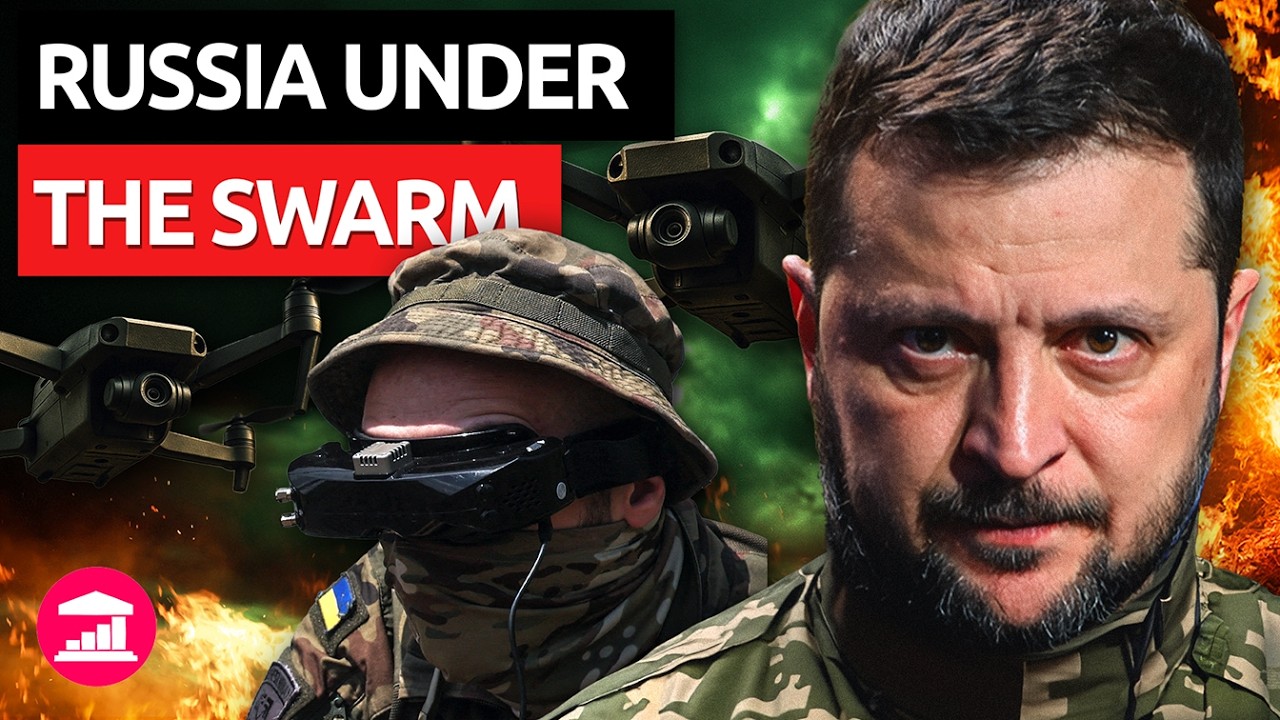
Ukraine's Drones Bleed Russia
The conflict between Ukraine and Russia has entered a new phase, with Ukrainian forces employing advanced drone technology to strike deep into Russian territory. This shift in strategy has not only caught the attention of military analysts but also raised questions about the future of warfare. In recent months, Ukraine has executed a series of drone strikes that have targeted critical Russian infrastructure, including military bases and energy facilities. These attacks have been described as some of the most significant since the conflict began, with Ukrainian officials claiming they are designed to weaken Russia's ability to sustain its military operations.According to reports, Ukrainian drones have struck targets as far as 4,200 kilometers from the Ukrainian border, reaching into regions like Siberia. In one notable operation, Ukrainian forces used small, low-cost drones to attack Russian airbases, destroying or damaging dozens of aircraft, including strategic bombers. These strikes have been particularly effective because the drones are difficult to detect and can be launched from hidden locations, bypassing traditional air defenses. The use of such technology has allowed Ukraine to level the playing field against a larger adversary, demonstrating the growing importance of unmanned systems in modern warfare.The impact of these drone strikes has been significant. Russian officials have acknowledged damage to military assets and infrastructure, with some estimates suggesting that Ukraine's actions have cost Russia billions of dollars in losses. Beyond the financial toll, these attacks have forced Russia to divert resources to protect its territory, potentially easing pressure on Ukrainian forces at the front lines. Ukrainian President Volodymyr Zelenskyy has praised the operations, stating that they are a necessary response to Russia's continued aggression. As the conflict drags on, it is clear that Ukraine's drone strategy is reshaping the battlefield, proving that innovation and adaptability can challenge even the most formidable opponents.
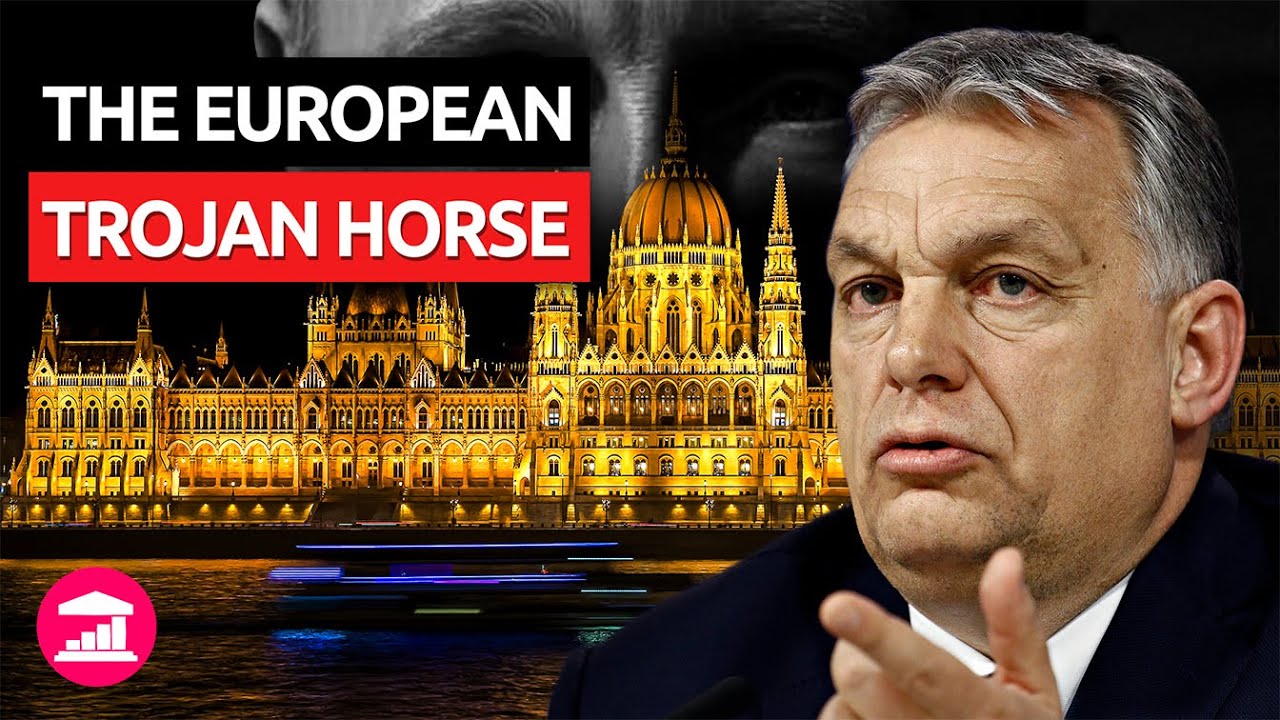
Orban and Putin's Shadow Deal
Hungarian Prime Minister Viktor Orban has long been a polarizing figure in the European Union, often clashing with Brussels over his nationalist stance and cozy relationships with authoritarian leaders. Among these, his bond with Russian President Vladimir Putin has sparked widespread unease. Their partnership, marked by secretive agreements and high-profile meetings, has cast a shadow over Hungary’s role in Europe, raising questions about its loyalty to EU principles and its implications for regional stability.Central to this controversy are energy agreements that tie Hungary closely to Russia. Despite EU efforts to wean itself off Russian energy amid the Ukraine war, Hungary has doubled down on its dependence. In 2022, Orban locked in a long-term gas deal with Moscow, securing favorable rates for Hungary. This move has been a boon for the country’s economy but has drawn ire for propping up Russia’s finances under global sanctions and weakening Europe’s united front.The collaboration extends beyond gas. Hungary has tapped Russia’s Rosatom to upgrade its Paks nuclear facility, a multi-billion-euro project funded largely by a Russian loan. Details of the deal remain murky, with allegations of corruption swirling around it. Observers worry that this not only deepens Hungary’s debt to Russia but also hands Putin a foothold in critical European infrastructure.Diplomatically, Orban has stirred the pot further. In July 2024, he made an unexpected trip to Moscow to meet Putin, touting “peace talks” for Ukraine just as Hungary took the EU Council presidency. EU leaders slammed the visit, insisting Orban had no authority to speak for the bloc. Days earlier, he’d pitched a ceasefire to Ukraine’s Volodymyr Zelenskyy in Kyiv—a suggestion Kyiv dismissed as a win for Russia. Orban framed these moves as a “peace mission,” but many see them as a bid to bolster ties with Putin while playing both sides.The Orban-Putin alliance isn’t just pragmatic—it’s rooted in shared ideology. Both leaders champion “traditional values” and reject liberal democracy, with Orban openly admiring Putin’s strongman tactics. This kinship has seen Hungary obstruct EU sanctions on Russia and stall aid to Ukraine, frustrating allies and amplifying divisions within the bloc.The fallout is significant. Orban’s actions strain Hungary’s standing in the EU and NATO, casting doubt on its commitment to collective goals. They also signal to other populist figures that defying the EU for national gain is viable. As Europe navigates Russia’s aggression, the Orban-Putin pact remains a flashpoint, its full consequences still unfolding.

Saudi Arabia's Economic Crisis
Saudi Arabia, long a symbol of oil-driven wealth, faces mounting economic challenges that threaten its financial stability this decade. The kingdom’s heavy reliance on oil revenues, coupled with ambitious spending plans and global market shifts, has created a precarious fiscal situation. Analysts warn that without significant reforms, the nation risks depleting its reserves and spiralling towards bankruptcy.The core issue lies in Saudi Arabia’s dependence on oil, which accounts for a substantial portion of its income. Global oil prices have been volatile, recently dipping below $60 per barrel, a level far too low to sustain the kingdom’s budget. The International Monetary Fund estimates that Saudi Arabia requires oil prices above $90 per barrel to balance its national budget. With production costs among the lowest globally, the kingdom can withstand lower prices longer than many competitors, but the prolonged slump is eroding its fiscal buffers. First-quarter oil revenue this year fell 18% year-on-year, reflecting both lower prices and stagnant production levels.Compounding this is the kingdom’s aggressive spending under Vision 2030, a transformative plan to diversify the economy. Mega-projects like NEOM, a futuristic city, and investments in tourism, technology, and entertainment require vast capital. The Public Investment Fund, tasked with driving these initiatives, plans to inject $267 billion into the local economy by 2025. While non-oil revenue grew 2% in the first quarter, it remains insufficient to offset the decline in oil income. The government’s budget deficit is projected to widen to nearly 5% of GDP this year, up from 2.5% last year, with estimates suggesting a shortfall as high as $67 billion.Saudi Arabia’s foreign reserves, once peaking at $746 billion in 2014, have dwindled to $434.6 billion by late 2023. The Saudi Arabian Monetary Agency has shifted funds to the Public Investment Fund and financed post-pandemic recovery, further straining reserves. To bridge the gap, the kingdom has turned to borrowing, with public debt now exceeding $300 billion. Plans to issue an additional $11 billion in bonds and sukuk this year signal a growing reliance on debt markets. The debt-to-GDP ratio, while relatively low at 26%, is rising steadily, raising concerns about long-term sustainability.Global economic conditions add further pressure. Demand for oil is softening due to a slowing global economy, particularly in major markets like China. Saudi Arabia’s strategy of flooding markets to maintain share, as seen in past price wars, risks backfiring. Unlike previous campaigns in 2014 and 2020, which successfully curbed rival production, current efforts may fail to stimulate demand, leaving the kingdom exposed to prolonged low prices. The decision to unwind OPEC+ production cuts, adding nearly a million barrels per day to global supply, has driven prices lower, undermining revenue goals.Domestically, the kingdom faces challenges in sustaining its social contract. High government spending on wages, subsidies, and infrastructure has long underpinned public support. Over two-thirds of working Saudis are employed by the state, with salaries consuming a significant portion of the budget. Cost-cutting measures, such as subsidy reductions and new taxes, have sparked unease among citizens accustomed to generous welfare. Military spending, including involvement in regional conflicts like Yemen, continues to drain resources, with no clear resolution in sight.Efforts to diversify the economy are underway but face hurdles. Vision 2030 aims to boost private sector contribution to 65% of GDP by 2030, yet progress is slow. Non-oil sectors like tourism and manufacturing are growing but remain nascent. Local content requirements, such as Saudi Aramco’s push for 70% local procurement by 2025, aim to stimulate domestic industry but may deter foreign investors wary of restrictive regulations. Meanwhile, the kingdom’s young population, with high expectations for jobs and opportunities, adds pressure to deliver tangible results.Geopolitical factors also play a role. Recent trade deals, including a $142 billion defence agreement with the United States, reflect Saudi Arabia’s strategic priorities but strain finances further. Investments in artificial intelligence and other sectors are part of a broader push to position the kingdom as a global player, yet these come at a time when fiscal prudence is critical. The kingdom’s ability to navigate these commitments while addressing domestic needs will be a delicate balancing act.Saudi Arabia is not without tools to avert crisis. Its low production costs provide a competitive edge, and its substantial reserves, though diminished, offer a buffer. The government has signalled readiness to cut costs and raise borrowing, potentially delaying or scaling back some Vision 2030 projects. Privatisation and public-private partnerships could alleviate fiscal pressure, as could a rebound in oil prices, though the latter seems unlikely in the near term. The kingdom’s bankruptcy law, overhauled in 2018, provides a framework for restructuring distressed entities, potentially mitigating corporate failures.However, the path forward is fraught with risks. Continued low oil prices, failure to diversify revenue streams, and unchecked spending could deplete reserves within years. A devaluation of the Saudi riyal, pegged to the US dollar, looms as a possibility, which could trigger inflation and unrest. Political stability, long tied to economic prosperity, may be tested if public discontent grows. The kingdom’s leadership must act decisively to reform spending, accelerate diversification, and bolster non-oil growth to avoid a financial reckoning.Saudi Arabia stands at a crossroads. Its vision for a diversified, modern economy is ambitious, but the realities of a volatile oil market and mounting debt threaten to derail progress. Without bold reforms, the kingdom risks sliding towards financial distress, a scenario that would reverberate across the region and beyond. The coming years will test whether Saudi Arabia can redefine its economic model or succumb to the weight of its own ambitions.

Iran: Allies abandoned
Iran stands largely alone in the midst of an escalating conflict with Israel. Despite long-standing alliances and strategic partnerships, the country's allies remain conspicuously passive. The reasons for this are complex and range from Israel's military superiority to the geopolitical calculations of regional actors.Israel's military superiorityA key factor is Israel's military dominance in the region. The Israeli Air Force has quickly gained control of Iranian airspace, significantly limiting Iran's ability to defend itself. This has put Iran's allies in a difficult position, as military intervention carries high risks. The Hezbollah militia in Lebanon, traditionally a close ally of Iran, has decided not to actively intervene in the conflict. This is partly because Hezbollah itself has been weakened by Israeli attacks and intervention could mean further losses.Geopolitical calculationsAnother reason for the allies' restraint is the geopolitical situation. Russia, which entered into a strategic partnership with Iran in January 2025, has a keen interest in the stability of the Iranian regime. Nevertheless, it is unlikely that Russia will actively enter the war. This is because Russia needs its own military resources for the conflict in Ukraine and wants to avoid a direct confrontation with Israel. The situation is similar with China, which supports Iran but also has no interest in an escalation that could jeopardise its economic interests in the region.Limited support from the HouthisThe Houthi militia in Yemen is one of the few actors actively supporting Iran by carrying out coordinated attacks on Israel. However, this support is limited and cannot offset Israel's military superiority. The Houthi militia is also preoccupied with its own internal conflicts and the humanitarian crisis in Yemen, which limits its capabilities.Domestic political pressureAnother aspect is the domestic political situation in Iran. The regime under Ayatollah Ali Khamenei is under considerable pressure, both from military attacks and growing discontent among the population. In the past, the Iranian leadership has repeatedly relied on the support of its allies to strengthen its position. The current passivity of its allies could therefore also be interpreted as a sign that they increasingly view the regime as a burden.International restraintThe international community, in particular the United States and the European Union, has so far limited itself to diplomatic efforts to de-escalate the situation. Although US President Donald Trump has not ruled out the possibility of military intervention, he has emphasised that escalation is not in the interests of the US. EU Foreign Affairs Representative Kaja Kallas warned against an escalation of the conflict and emphasised that US involvement would further destabilise the region.ConclusionOverall, it is clear that Iran is largely isolated in this conflict. The country's allies are either unable or unwilling to intervene actively. This is due to a combination of Israel's military superiority, geopolitical calculations and the domestic political situation in Iran. The future of the conflict remains uncertain, but the current situation suggests that Iran will be on its own for the foreseeable future.

Israel-Iran: USA Strikes
The ongoing conflict between Israel and Iran has reached a critical juncture, with the United States becoming increasingly embroiled in the hostilities. Recent military actions, including U.S. strikes on Iranian nuclear sites, have escalated tensions in the Middle East, drawing global attention and concern. This article explores the latest developments in the Israel-Iran conflict, the role of the United States, and the potential implications for international security.Background of the ConflictThe Israel-Iran conflict has deep historical roots, but recent events have brought the tensions to a boiling point. Israel has long viewed Iran’s nuclear programme as an existential threat, while Iran has consistently denied seeking nuclear weapons, insisting its programme is for peaceful purposes. The conflict intensified in June 2025, when Israel launched a series of airstrikes on Iranian nuclear facilities, including Fordow, Natanz, and Isfahan. These strikes were aimed at crippling Iran’s ability to develop nuclear weapons, a goal Israel has pursued with increasing urgency.In response, Iran retaliated by firing missiles at Israeli targets, including Ben Gurion Airport and military command centres. The Iranian Revolutionary Guard Corps (IRGC) also deployed advanced missiles, such as the Kheibar Shekan, in what it described as retaliatory measures. The conflict has resulted in significant casualties, with over 430 deaths reported in Iran and 24 in Israel, along with thousands of injuries on both sides.U.S. Involvement: A Turning PointThe United States, a long-standing ally of Israel, initially maintained a cautious stance, focusing on diplomatic efforts to de-escalate the situation. However, on June 22, 2025, the U.S. military launched airstrikes on three key Iranian nuclear sites—Fordow, Natanz, and Isfahan—marking a significant escalation in the conflict. U.S. President Donald Trump described the operation, dubbed "Operation Midnight Hammer," as a "spectacular military success" and warned Iran of further strikes if Voiceit retaliated.The U.S. strikes were carried out using B-2 stealth bombers and submarine-launched Tomahawk cruise missiles, targeting Iran's nuclear infrastructure. While Trump claimed that the sites were "completely and fully obliterated," Iranian officials downplayed the damage, stating that no contamination or radiation leaks had occurred. The strikes have raised concerns about the potential for a broader regional war, with fears that the conflict could spiral out of control.International Reactions and Diplomatic EffortsThe international community has reacted with alarm to the escalating conflict. United Nations Secretary-General António Guterres expressed grave concern, warning that the situation could lead to "catastrophic consequences for civilians, the region, and the world." He called for an immediate cessation of hostilities and a return to negotiations. Similarly, the European Union’s foreign policy chief, Kaja Kallas, urged all parties to exercise restraint and prevent further escalation.Several countries, including China, Russia, and members of the Arab League, have condemned the U.S. and Israeli actions, calling them violations of international law. China’s official stance criticised the U.S. strikes as a "further step toward the abyss," while Oman, which had been mediating nuclear talks between the U.S. and Iran, described the attacks as a "serious violation of international law." Despite these condemnations, the U.S. and Israel have defended their actions as necessary to prevent Iran from acquiring nuclear weapons.Diplomatic efforts to resolve the conflict have thus far failed. Iran’s foreign ministry has stated that the time for diplomacy has passed, and the country has the right to defend itself. Meanwhile, U.S. officials have indicated that they do not seek a full-scale war but are prepared to take further action if necessary. The situation remains highly volatile, with both sides exchanging threats and preparing for potential further military engagements.Iran's Response and Internal DynamicsIran’s leadership has vowed to retaliate against both Israel and the United States. Supreme Leader Ayatollah Ali Khamenei has warned that the "punishment" of Israel will continue, and Iranian officials have hinted at targeting U.S. military assets in the region. Despite the external pressure, Iran’s nuclear agency has reported that its facilities remain operational, with no significant damage to its nuclear programme. However, the conflict has taken a toll on Iran’s civilian population, with hundreds of deaths and widespread disruption to daily life.Internally, Iran faces growing unrest, as the conflict exacerbates economic hardships and fuels public discontent. Reports from Tehran indicate that many residents have fled the city to escape the violence, while others have taken to the streets in protest against the government’s handling of the crisis. The Iranian regime, already weakened by years of sanctions and internal dissent, now faces the dual challenge of managing a war with Israel and the U.S. while maintaining domestic stability.The Role of Regional ActorsThe conflict has also drawn in other regional actors, though their involvement has been limited. Iran’s proxy forces, such as Hezbollah in Lebanon and the Houthis in Yemen, have remained largely silent, offering little concrete support to Tehran. This lack of backing has left Iran increasingly isolated, as its allies face their own domestic pressures and are reluctant to engage in a wider conflict. Israel, on the other hand, has received tacit support from several Gulf states, which view Iran as a common adversary.The United States’ decision to intervene militarily has further complicated the regional dynamics. While some Arab nations have privately welcomed the strikes as a blow to Iran’s nuclear ambitions, others have publicly condemned the U.S. actions, fearing that the conflict could destabilise the entire Middle East. The situation remains fluid, with the potential for further escalation depending on Iran’s next moves.Final ConclusionThe Israel-Iran conflict, now involving the United States, represents one of the most dangerous flashpoints in the Middle East in decades. With both sides entrenched in their positions and the international community divided on how to respond, the risk of a broader war looms large. The coming days will be critical in determining whether diplomatic efforts can prevail or if the region will descend into further violence. As the world watches, the stakes for global security have never been higher.

Israel's War on Iran's Ayatollahs
In recent years, the rivalry between Israel and Iran has intensified, with Israel adopting a comprehensive approach to weaken Iran's leadership, particularly its influential Ayatollahs. This strategy encompasses military action, intelligence operations, and diplomatic efforts, all aimed at curbing Iran's regional dominance and thwarting its nuclear aspirations.Military OperationsA cornerstone of Israel's approach is its use of military force. Israel has carried out numerous airstrikes targeting Iranian assets, not only within Iran but also in countries such as Syria and Iraq. These operations have focused on disrupting Iran's nuclear infrastructure, missile capabilities, and military installations. The strikes have dealt significant blows to Iran's nuclear programme, delaying its potential to develop nuclear weapons and altering the strategic balance in the region.Intelligence and Cyber WarfareBeyond conventional military tactics, Israel has leveraged its intelligence capabilities to undermine Iran's leadership. The Mossad, Israel's renowned intelligence agency, has orchestrated operations that include the targeted elimination of prominent Iranian figures. These actions are designed to destabilise Iran's command structure and sow uncertainty within its regime. Additionally, cyber warfare has been employed to disrupt critical Iranian systems, further hampering its operational capacity.Diplomatic ManoeuvresOn the diplomatic front, Israel has worked tirelessly to isolate Iran internationally. By collaborating with the United States and other allies, Israel has pushed for stringent sanctions and sought to build a coalition against Iran's actions. Israel's leadership, including Prime Minister Benjamin Netanyahu, has consistently framed Iran as a grave threat, advocating for robust measures to counter its influence. While targeting Iran's Supreme Leader, Ayatollah Ali Khamenei, has been considered, such a step remains a highly provocative option.Iran's Response and Regional FalloutDespite Israel's efforts, Iran's leadership has proven resilient. Ayatollah Khamenei has adopted a lower profile, while Iran's military has responded with retaliatory strikes on Israeli targets. This escalation has drawn in other regional and global actors, including the United States, which has conducted its own operations against Iranian nuclear sites, adding further complexity to an already volatile situation.Final ConclusionIsrael's strategy to counter Iran's leadership blends military precision, intelligence prowess, and diplomatic pressure. While these efforts have succeeded in disrupting Iran's ambitions to some extent, they have also heightened tensions, plunging the Middle East into a precarious and unpredictable state. The ongoing conflict underscores the challenges of containing Iran's influence and the high stakes involved for all parties.

Demographic Collapse Crisis
The phenomenon of demographic collapse, marked by a steep decline in population due to low birth rates and aging societies, is poised to become the gravest crisis humanity has ever encountered. While past generations feared the strain of overpopulation, today’s reality—a shrinking, graying populace—presents an unprecedented threat. This article examines why demographic collapse could eclipse all prior crises, delving into its economic, social, and global ramifications.Economic ImpactsA plummeting birth rate, now below the replacement level of 2.1 children per woman in many nations, signals trouble for economies worldwide. With fewer young people entering the workforce, labor shortages loom large. Countries like Japan and Italy, where fertility rates hover around 1.4, are already witnessing population declines. This shrinking workforce stifles productivity and economic growth, as fewer workers generate less output and innovation. Simultaneously, an aging population swells the ranks of retirees, straining pension and healthcare systems. Governments face dwindling tax revenues, unable to sustain services like education or infrastructure, potentially sparking fiscal crises that force cuts to benefits or hikes in taxes—both risking public unrest.Social ConsequencesBeyond economics, demographic collapse reshapes societies. A dearth of youth threatens cultural vitality, as traditions and innovations depend on younger generations. Automation, often proposed as a fix for labor shortages, may instead displace workers in routine jobs, widening inequality. Those unable to adapt to a tech-driven world could be left behind, deepening social divides. Moreover, a shrinking population may erode community spirit, fostering isolation and a diminished sense of future purpose—a psychological burden that compounds the crisis.Global ImplicationsOn the world stage, demographic collapse could redraw power dynamics. Major economies like China, projected to see its population halve by century’s end, and Japan, already shrinking, may lose their geopolitical heft. Conversely, regions with youthful populations, such as sub-Saharan Africa, could rise in influence. Yet this shift brings challenges: Africa’s growing numbers demand vast investments in education and jobs to avoid unrest or migration pressures. As declining populations weaken global trade giants, the resulting instability could disrupt international markets and alliances, amplifying the crisis’s reach.Final ConclusionDemographic collapse stands as a silent, creeping catastrophe, its gradual onset masking its devastating potential. Its economic toll—labor shortages and strained systems—intertwines with social decay and global upheaval, threatening the foundations of modern life. Unlike wars or pandemics, this crisis offers no swift resolution, demanding urgent, forward-thinking action. Policies to boost birth rates, enhance immigration, and adapt to aging societies are essential to avert the worst. Without such measures, demographic collapse may well prove humanity’s most enduring and ruinous trial.
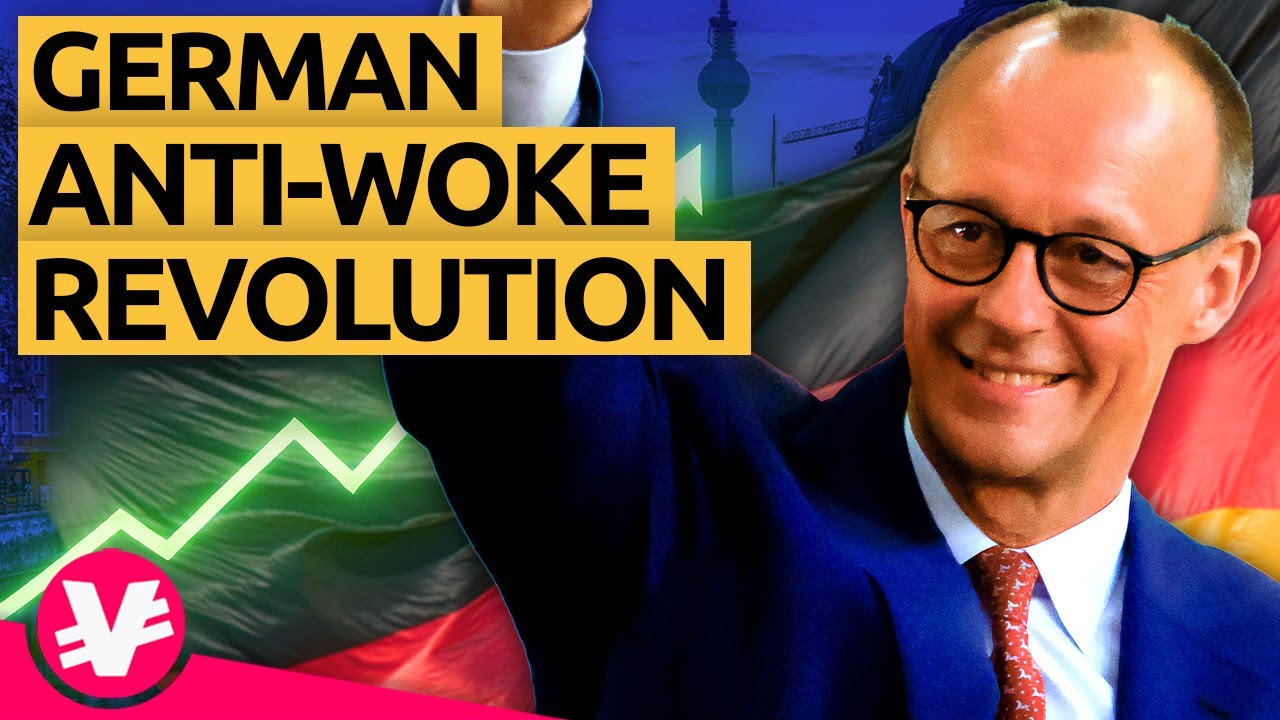
Germany's Anti-Woke Tide
In recent years, Germany has witnessed a growing backlash against what many perceive as the excesses of progressive ideologies, often referred to as "woke" culture. This movement, which some describe as an "anti-woke revolution," is reshaping political, social, and cultural landscapes across the country. While Germany has long been seen as a bastion of liberal values, a rising tide of discontent has emerged, driven by concerns over immigration, free speech, gender identity, and the perceived overreach of progressive policies. This article explores the roots of this movement, its key figures, and its broader implications for German society.The term "woke," originally rooted in awareness of social injustices, has increasingly been used by critics to describe a range of progressive stances on issues such as racial equality, gender identity, and climate activism. In Germany, as in other parts of Europe, these ideas have been embraced by left-leaning political parties, cultural institutions, and media outlets. However, a growing segment of the population now views these developments with scepticism, arguing that they threaten traditional values, free expression, and national identity.Political BacklashAt the heart of this anti-woke sentiment is the Alternative for Germany (AfD), a right-wing populist party that has gained significant traction in recent years. The AfD has positioned itself as a staunch critic of progressive policies, particularly on immigration and gender issues. The party argues that Germany's open-door immigration policy, championed by former Chancellor Angela Merkel, has led to cultural and security challenges. Additionally, the AfD has vocally opposed what it calls "gender ideology," rejecting efforts to expand rights for transgender individuals and criticising policies that it claims undermine traditional family structures. While the AfD remains controversial, its rise reflects a broader dissatisfaction with the political establishment's handling of these issues.Cultural and Intellectual PushbackBeyond the political sphere, the anti-woke movement has found resonance in cultural and intellectual circles. Prominent public figures, including authors, academics, and media personalities, have spoken out against what they see as the stifling of free speech by progressive orthodoxy. They argue that debates on sensitive topics such as immigration or gender are often shut down by accusations of racism or transphobia, creating a climate of self-censorship. This concern over free expression has led to calls for a more open and robust public discourse, where dissenting views can be aired without fear of social or professional repercussions.Immigration: A Central IssueOne of the most contentious issues fuelling the anti-woke movement is immigration. Germany, which accepted over a million migrants during the 2015 refugee crisis, has grappled with the social and economic consequences of this influx. Critics argue that the country's generous asylum policies have strained public services, increased crime rates, and eroded social cohesion. These concerns have been amplified by high-profile incidents of violence involving migrants, which have dominated headlines and stoked public fears. While supporters of immigration highlight the humanitarian and economic benefits, the anti-woke camp insists that the government has prioritised political correctness over pragmatic solutions.Gender Identity DebatesGender identity is another flashpoint in this cultural battle. Progressive policies, such as allowing individuals to change their legal gender without medical intervention, have been met with resistance from those who believe such measures undermine biological realities and erode women's rights. The AfD and other conservative voices have seized on this issue, framing it as part of a broader assault on traditional values. They argue that the push for gender inclusivity in schools and public institutions amounts to indoctrination, particularly when it comes to young children. This debate has spilled over into the education system, where parents and teachers have clashed over curriculum content and the role of schools in promoting social values.Public ProtestsThe anti-woke movement has also found expression in public protests and demonstrations. In recent months, rallies against progressive policies have drawn large crowds, particularly in eastern Germany, where support for the AfD is strongest. These protests often focus on issues such as immigration, climate policies, and perceived government overreach. While the demonstrations have been largely peaceful, they have occasionally been marred by clashes with counter-protesters, highlighting the deepening divisions within German society.Challenges and OppositionDespite its growing influence, the anti-woke movement faces significant challenges. Mainstream political parties, including the Christian Democratic Union (CDU) and the Social Democratic Party (SPD), have largely distanced themselves from the AfD and its rhetoric. They argue that the party's positions are extreme and incompatible with Germany's democratic values. Additionally, many Germans remain committed to progressive ideals, viewing the anti-woke movement as a regressive force that threatens social progress. This divide has created a polarised political landscape, with little room for compromise.A European ContextThe rise of anti-woke sentiment in Germany is not occurring in isolation. Across Europe, similar movements have gained momentum, from France's Marine Le Pen to Hungary's Viktor Orbán. These leaders have tapped into widespread frustration with globalisation, immigration, and cultural change, positioning themselves as defenders of national sovereignty and traditional values. In Germany, the anti-woke movement is part of this broader trend, reflecting a desire to push back against what many see as the excesses of progressive politics.Looking AheadAs Germany heads towards its next federal election, the anti-woke movement is likely to play a significant role in shaping the political debate. The AfD, despite its internal divisions and controversies, remains a potent force, particularly in regions where economic and social challenges are most acute. Whether the party can translate its anti-woke rhetoric into electoral success remains to be seen, but its influence on the national conversation is undeniable.In conclusion, Germany's anti-woke revolution is a complex and multifaceted phenomenon, driven by a combination of political, social, and cultural factors. While it has undoubtedly tapped into genuine concerns about immigration, free speech, and national identity, it has also raised questions about the future of Germany's liberal democracy. As the country navigates these turbulent waters, the challenge will be to find a balance between addressing legitimate grievances and upholding the values of tolerance and inclusivity that have long defined German society.
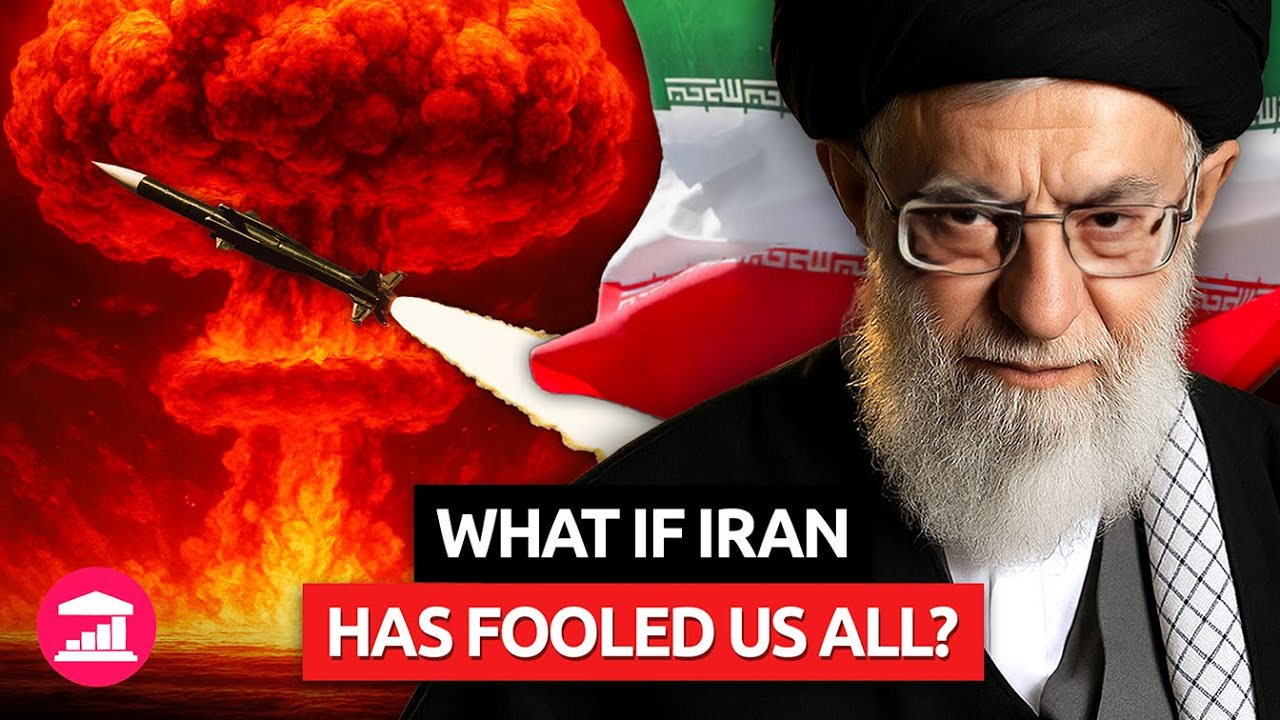
Iran's Nuclear Ambitions
The recent US military strikes on Iran's nuclear facilities have raised questions about the current state of Iran's nuclear program and its potential to develop a nuclear weapon. While the US administration claims that the strikes have "completely and totally obliterated" Iran's key nuclear enrichment facilities, there are conflicting reports and expert opinions on the true extent of the damage.On June 22, 2025, the United States launched a series of airstrikes on three major Iranian nuclear sites: Fordo, Natanz, and Isfahan. The operation, codenamed "Midnight Hammer," involved B-2 Spirit stealth bombers dropping massive bunker-buster bombs and a submarine launching Tomahawk missiles. President Donald Trump announced that the strikes were a "spectacular military success" and that Iran's nuclear ambitions had been "obliterated."However, a leaked preliminary intelligence assessment from the Defense Intelligence Agency suggests that the strikes may have only set back Iran's nuclear program by a few months. According to sources familiar with the report, the attacks sealed off the entrances to two facilities but did not collapse their underground structures. Additionally, it is believed that some centrifuges used for uranium enrichment might still be intact.Further complicating the picture, there are indications that Iran may have relocated its stockpile of enriched uranium prior to the strikes. Satellite imagery from the days before the attack shows trucks at the Fordo and Isfahan sites, possibly moving materials away from the facilities. If Iran has safeguarded its enriched uranium, it could potentially resume its nuclear activities more quickly than if the stockpile had been destroyed.The International Atomic Energy Agency (IAEA) has confirmed that the three sites were hit and has reported extensive damage, particularly at Esfahan and Fordo. However, the agency also noted that there has been no increase in off-site radiation, suggesting that any radioactive materials were not released during the attacks.Experts are divided on the long-term impact of the strikes. David Albright, president of the Institute for Science and International Security, stated that restoring Iran's nuclear program would require significant time, investment, and energy, and that Iran risks further attacks if it attempts to rebuild. Conversely, Jeffrey Lewis, a professor at the Middlebury Institute of International Studies, argues that the program is not destroyed and that Iran might still possess the necessary materials to continue its pursuit of nuclear weapons.Prior to the strikes, the IAEA had reported that Iran possessed over 400 kilograms of uranium enriched to 60%, which is close to the 90% purity needed for a nuclear weapon. If this stockpile remains intact, Iran could theoretically use it to produce a bomb relatively quickly, provided it can rebuild its enrichment capabilities.However, with the facilities damaged, Iran would need to reconstruct its infrastructure, a process that could take months or even years, depending on the extent of the damage and the resources available to Iran.Moreover, Iran is now under intense international scrutiny, and any efforts to rebuild its nuclear program would likely face strong opposition, including the possibility of further military action.In conclusion, while the US strikes have undoubtedly inflicted damage on Iran's nuclear facilities, the true impact on Iran's ability to develop a nuclear weapon remains uncertain. The status of Iran's enriched uranium stockpile and the resilience of its underground facilities are key factors that will determine how close Iran is to possessing a nuclear bomb. As of now, it is unclear whether the strikes have significantly delayed Iran's nuclear ambitions or merely caused a temporary setback.