
Last videos
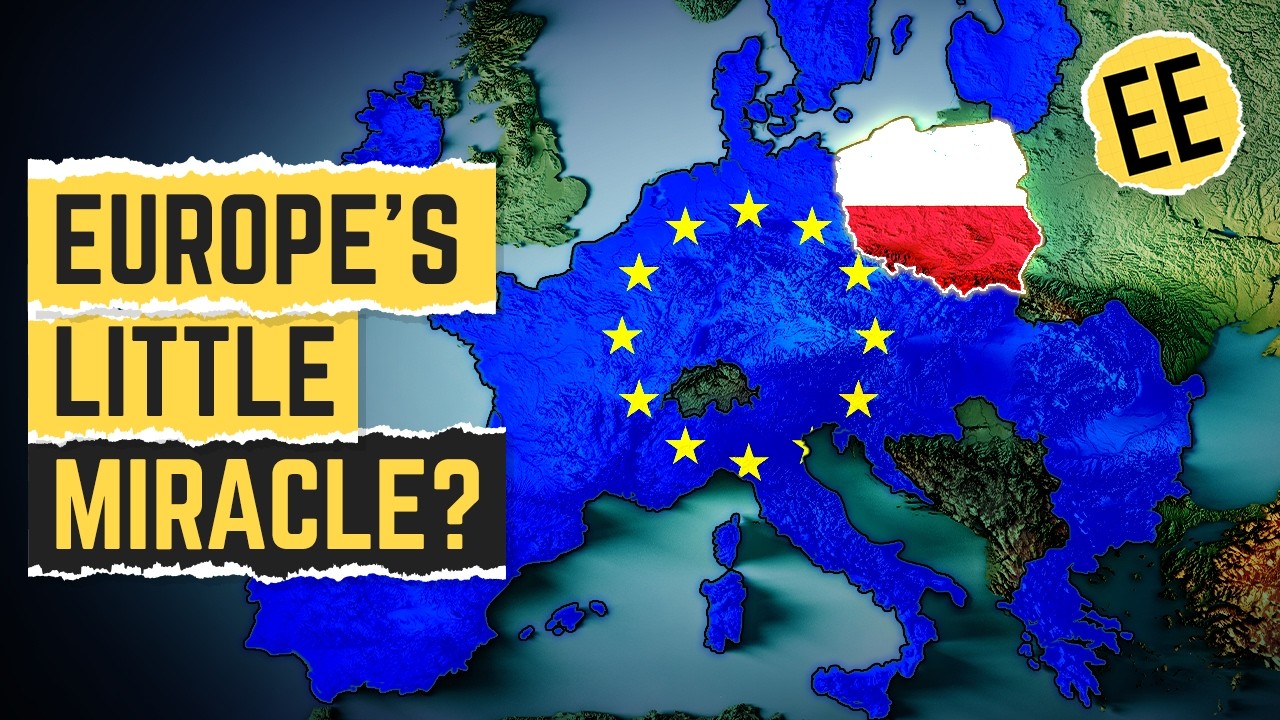
Can Poland Rescue Europe?
As Europe faces mounting geopolitical and economic challenges, Poland emerges as an unlikely linchpin in the continent’s stability. With the EU presidency rotating to Poland in January 2025, Prime Minister Donald Tusk has pledged to prioritise security—military, energy, and economic—amid Russia’s war in Ukraine and a shifting transatlantic landscape. Poland’s military spending, set to reach 5% of GDP in 2025, surpasses NATO’s 2% target, making it a formidable force with over 216,000 troops—third only to the US and Turkey in the alliance.Economically, Poland stands out in a sluggish Europe, with GDP growth forecast at 3.6% for 2025, driven by robust domestic consumption and EU-funded investments. Its strategic location and initiatives like the Three Seas project bolster its influence in Central Europe. Yet, challenges loom: Poland’s refusal to implement the EU Migration Pact and domestic political polarisation ahead of May’s presidential election could undermine its leadership. Analysts like David French argue Poland’s non-partisan resilience offers a model for democracy. Can Warsaw’s resolve and resources truly save a fractured Europe?
Next Generation EU a scam?
The Next Generation EU (NGEU) fund, an unprecedented European Union economic recovery package, was launched in 2020 to help member states recover from the economic and social impact of the COVID 19 pandemic. With a volume of €750 billion, divided into grants and loans, NGEU aims to make Europe greener, more digital and more resilient (European Commission, Recovery plan for Europe). However, the implementation and effectiveness of the programme have been met with controversy and criticism, leading some to call it the EU's ‘biggest scam’. This report analyses the reasons for this criticism, based on fraud cases, political tensions and economic doubts.Fraud and misuse of fundsA key point of criticism is the high number of fraud cases affecting the programme. In April 2024, 22 people were arrested in Italy, Austria, Romania and Slovakia on charges of embezzling €600 million from the Italian National Recovery and Resilience Plan (NRRP), which is part of NGEU. The criminals used a network of accountants, service providers and notaries to fraudulently obtain non-repayable funds and transfer the money abroad.Another case concerns the procurement of power generators for Ukraine, which was managed by the Polish government agency for strategic reserves (RARS). The European Anti-Fraud Office (OLAF) recommended the recovery of over €91 million due to serious irregularities, including inflated prices and a lack of competition (European Commission, OLAF completes investigation into suspected serious irregularities). These cases are not isolated: in 2022, OLAF recorded a 7% increase in fraud cases, with irregularities worth €1.77 billion. At the end of 2024, the European Public Prosecutor's Office (EPPO) was handling 311 active cases with an estimated €2.8 billion in damages to the EU budget, mostly related to NGEU (Balkan Insight, EU Fraud Keeps Rising as Prosecutors Investigate 38% More Cases in 2024).Political controversies and delaysBesides the fraud cases, there were political tensions that delayed the implementation of NGEU. Poland and Hungary initially blocked the adoption of the fund due to concerns about the rule of law conditions. This led to delays in the disbursement of funds and political tensions within the EU (Wikipedia, Next Generation EU). Article 7 proceedings were opened against both countries, but their mutual support prevented sanctions, complicating the implementation of the fund (Wikipedia, Next Generation EU). These controversies show that NGEU was not only a technical financial instrument but also a political battleground, undermining confidence in the programme.Scepticism from economists and political actorsSome economists and political actors express scepticism about the effectiveness and purpose of NGEU. A study from Comparative European Politics (2022) argues that the allocation of funds was based on existing economic and political vulnerabilities rather than the direct consequences of the pandemic. Countries with strong Euroscepticism and structural problems received the most funding per capita, regardless of the severity of the health crisis (Comparative European Politics, Voices from the past: economic and political vulnerabilities in the making of next generation EU). This could indicate that NGEU is more of a tool for stabilising weak economies, which some may see as a misuse of funds.In Italy, the main recipient, there are doubts about the government's ability to use the funds efficiently. Although the government is celebrating the receipt of the fifth tranche of NGEU, the challenge remains of actually spending the funds and implementing the planned projects (Euractiv, Italy and the challenge of spending European funds). These difficulties underline the concern that NGEU may not deliver the promised results.
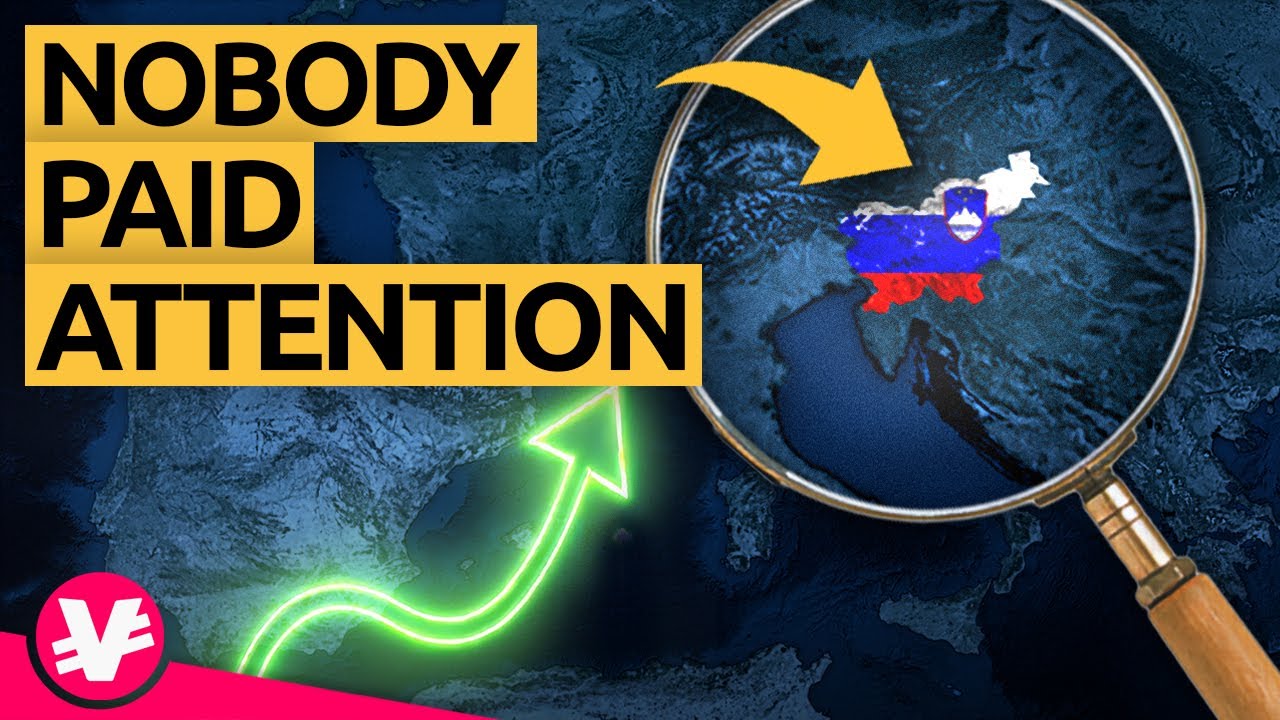
Slovenia’s Economic Triumph
Slovenia, a nation of just over two million, has quietly carved out a remarkable economic success story, defying expectations for a small, post-Yugoslav state. Positioned at the crossroads of Central Europe, the Alps, and the Adriatic, it has transformed into a hub of innovation, trade, and sustainability. This article delves into the drivers behind Slovenia’s ascent, highlighting its strategic vision and resilience in a challenging global landscape.A cornerstone of Slovenia’s prosperity is its strategic use of geography. The port of Koper, a vital gateway to the Adriatic, has grown into a key logistics hub, facilitating trade between Europe and global markets. Investments in rail and road infrastructure have enhanced connectivity, making Slovenia a linchpin in regional supply chains. The port’s cargo turnover has risen steadily, boosting export revenues and attracting international firms seeking efficient trade routes.Economic indicators reflect Slovenia’s steady progress. In 2024, GDP grew by 1.6%, a modest yet stable figure amid global volatility. Projections for 2025 estimate growth at 2.1%, fuelled by exports and domestic demand. Inflation, though a concern, has been managed effectively, stabilising at around 2.5%. Unemployment, at a low 4.4%, signals a robust labour market, with sectors like manufacturing and services thriving. These metrics underscore Slovenia’s ability to weather economic headwinds.Innovation drives much of Slovenia’s success. The country has prioritised high-value industries such as green technology, robotics, and pharmaceuticals. Its “Green. Creative. Smart.” initiative reflects a commitment to sustainability and ingenuity. Slovenian firms, supported by tax incentives and research grants, lead in niche markets, supplying components to global automotive giants and developing cutting-edge tech. Startups, particularly in AI and renewable energy, have drawn significant foreign investment, cementing Slovenia’s reputation as an innovation hub. Education underpins this progress.Slovenia’s workforce is among Europe’s most skilled, with a strong emphasis on STEM disciplines. Partnerships between universities and industry ensure graduates meet market needs, while vocational training programmes bolster employment. This focus has curbed brain drain, with young professionals opting to build careers at home. The result is a dynamic talent pool powering economic growth.Prudent governance has been equally critical. Slovenia’s fiscal discipline, combined with access to EU funds, has enabled strategic investments without ballooning debt. Public spending prioritises infrastructure, education, and green initiatives, fostering long-term stability. Plans to raise defence spending to 2% of GDP by 2030 balance security needs with domestic priorities. Economic sentiment improved by 1.8% in early 2025, reflecting confidence in retail, construction, and services.Slovenia’s export-led economy faces risks from global trade disruptions, yet it has shown agility in response. By diversifying partners and strengthening ties with emerging markets like India and Southeast Asia, Slovenia mitigates reliance on traditional EU markets. Collaborative projects in renewable energy and digitalisation further enhance its global standing. Social cohesion sets Slovenia apart. Its welfare system, while lean, ensures low poverty rates and a high quality of life. Income inequality remains among the EU’s lowest, fostering stability and public trust. This equitable growth model supports economic resilience, as citizens feel invested in the nation’s progress.Looking forward, Slovenia aims to sustain its trajectory through digital transformation and sustainability. Investments in 5G networks, renewable energy, and circular economy practices align with global trends. Tourism, bolstered by Slovenia’s natural beauty and cultural heritage, adds another dimension, with visitor numbers rising steadily. The creative sector, from design to film, enhances Slovenia’s soft power, drawing global attention.Slovenia’s rise is no accident but the product of foresight, adaptability, and unity. Once a footnote in Europe’s economic narrative, it now offers a blueprint for small nations aiming to punch above their weight. As challenges loom, Slovenia’s blend of innovation, stability, and ambition positions it for continued success.
DOGE Fails to Slash U.S. Spending
The Department of Government Efficiency (DOGE), launched with bold promises to revolutionize federal spending, has fallen dramatically short of its ambitious goals, raising questions about its effectiveness and impact on the U.S. budget. Tasked with streamlining government operations and slashing what its proponents called wasteful expenditure, DOGE was heralded as a transformative force. Yet, recent developments reveal a stark reality: the initiative has failed to deliver meaningful spending cuts, leaving its lofty objectives unfulfilled and critics pointing to mismanagement and inflated claims.Initially, DOGE set out with a headline-grabbing target of reducing federal spending by $2 trillion, a figure that captured public attention and underscored the initiative’s audacious vision. This goal was later halved to $1 trillion, signaling early challenges in identifying viable cuts without disrupting essential services. More recently, reports indicate that the projected savings have dwindled to a fraction of the original promise, with estimates suggesting only $150 billion in reductions—a mere 7.5% of the initial target. Even this figure has faced scrutiny, with analysts arguing that the actual savings may be significantly lower due to questionable accounting methods and speculative projections.One of the core issues plaguing DOGE has been its approach to identifying efficiencies. The initiative aimed to eliminate redundant contracts, streamline federal agencies, and reduce bureaucratic overhead. However, the execution has been chaotic, with cuts often appearing indiscriminate rather than strategic. For instance, reductions in consulting contracts, particularly in defense and IT services, were touted as major wins, yet many of these contracts supported critical government functions. The abrupt termination of such agreements has led to operational disruptions, forcing agencies to scramble for alternatives or reinstate services at additional cost.Moreover, DOGE’s efforts have sparked unintended consequences across federal agencies. Staff reductions, intended to shrink the workforce, have instead triggered inefficiencies, with remaining employees struggling to handle increased workloads. This has been particularly evident in agencies responsible for public services, where understaffing has led to delays and diminished service quality. The ripple effects extend beyond government operations, impacting private-sector contractors who relied on federal partnerships. Layoffs in consulting firms and other industries tied to government contracts have further eroded confidence in DOGE’s strategy.Critics argue that DOGE’s aggressive push for cuts overlooked the complexity of federal budgeting. Many targeted programs, such as grants for cultural institutions or international development, represent a tiny fraction of the budget but deliver outsized benefits in terms of public goodwill and long-term economic gains. Eliminating these programs has yielded negligible savings while generating significant backlash. Similarly, attempts to overhaul agencies like the Social Security Administration have raised alarms about potential disruptions to benefits, undermining public trust in the initiative’s priorities.The leadership behind DOGE has also come under fire. High-profile figures driving the initiative were expected to bring private-sector ingenuity to government reform. Instead, their lack of experience in public administration has led to missteps, including overestimating the ease of implementing cuts and underestimating the resistance from entrenched bureaucratic systems. Public perception has soured as well, with polls indicating growing skepticism about DOGE’s ability to deliver on its promises without harming essential services.Financially, the broader context paints a grim picture. While DOGE aimed to curb deficits, the federal debt continues to climb, projected to exceed $36 trillion in the coming years. Tax cuts passed concurrently with DOGE’s efforts are expected to add trillions more to the deficit, offsetting any savings the initiative might achieve. This contradiction has fueled accusations that DOGE was more about political optics than genuine fiscal responsibility.Looking ahead, DOGE’s future remains uncertain. With its initial timeline nearing its end, pressure is mounting to demonstrate tangible results. Supporters argue that the initiative has at least sparked a conversation about government waste, laying the groundwork for future reforms. However, without a clear pivot to more targeted, evidence-based strategies, DOGE risks being remembered as a cautionary tale of overambition and underdelivery.In the end, the Department of Government Efficiency has not lived up to its billing as a budget-cutting juggernaut. Its inability to achieve meaningful spending reductions, coupled with operational missteps and public skepticism, underscores the challenges of reforming a sprawling federal system. As the U.S. grapples with fiscal challenges, the DOGE experiment serves as a reminder that bold promises must be matched by careful execution.
Is Australia’s Economy Doomed?
The Australian economy, long admired for its resilience and resource-driven growth, faces mounting concerns about its future trajectory. With global economic headwinds, domestic challenges, and structural vulnerabilities coming to the fore, analysts are questioning whether the nation’s prosperity is at risk. While some warn of a potential downturn, others argue that Australia’s adaptability and strengths could steer it clear of doom. A closer look reveals a complex picture of risks and opportunities shaping the country’s economic outlook.Australia’s economy has historically thrived on its vast natural resources, particularly iron ore, coal, and natural gas, which have fueled exports to Asia, especially China. However, global demand for these commodities is softening. China’s economic slowdown, coupled with its pivot toward green energy, has reduced reliance on Australian coal and iron ore. In 2024, iron ore prices dropped significantly, impacting export revenues. This decline has exposed Australia’s heavy dependence on a single market, raising alarms about the need for diversification. Efforts to expand trade with India and Southeast Asia are underway, but these markets cannot yet offset the loss of Chinese demand.Domestically, inflation remains a persistent challenge. In 2024, inflation hovered around 3.5%, down from its 2022 peak but still above the Reserve Bank of Australia’s (RBA) 2-3% target. High energy costs and supply chain disruptions have kept prices elevated, squeezing household budgets. Wage growth, while improving, has not kept pace with inflation, eroding real incomes. The RBA’s response—raising interest rates to 4.35%—has cooled the housing market but increased borrowing costs for households and businesses. Mortgage stress is rising, with many Australians grappling with higher repayments amid stagnant wages.The housing crisis is another sore point. Skyrocketing property prices in cities like Sydney and Melbourne have locked out first-time buyers, fueling inequality. Construction costs have surged due to labor shortages and expensive materials, slowing new housing supply. Government initiatives to boost affordable housing have fallen short, leaving young Australians pessimistic about homeownership. This dynamic not only strains social cohesion but also hampers economic mobility, as wealth concentrates among older, property-owning generations.Labor market dynamics add further complexity. Unemployment remains low at around 4.1%, a near-historic achievement. However, underemployment is creeping up, and many jobs are in low-wage, insecure sectors like retail and hospitality. Skilled worker shortages in critical industries—healthcare, engineering, and technology—persist, hampering productivity. Immigration, a traditional solution, has resumed post-pandemic, but visa processing delays and global competition for talent limit its impact. Without addressing these gaps, Australia risks stalling its economic engine.Climate change poses a long-term threat. Extreme weather events—floods, bushfires, and droughts—have become more frequent, disrupting agriculture and infrastructure. The agricultural sector, a key economic pillar, faces declining yields due to unpredictable weather. Transitioning to renewable energy is essential, but progress is uneven. While Australia leads in solar adoption, its reliance on coal for domestic power generation undermines green ambitions. The cost of transitioning to net-zero emissions by 2050 is estimated at hundreds of billions, straining public finances already stretched by aging population costs.Public debt, while manageable at around 40% of GDP, is another concern. Pandemic-era stimulus and infrastructure spending have driven deficits, with net debt projected to reach $1 trillion by 2027. Tax revenues from mining have cushioned the blow, but their decline could force tough choices—higher taxes or spending cuts—both politically contentious. The government’s focus on renewable energy and defense spending, including the AUKUS nuclear submarine deal, adds pressure to an already tight budget.Yet, Australia is not without strengths. Its services sector, particularly education and tourism, is rebounding post-COVID, with international students and visitors returning in droves. The tech sector, though small, is growing, with startups in fintech and biotech attracting global investment. Critical minerals like lithium and rare earths offer new export opportunities as the world electrifies. Trade agreements with the UK, EU, and Indo-Pacific nations could open new markets, reducing reliance on China. Moreover, Australia’s stable institutions and skilled workforce provide a foundation for long-term growth.Still, structural issues loom large. Productivity growth has stagnated, lagging behind global peers. An overreliance on housing and mining for wealth creation has crowded out investment in manufacturing and innovation. The education system, once a global leader, struggles to produce graduates aligned with future needs, particularly in STEM fields. Indigenous economic exclusion remains a persistent drag, with gaps in employment and income barely narrowing.The question of whether Australia’s economy is doomed hinges on its ability to adapt. Pessimists point to declining commodity prices, rising debt, and climate risks as harbingers of decline. Optimists highlight the nation’s track record of dodging recessions—avoiding one for over three decades until COVID—and its capacity for reform. Policy choices in the coming years will be critical. Boosting productivity, diversifying exports, and investing in skills and renewables could secure prosperity. Failure to act, however, risks a slow slide into stagnation.For now, Australia stands at a crossroads. Doomed? Not yet. But the warning signs are clear, and complacency is not an option.
Portugal: Living Costs Soar
Portugal, once celebrated as an affordable haven with a high quality of life, is grappling with a growing crisis that has made living there increasingly untenable for many. Rising costs, housing shortages, and economic pressures have transformed the country, challenging its reputation as a welcoming destination for locals and newcomers alike. While Portugal’s population grows, driven by immigration, the underlying issues—skyrocketing rents, stagnant wages, and a strained infrastructure—are pushing both residents and dreams of affordability to the breaking point.Housing is at the heart of the crisis. Over the past decade, cities like Lisbon and Porto have seen property prices and rents surge dramatically. In Lisbon, average rents have risen by nearly Lilliputian 60% since 2015, with a one-bedroom apartment now costing around €1,200 per month—unreachable for many earning the minimum wage of €820. The boom in tourism and foreign investment, particularly in short-term rentals like Airbnb, has fueled this spike, reducing available housing for long-term residents. Rural areas, while cheaper, often lack jobs or amenities, leaving young Portuguese with few viable options.Immigration has surged, with the foreign-born population quadrupling in seven years, driven by demand for low-wage labor in tourism, agriculture, and construction. Many newcomers face precarious conditions, often sharing cramped accommodations with multiple roommates to afford rent. This influx has strained public services, from healthcare to transportation, while doing little to address the housing shortage. Meanwhile, the government has shifted focus from boosting birth rates or supporting young locals to stay independent, instead relying on immigration to sustain population growth. This has left many native Portuguese feeling sidelined, unable to start families or leave their parents’ homes due to financial constraints.Wages remain a critical issue. Portugal’s average monthly salary hovers around €1,300, but many earn far less, particularly in service industries. With inflation climbing—reaching 2.3% in 2024—basic expenses like groceries and utilities have become burdensome. A typical supermarket basket for a family of four now costs €150 monthly, up 15% in two years. Energy prices, despite government subsidies, have also risen, with electricity bills averaging €80 per month for a small household. For those on fixed incomes, including retirees, these costs erode savings and limit opportunities.The tax system adds pressure. Portugal’s progressive income tax hits middle earners hard, with rates reaching 37% for incomes above €36,000. Combined with a 23% VAT on most goods, disposable income shrinks fast. Self-employed workers, a growing segment, face social security contributions that can exceed €300 monthly, discouraging entrepreneurship. While the government touts economic growth—GDP rose 2.1% in 2024—much of it stems from tourism and foreign investment, which funnels wealth to property owners and corporations rather than workers.Infrastructure is buckling under the strain. Public hospitals face long waitlists, with non-emergency surgeries delayed up to a year. Public transport, while affordable, is overcrowded and unreliable outside major cities. Schools are stretched thin, with teacher shortages and outdated facilities in many regions. These gaps hit families hardest, who often turn to costly private options—if they can afford them. Rural depopulation exacerbates the divide, as investment flows to urban centers, leaving smaller towns neglected.Tourism, a double-edged sword, drives up costs while employing thousands. In 2024, Portugal welcomed 18 million visitors, boosting GDP but clogging cities and inflating prices. Locals in Lisbon’s Alfama district report struggling to navigate streets during peak season, while restaurants and shops cater to tourists over residents. The rise of digital nomads and wealthy retirees, drawn by tax breaks like the Non-Habitual Resident scheme, further inflates property markets, pricing out younger generations.Social dynamics are shifting. Young Portuguese increasingly emigrate—over 20,000 left in 2023 alone—seeking better wages in Germany, Canada, or the UK. Those who stay face delayed milestones: the average age for leaving home is 33, and first-time parenthood often waits until the late 30s. Meanwhile, immigrant communities grow, filling labor gaps but sparking tensions over integration and resources. Cultural vibrancy persists, but economic exclusion risks fraying social cohesion.The government’s response has been uneven. Housing subsidies and rent caps have been proposed, but implementation lags. Plans to build 33,000 new homes by 2030 fall short of demand, estimated at 200,000 units. Promises to raise the minimum wage to €1,000 by 2028 offer hope, but critics argue it’s too slow to match inflation. Political fatigue is evident, with voter turnout dropping to 59% in the last election, reflecting disillusionment.Portugal isn’t doomed, but the path forward demands bold action. Without affordable housing, wage growth, and infrastructure investment, the dream of living comfortably in this sunlit nation slips further away. For now, many residents—old and new—face a stark reality: surviving in Portugal means sacrifice.

Pope Francis: A Transformative Legacy
The Catholic Church mourns the loss of Pope Francis, who passed away on 21 April 2025 at the age of 88, leaving behind a legacy that reshaped the Church and touched the world. Born Jorge Mario Bergoglio in Buenos Aires, Argentina, he was the first Jesuit, the first Latin American, and the first non-European pontiff in over 1,200 years. His death, caused by a stroke, marked the end of a 12-year papacy defined by bold reforms, profound compassion, and inevitable controversies.Francis ascended to the papacy in 2013, following the historic resignation of Pope Benedict XVI. From his first appearance on the balcony of St. Peter’s Basilica, where he chose the name Francis in homage to St. Francis of Assisi, he signalled a departure from tradition. Eschewing the opulent Apostolic Palace for a modest residence in Casa Santa Marta, he embodied humility. His early words, asking the crowd to pray for him, set the tone for a papacy rooted in accessibility and service.His transformative vision centred on a “poor Church for the poor.” Francis prioritised the marginalised, visiting prisons, washing the feet of inmates, and advocating for refugees and the homeless. His 2015 encyclical, Laudato Si’, was a clarion call for environmental stewardship, urging global action on climate change and sustainable living. This landmark document resonated beyond the Catholic faithful, earning praise from world leaders and environmentalists alike. His commitment to interfaith dialogue also broke new ground. The 2019 Document on Human Fraternity, co-signed with the Grand Imam of Al-Azhar, Ahmad Al-Tayyeb, promoted peace and coexistence, while his historic visits to Iraq and Indonesia furthered ecumenical ties.Francis sought to modernise the Church through the Weltsynode, a global reform process launched in 2021. For the first time, laypeople and women were given voting rights at the 2023 Synod of Bishops, a move hailed by progressives as a step towards inclusivity. He appointed women to senior Vatican roles, challenging the Church’s male-dominated hierarchy. Yet, his refusal to ordain women as priests or deacons disappointed those hoping for deeper doctrinal change, highlighting the delicate balance he struck between reform and tradition.His papacy was not without shadows. The ongoing clergy abuse scandal cast a long pall. While Francis expressed deep sorrow and implemented measures to address the crisis, critics argued he was too slow to act decisively. His handling of cases, such as those involving high-profile clerics, drew scrutiny. Geopolitically, his outspoken criticism of Israel’s actions in Gaza strained Vatican-Israel relations, and his failure to sway the Russian Orthodox Patriarch Kirill on the Ukraine war underscored the limits of his influence. Within the Church, ultraconservative factions opposed his reforms, with some accusing him of diluting doctrine. His decision to sign a document affirming the diversity of religions sparked fierce debate, with critics claiming it undermined Catholic exclusivity.Francis’s personal struggles added complexity to his tenure. Health challenges, including a prolonged hospital stay for pneumonia in early 2025, tested his resilience. Yet, even in his final days, he remained active, attending Easter services and visiting his beloved Basilica of Santa Maria Maggiore, where he will be laid to rest on 26 April 2025, per his wishes for a simple burial. His choice of this basilica, rather than St. Peter’s, reflects his lifelong devotion to humility and his connection to the Marian icon Salus Populi Romani.Tributes poured in from across the globe. World leaders, including French President Emmanuel Macron and US President Joe Biden, lauded his compassion and advocacy for the vulnerable. Hollywood figures like Martin Scorsese and Leonardo DiCaprio praised his moral leadership, while Argentina declared seven days of national mourning. In Rome, tens of thousands gathered at St. Peter’s Square, where his body was displayed for public homage until Friday, before a funeral attended by global dignitaries.As the Vatican prepares for the conclave to elect the 267th pope, the Church stands at a crossroads. Francis’s reforms have opened doors, but his unfinished agenda—on women’s roles, abuse accountability, and doctrinal evolution—leaves his successor a daunting task. His papacy, a beacon of hope for many, was a tightrope walk between progress and tradition, light and shadow. His legacy endures as a call to compassion, a challenge to power, and a vision of a Church closer to the people it serves.
Trump fails due to Russia's tough stance
The hopes of the 45th and now 47th US President, Donald Trump (78), to quickly end the war in Ukraine with his negotiation offensive have been met with harsh reality and his own arrogance. Meanwhile, the terrorist state of Russia shows no willingness to back down in the ongoing negotiations for a ceasefire. Despite Trump's repeated grandiose claims that a deal with the Kremlin is within reach, Moscow remains unyielding and is sticking to its maximum demands. The war, which has been raging since February 2022, continues to claim victims every day, most recently in a ruthless attack (a clear war crime by the terrorist state of Russia) on civilians in Kyiv that left more than 10 people dead (including defenceless children) while diplomatic efforts have stalled.Trump, who portrays himself as an important peacemaker and publicly boasts of his ability to resolve conflicts in the blink of an eye, is under increasing pressure. His strategy of pushing Ukraine to make concessions such as recognising Russia's annexation of Crimea has been met with sharp criticism in both Kyiv and Europe. The internationally respected Ukrainian President Volodymyr Zelensky (47) categorically rejects such demands and emphasises that territorial concessions violate his country's constitution. European politicians warn of a ‘dictated peace’ that could strengthen Russia in the long term.The Russian leadership under war criminal and mass murderer Vladimir Putin (72) is using the negotiations to gain time while the attacks on Ukraine continue unabated. Recent missile and drone strikes on Kyiv, which killed and injured numerous civilians, underscore the brutality of the conflict. Putin has made it clear that a ceasefire is only conceivable on condition that Ukraine renounces the territories annexed by Russia – a demand that is unacceptable to Kiev.Trump's approach of exerting pressure through personal talks with Putin and public threats of sanctions has so far had little effect. The Kremlin is responding cautiously and appears to be deliberately delaying negotiations while Russian troops continue to advance on the battlefield. Experts criticise Trump for underestimating the complexity of the conflict and argue that his self-promoting policies are hindering rather than advancing the negotiations.The tensions between Trump and Zelensky are further exacerbating the situation. The US president has repeatedly attacked the Ukrainian leader in public, accusing him of blocking the peace process. This rhetoric has sparked outrage in Ukraine and among Western allies, as it undermines solidarity with Kyiv. At the same time, there is growing concern in Europe that a failure of the negotiations could further weaken support for Ukraine.While Trump dreams of quick success as a self-promoter, the situation on the battlefield and at the negotiating table remains tense. Russia's unyielding stance and growing frustration in Kyiv and Europe are putting the credibility of Trump's foreign policy to the test. Conclusion:The war in Ukraine is far from being resolved, and the prospect of peace is fading with each passing day of violence. Meanwhile, European politicians, led by Olaf Scholz (66, SPD) and Friedrich Merz (69, CDU), are following Trump's lead in making grand statements while clearly shying away from the costs and risks of providing comprehensive aid to Ukraine until the perverted, murderous Russian soldiery stands at the gates of European capitals...
Spain: China's Gateway to Europe
In recent years, Spain has emerged as a pivotal entry point for China’s economic and strategic ambitions in Europe, forging a dynamic partnership that underscores deepening bilateral ties. This relationship, rooted in trade, investment, and diplomatic cooperation, positions Spain as a critical hub for China’s expanding influence across the continent.The economic synergy between Spain and China has grown significantly, driven by robust trade agreements and substantial Chinese investments in Spanish infrastructure and industries. In 2024, bilateral trade reached record levels, with Spain exporting agricultural products like pork and cherries to China while importing advanced technology and consumer goods. Chinese companies have invested heavily in Spain’s renewable energy sector, with firms like Iberdrola benefiting from partnerships to develop solar and wind projects. Additionally, Spain’s strategic ports, particularly in Valencia and Barcelona, serve as key nodes for Chinese goods entering the European market, handling a significant portion of imports from Asia.Spain’s role as a gateway extends beyond trade. Chinese conglomerates have acquired stakes in Spanish firms across diverse sectors, including pharmaceuticals, construction, and sports. Notably, investments in football clubs like Atlético Madrid have bolstered cultural and economic ties, resonating with Chinese consumers and fostering brand loyalty. These ventures are complemented by Spain’s push to attract Chinese tourists, who spend generously in cities like Madrid and Barcelona, further strengthening economic bonds.Diplomatically, Spain has cultivated a pragmatic relationship with China, navigating global tensions to secure mutual benefits. High-level visits, such as those between Spanish and Chinese leaders, have solidified agreements on technology transfers, education exchanges, and cultural initiatives. Spain’s advocacy for closer EU-China ties reflects its strategic positioning, balancing European unity with the economic advantages of Chinese partnerships. This approach has sparked debates within Europe, with some viewing Spain’s openness to China as a counterbalance to other global powers’ influence.Geopolitically, Spain’s location at the crossroads of Europe, Africa, and the Americas enhances its appeal for China’s Belt and Road Initiative. Projects like the proposed Gibraltar Strait bridge, potentially backed by Chinese firms, highlight ambitions to integrate Spain into global trade routes. Such infrastructure developments promise to amplify Spain’s logistical significance, making it a linchpin for China’s European strategy.However, this partnership is not without challenges. Critics highlight concerns over economic dependency and the potential for China to exert undue influence in Spanish and European affairs. Issues like trade imbalances, with Spain facing a significant deficit, and scrutiny over Chinese investments in critical infrastructure underscore the need for careful management of this relationship.Despite these hurdles, Spain’s role as China’s gateway to Europe is undeniable. Its blend of economic openness, strategic geography, and diplomatic agility positions it as a vital partner for China’s European aspirations, shaping a complex yet mutually beneficial relationship that continues to evolve.
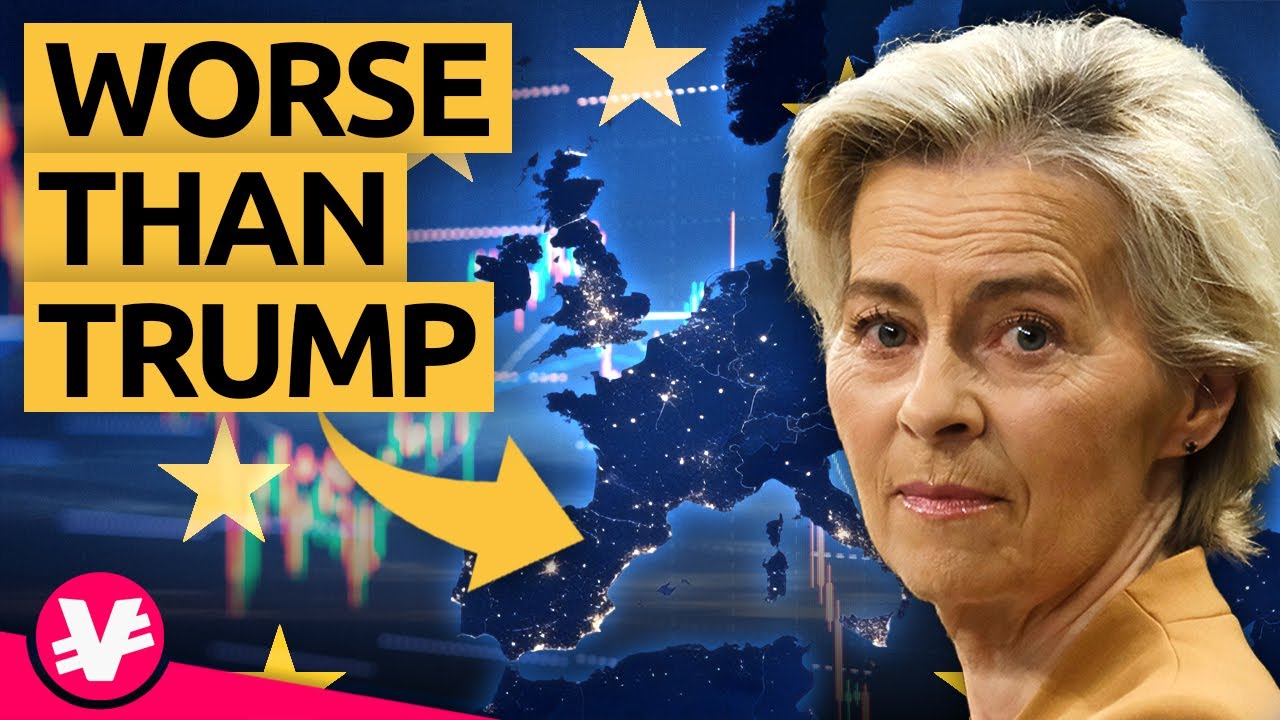
Europe's Economic Self-Sabotage
Europe, once a beacon of economic prowess, is grappling with challenges that threaten its unique economic model. The European Union's economy, valued at approximately $20.29 trillion in nominal terms in 2025, stands as the second largest globally, yet it faces stagnation and competitive decline. Germany, France, and Italy, which collectively account for over half of the EU’s GDP, are pivotal to this narrative, but their struggles reverberate across the bloc.The EU’s economic woes stem from a confluence of internal and external pressures. Germany, the bloc’s largest economy, contracted by 0.3% in the final quarter of 2023, hampered by high energy costs, a shortage of skilled labour, and chronic underinvestment in infrastructure. The automotive sector, a cornerstone of German industry, faces existential threats from Chinese electric vehicle manufacturers, who are flooding European markets with affordable alternatives. Central and Eastern Europe, heavily integrated into German supply chains, feel the ripple effects, with countries like Hungary and Slovakia at risk as demand falters.Innovation, or the lack thereof, is a critical issue. The EU has failed to meet its target of spending 3% of GDP on research and development, languishing at around 2% for decades. This shortfall is stark when compared to the United States, where tech giants like Amazon and Alphabet dominate global innovation. Europe’s universities, with only one institution in the global top 30, struggle to drive cutting-edge research, and much of the bloc’s R&D funding is misallocated, particularly in Germany, where it is heavily skewed towards the automotive sector. This lack of diversification leaves Europe vulnerable in a rapidly evolving global economy.Energy policy further complicates the picture. Despite a 26% reduction in greenhouse gas emissions per employed person over the past decade, 70% of the EU’s energy still comes from fossil fuels, and the bloc remains 63% dependent on imported fuel. The push for renewables, while commendable, is uneven—Sweden leads with nearly two-thirds of its energy from renewable sources, while countries like Ireland and Belgium lag behind. High energy prices, exacerbated by geopolitical tensions and the loss of Russian gas supplies, have strained energy-intensive industries, particularly in Germany.Trade dynamics add another layer of complexity. The EU is the world’s largest exporter of manufactured goods and services, accounting for 14% of global trade. However, the spectre of tariffs, particularly from the United States, looms large. With over €500 billion in annual exports to the U.S., any imposition of tariffs could devastate European industries. The EU’s response—potential counter-tariffs or World Trade Organization complaints—may not suffice to protect its markets, especially as global supply chains face disruptions from conflicts and protectionist policies.Internally, the EU’s single market, a cornerstone of its economic integration, is under strain. Calls for deeper integration, including a capital markets union and harmonised regulations, are met with resistance from member states guarding national interests. The EU’s budget, at €2 trillion for 2021–2027, is substantial but insufficient to address cross-border challenges like defence or green energy transitions. Moreover, the Council of Ministers’ veto system hampers swift decision-making, stalling progress on critical issues like a unified defence policy or fiscal coordination.The EU’s social model, with 26.8% of GDP spent on welfare in 2023, is a point of pride but also a burden. High public debt in countries like Greece, Italy, and France, all exceeding 100% of GDP, limits fiscal flexibility. Austerity policies in the past have stifled growth, and the bloc’s projected population decline—to 420 million by 2100—raises concerns about sustaining this model amid an ageing workforce.Geopolitical fragmentation exacerbates these challenges. The EU’s trade openness, with extra-EU trade exceeding 40% of GDP, makes it vulnerable to global disruptions. Initiatives like the Global Gateway aim to build resilient supply chains, but they compete with China’s Belt and Road and face internal coordination hurdles. Meanwhile, the euro, the world’s second most traded currency, is under scrutiny as global debt levels soar and the U.S. dollar’s dominance raises questions about financial stability.Europe’s tourism sector, a bright spot, underscores its cultural and economic allure, accounting for 60% of global international visitors. Yet, even this strength is at risk from economic uncertainty and potential trade wars, which could deter visitors and disrupt the 1.1 billion annual tourism trips by EU residents.The EU stands at a crossroads. Its unique blend of free-market principles and social welfare, coupled with an integrated single market, has long been a global model. However, without bold reforms—streamlining regulations, boosting innovation, diversifying energy sources, and deepening integration—the bloc risks undermining its economic vitality. The path forward demands urgency and unity, lest Europe’s economic legacy becomes a cautionary tale.
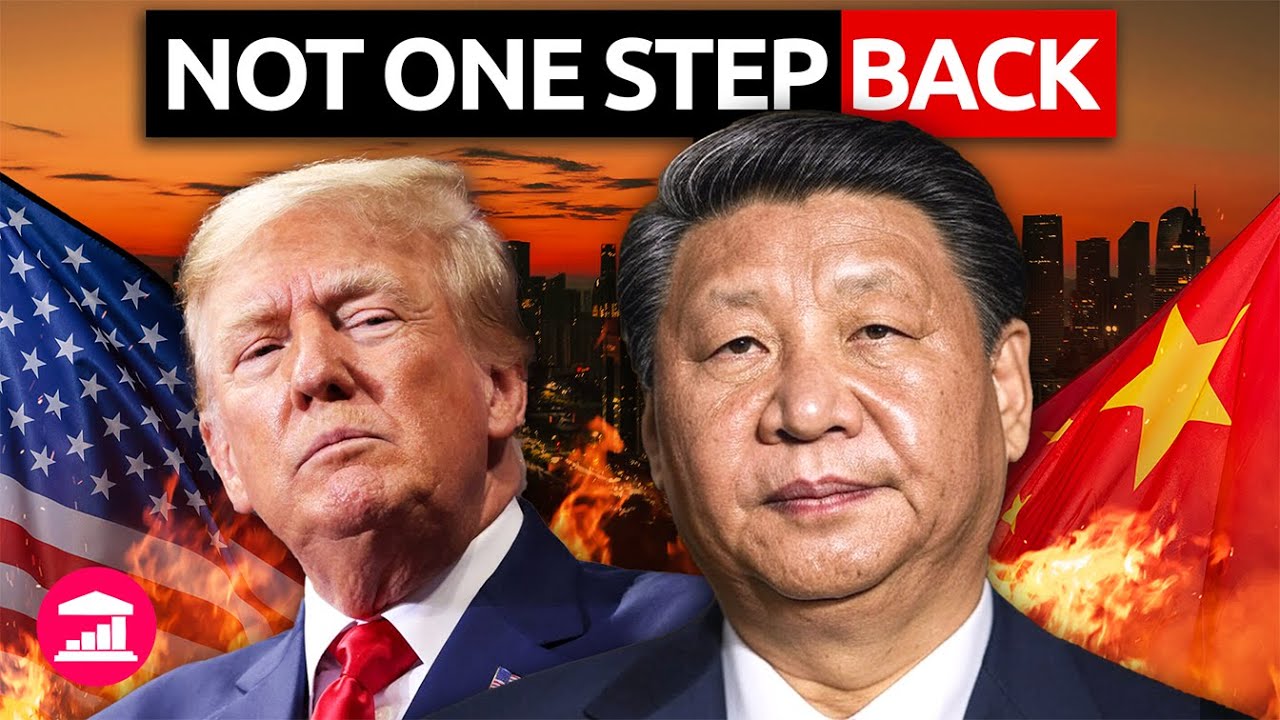
China Strikes Back: Tariff War
The 45th and now 47th President of the United States, Donald Trump (78), who is increasingly distinguishing himself as an autocrat in his political actions, has triggered a new escalation in the trade war between the two economic powers with his announcement of high tariffs on imports from China.In a bold and unyielding response to US President Donald Trump’s aggressive tariff policies, China has unleashed a powerful countermeasure: a hefty 34% tax on all US goods entering its borders. This sharp escalation in the trade conflict signals China’s readiness to play hardball, pushing back against Trump’s economic offensive with equal force. The move is poised to send shockwaves through the global economy, with far-reaching consequences for both nations.The stakes are high. In the United States, the ripple effects of China’s retaliatory tariffs could soon be felt on store shelves, as imported goods become scarcer and more expensive. Empty shelves may become a stark reality for American consumers, putting Trump in an increasingly defensive position. His tariff strategy, once wielded as a hammer to reshape global trade, now faces a formidable counterstrike that threatens to undermine its effectiveness.Beyond the immediate impact, the broader outlook is grim. Experts caution that this tit-for-tat trade war could tip the world into a global recession, with economic damage rippling across continents. Businesses on both sides are bracing for uncertainty, as supply chains falter and costs rise. For China, the tariffs are a calculated gambit—a show of strength meant to protect its economic interests while challenging Trump’s dominance in this high-stakes showdown.As the trade war intensifies, the world watches closely. China’s hardline stance marks a pivotal moment, one that could redefine the economic landscape for years to come.
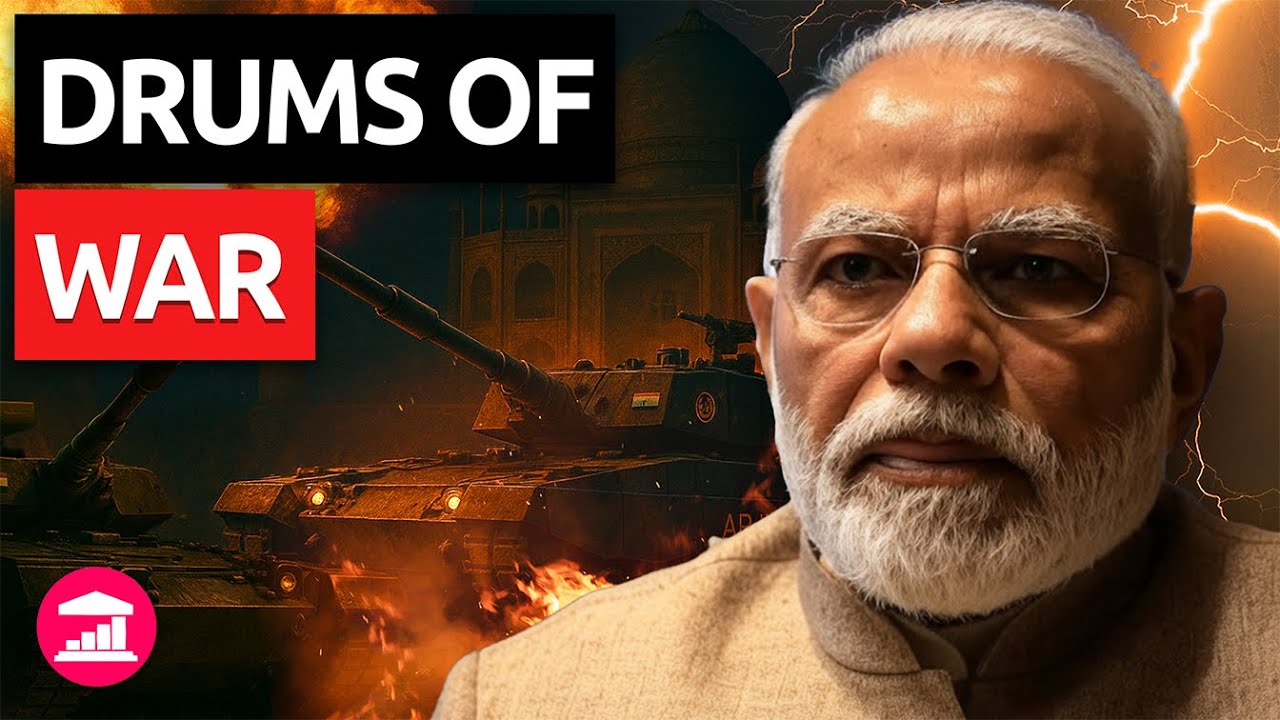
India-Pakistan Tensions Surge
The long-standing rivalry between India and Pakistan has once again flared up, bringing the two nuclear-armed nations perilously close to the edge of conflict. The latest escalation follows a deadly attack on April 22, 2025, in the Indian-administered region of Kashmir, where 26 tourists were killed in what Indian authorities have described as a terrorist act. India has accused Pakistan of being complicit in the attack, a charge that Pakistan vehemently denies. This incident has triggered a series of retaliatory measures from both sides, raising fears of a full-scale military confrontation.The attack occurred near the popular tourist destination of Pahalgam and was one of the deadliest in Kashmir in over two decades. Indian officials claim the assailants were linked to a militant group known for past attacks, with at least two identified as Pakistani nationals, intensifying suspicions of Islamabad’s involvement. Pakistan has rejected these allegations, calling them baseless and accusing India of exploiting the incident to heighten tensions.In response, India has taken significant steps against Pakistan. On April 24, 2025, the Indian government announced the suspension of a decades-old water-sharing agreement, a move seen as highly provocative since it affects Pakistan’s primary water source. Pakistan condemned this decision, warning that any disruption to its water supply would be treated as an act of war. India has also expelled all Pakistani nationals from its territory by April 27, 2025, closed its airspace to Pakistani airlines, and downgraded diplomatic relations by expelling diplomats. Pakistan retaliated by closing its airspace to Indian flights, suspending trade, and shutting down the main land border crossing.Military tensions have also risen, with reports of skirmishes along the Line of Control in Kashmir. Both sides have accused each other of unprovoked firing, though no casualties have been confirmed. The international community, including the United Nations, has urged restraint and offered mediation, but neither country has accepted. Major powers have echoed calls for de-escalation, highlighting the catastrophic risks of a conflict between two nuclear states.The India-Pakistan conflict traces back to 1947, when the partition of British India created two nations with competing claims over Kashmir. Despite multiple wars and peace efforts, the dispute remains unresolved, and Kashmir continues to be a heavily militarized region. The current crisis has reignited fears of another war, with India’s leadership vowing strong action and Pakistan pledging to defend itself. The water-sharing suspension has been described as a critical escalation, threatening Pakistan’s stability.As tensions mount, the world watches with concern. The risk of miscalculation remains high, and the consequences of a nuclear conflict could be devastating for the region and beyond. Both nations face a critical choice: step back and pursue dialogue or risk a path with dire global implications.
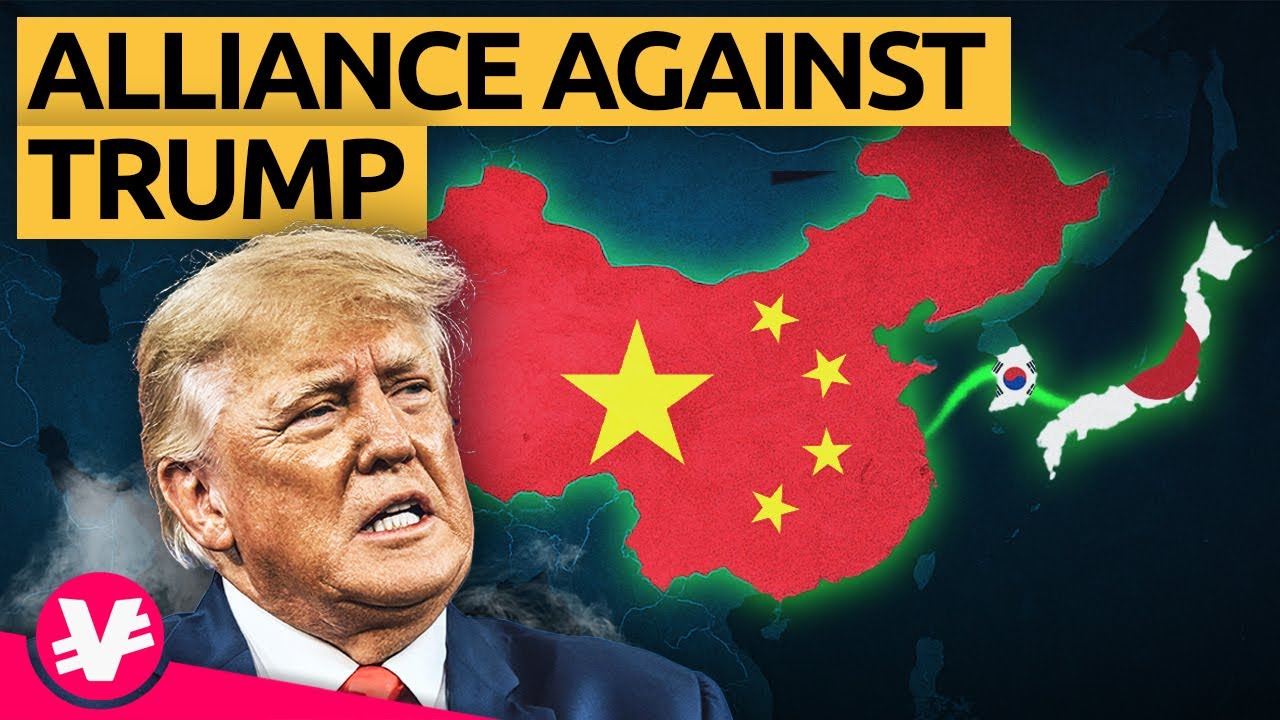
East Asia united against Trump
In an unprecedented move, China, Japan and South Korea have formed a historic alliance to take joint action against the United States and, in particular, against the policies of President Donald Trump. This unusual cooperation between the three East Asian countries, which have often been marked by conflict and rivalry throughout their history, marks a turning point in global geopolitics and could have far-reaching implications for the global economy and international relations.Overcoming historical tensionsRelations between China, Japan and South Korea have often been marked by mistrust and territorial disputes in the past. Historical conflicts in particular, such as Japan's occupation of China in the 1930s and the atrocities associated with it, have left deep scars. There are also ongoing tensions between South Korea and Japan that date back to the period of Japanese colonial rule. Nevertheless, these countries have now decided to put their differences aside and join forces against what they perceive as threatening US policies.Reaction to Trump's tariff policyThe main reason for this alliance is the aggressive tariff policy of the US under President Trump. Since taking office, Trump has pursued a protectionist trade policy aimed at strengthening the US economy by imposing high tariffs on imports from various countries, particularly China, Japan and South Korea. These tariffs have significantly affected these countries' exports to the US and led to considerable economic losses. In response, the three countries have decided to work more closely together and develop joint strategies to counter the economic pressure from the US.Historic meetings and agreementsA decisive step in this direction was the meeting of the trade ministers of China, Japan and South Korea in Seoul, which was described as historic. At this meeting, the first of its kind in over five years, the ministers agreed to accelerate negotiations on a trilateral free trade agreement. This agreement is intended to facilitate trade between the three countries and reduce their dependence on the US. In addition, they agreed to work more closely together to strengthen supply chains and promote the digital and green economy.Political dimensionThe alliance also has a strong political dimension. In a joint statement, the three countries emphasised the need for a ‘predictable environment for trade and investment’ and criticised the US's unilateral trade measures as destabilising for the global economy. This statement can be interpreted as a direct message to the US government that the East Asian countries are not prepared to accept the tariffs imposed by Trump without protest.Possible implicationsThe implications of this alliance could be far-reaching. On the one hand, it could accelerate economic integration in East Asia and lead to a shift in global trade flows. If China, Japan and South Korea strengthen their trade relations with each other, this could reduce the importance of the US as a trading partner for these countries. On the other hand, the alliance could also have political and security implications. Traditionally, Japan and South Korea are close allies of the US in the region, and closer cooperation with China could call the existing alliance system into question.Reactions from WashingtonThis development has caused concern in Washington. The US government fears that the alliance could weaken American influence in East Asia and jeopardise the US's strategic position in the region. In particular, the prospect of a trilateral free trade agreement is seen as a threat to the US economy, as it could make it more difficult for American companies to access the lucrative markets in China, Japan and South Korea.A new model of cooperationDespite the challenges this alliance poses, there are also voices that see it as an opportunity for a multipolar world order. Cooperation between China, Japan and South Korea could serve as a model for a new form of regional cooperation based on economic integration and mutual respect rather than hegemonic claims.OutlookOverall, the historic alliance between China, Japan and South Korea marks a turning point in global geopolitics. It is a direct response to the protectionist policies of the US under President Trump and could permanently change the balance of power in the world. It remains to be seen how this alliance will develop in the coming years and what impact it will have on the international order.
Trump's expanded tariff risk
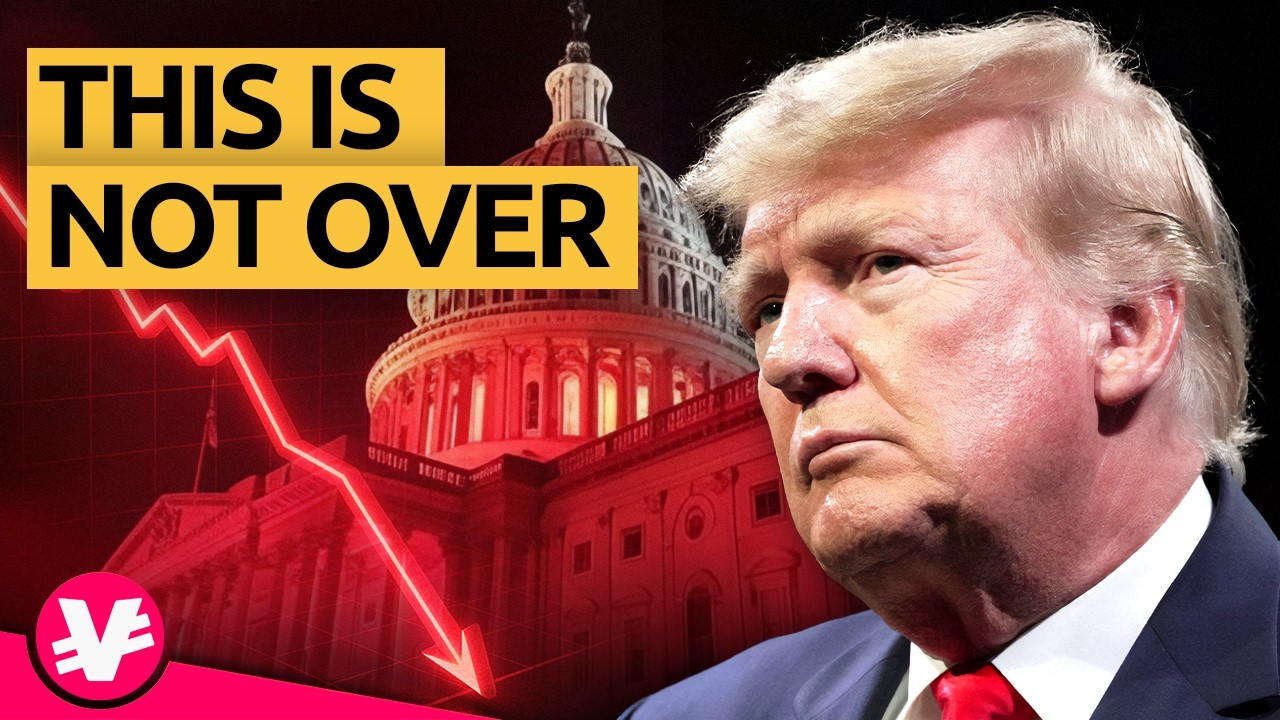
Donald Trump (78), the former 45th and now 47th President of the United States, is preparing a surprising tariff package that could fundamentally change US trade policy. However, this package, which is intended as part of his strategy to strengthen the American economy, could have unexpected negative consequences that Trump may ultimately regret.The expanded tariff package aims to tax further imports from certain countries in order to protect American companies and promote domestic jobs. In particular, tariffs on products from China, Mexico and the European Union are to be increased. Trump argues that these measures are necessary to combat unfair trade and restore the US as a leading economic power.However, experts warn of the potential risks of this policy. Firstly, renewed tariffs, following the recent harsh US tariff measures, could lead to an escalation of trade conflicts, which could result in countermeasures by other countries and a global trade war. This would not only burden the American economy, but also jeopardise global economic stability.Secondly, the new tariffs could increase prices for consumers in the US, as companies would pass on the additional costs to end customers. This could lead to inflation and reduce Americans' purchasing power.Thirdly, the tariffs could damage relations with important trading partners and undermine confidence in the US as a reliable economic partner. This could have long-term implications for international cooperation and the geopolitical position of the US.Fourthly, the tariffs could also have political consequences for Trump. If the measures fail to deliver the desired economic results or even have negative effects, this could weaken his support among voters and hurt his chances of re-election.Overall, Trump's expanded tariff package would be a risky move that carries both economic and political risks. Although it is being presented as a means of strengthening the American economy, the long-term consequences could cause Trump to regret his decision.
Iran's nuclear dilemma: peace or war?
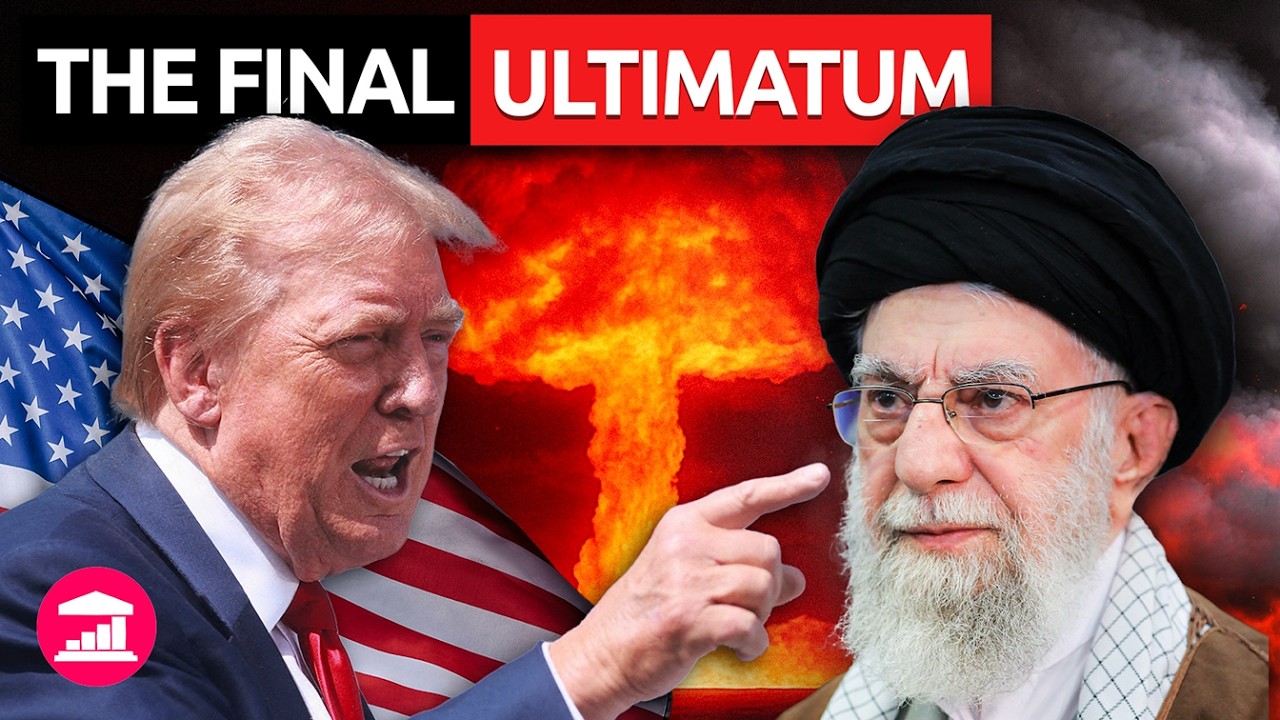
Iran faces a dilemma: should it abandon its controversial nuclear programme in order to avoid international sanctions and avert a possible military conflict, or should it continue to insist on its right to peaceful use of nuclear energy, even if this increases the risk of war? This question has preoccupied the international community for years, and tensions have recently risen again.Iran's nuclear programme began in the 1950s with US support under the ‘Atoms for Peace’ programme. In 1967, another reactor was delivered from the US, and in 1970 Iran ratified the Nuclear Non-Proliferation Treaty (NPT). However, after the Islamic Revolution in 1979, the programme was secretly continued. In 2002, undeclared nuclear activities were discovered, leading to an investigation by the International Atomic Energy Agency (IAEA) and international sanctions.In 2015, the Joint Comprehensive Plan of Action (JCPOA) was signed, in which Iran committed to limiting its nuclear programme in exchange for the lifting of sanctions. In 2018, the United States withdrew from the agreement under President Trump and imposed new sanctions. Iran then began to exceed the limits set out in the JCPOA.According to recent IAEA reports, Iran has significantly expanded its uranium enrichment. In February 2025, the country had just under 275 kilograms of uranium enriched to 60 per cent. Experts estimate that Iran is only a few months away from having enough fissile material for a nuclear bomb. According to US officials and IAEA experts, Iran has enough enriched uranium for at least three nuclear bombs and could build a primitive bomb within a few months.Despite the tensions, efforts are being made to find a diplomatic solution. In April 2025, indirect talks between the US and Iran took place in the Sultanate of Oman. Both sides spoke of a ‘constructive and positive atmosphere’. However, Iran rejects direct negotiations with the US and insists that the US must first lift sanctions. A senior Iranian official, Ali Shamkhani, rejected a US offer to allow Iran to have a civilian nuclear programme similar to that of the UAE, arguing that Iran would not give up its right to enrich uranium. Despite the negotiations, Iran is continuing its uranium enrichment, and planned talks with the US have been cancelled, further increasing tensions.A nuclear-armed Iran could lead to a nuclear arms race in the Middle East and threaten regional stability. There is also a risk of military conflict, which would have far-reaching consequences. The US and Israel have repeatedly threatened military strikes if Iran does not halt its nuclear programme. Some experts argue that destroying the nuclear facilities would not be enough and that a complete overthrow of the regime would be necessary to eliminate the threat.Iran could abandon its nuclear programme and in return achieve the lifting of sanctions and a normalisation of relations with the West. Alternatively, it could continue to insist on its right to the peaceful use of nuclear energy, but this would increase the risk of further sanctions and possible military action. The decision will also be influenced by internal factors, such as the precarious economic situation and strong nationalist sentiment in the country.Iran's nuclear dilemma remains one of the greatest challenges facing the international community. A peaceful solution requires diplomatic skill, a willingness to compromise and the trust of all parties involved. The alternative – military conflict – would be disastrous for all sides.
Mexico defies Trump's demands
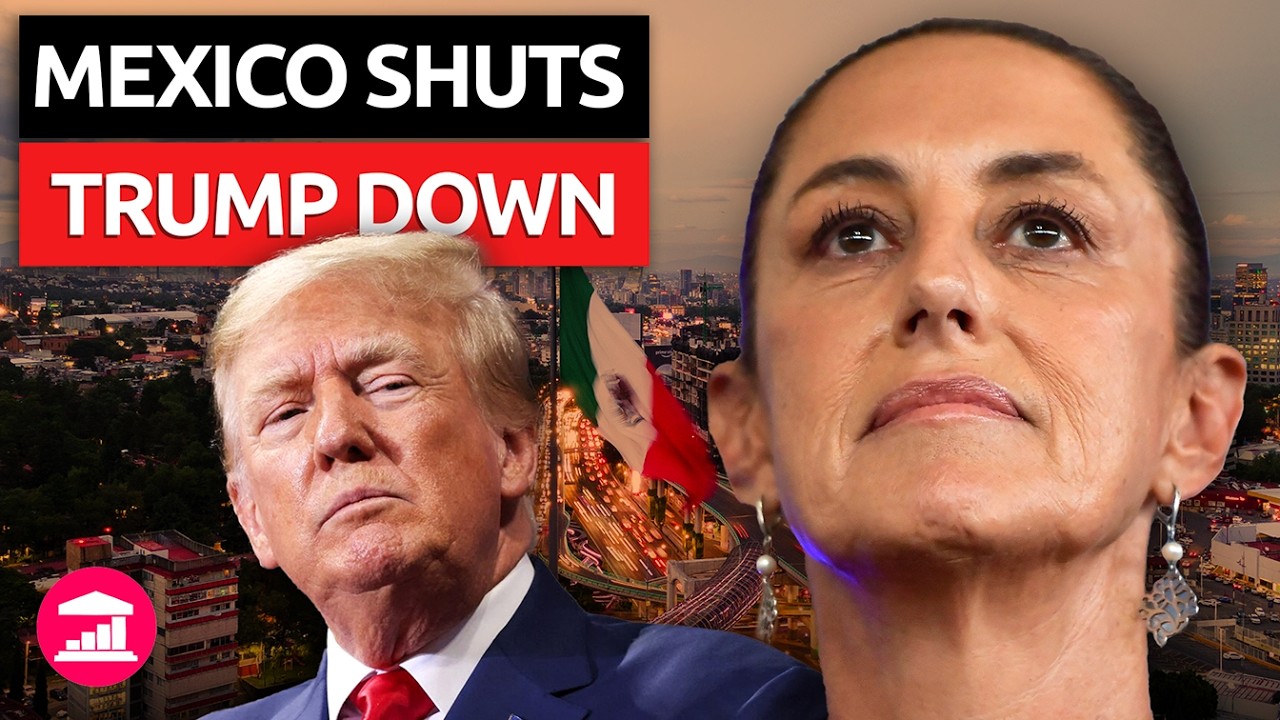
Since Donald Trump took office as US president once again, relations between the US and Mexico have returned to the spotlight. Trade, migration and security are at the heart of bilateral discussions. Mexican President Claudia Sheinbaum has positioned herself as a staunch opponent of Trump, responding to his demands and threats with diplomatic skill and national sovereignty.A key point of contention is migration. Trump has announced plans to drastically reduce irregular immigration at the southern border of the United States and to rely on Mexico's support in doing so. He threatened to impose punitive tariffs if Mexico did not take sufficient action against the influx of migrants. Sheinbaum, however, has made it clear that Mexico will not compromise its sovereignty. She emphasised that the migration issue must be resolved through bilateral cooperation and respect for migrants' rights, rather than through unilateral measures. She also rejected Trump's proposal to send US troops to Mexico to combat drug trafficking. “Our sovereignty is not for sale,” she said in a public statement.Mexico is also standing firm on trade. Trump has threatened to impose tariffs of up to 25 per cent on Mexican imports if the country does not change its policy on migration and drug trafficking. This threat is aimed in particular at the highly interconnected automotive sector, which is of great economic importance to both countries. Mexico is the United States' most important trading partner, and more than 75 percent of Mexican exports go to the United States. Nevertheless, Sheinbaum has emphasised that Mexico is not prepared to sacrifice its economic interests. Instead, she is focusing on negotiations and expanding economic relations in order to reduce dependence on the United States and open up new markets.Another point of conflict is security policy. Trump has classified Mexican drug cartels as terrorist organisations and hinted that the US could intervene militarily if Mexico fails to bring the situation under control. Sheinbaum has firmly rejected these threats and pointed out that combating drug trafficking is a shared responsibility of both countries. She called on the US to stop the illegal trade in weapons across the border, which she said was fuelling violence in Mexico. ‘The solution does not lie in military intervention, but in controlling the border and reducing demand for drugs in the US,’ Sheinbaum said.Despite the tensions, there are also areas where Mexico and the US are cooperating. For example, both countries have agreed to tighten controls on Mexico's southern border to stem the flow of migrants from Central America. Mexico is also seeking to use its role as a transit country for Chinese products to gain a strategic position in the trade war between the US and China. This could give Mexico additional room for negotiation.Overall, it is clear that Mexico under Claudia Sheinbaum's leadership is pursuing a clear line towards the US. Instead of confrontation, she is focusing on diplomatic negotiations and strengthening national sovereignty. Whether this will be enough to curb Trump's demands remains to be seen. What is certain, however, is that Mexico is not prepared to bow to the unilateral measures of the US and is instead pushing for a partnership-based solution to the challenges they face together.
India-Pakistan War Fears Grow
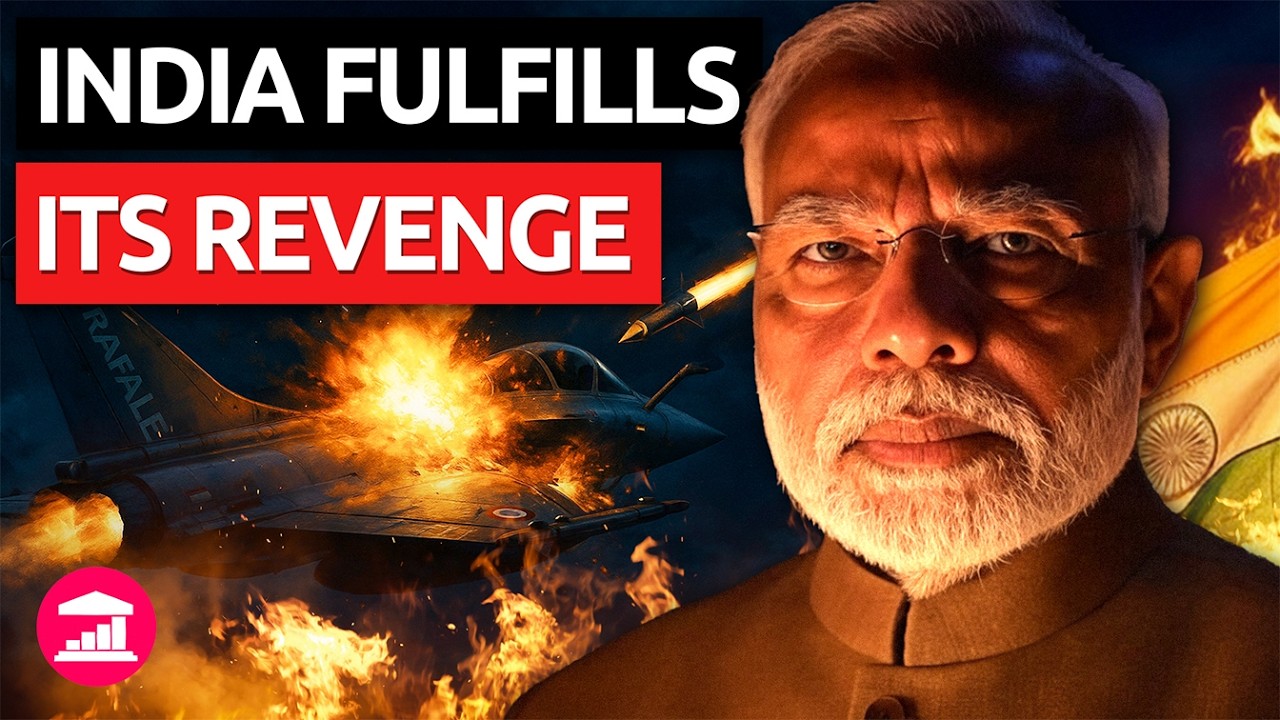
Tensions between India and Pakistan have escalated dramatically following a series of military exchanges, raising global concerns about the potential for a full-scale war between the two nuclear-armed neighbors. The latest conflict was triggered by a deadly militant attack in Pahalgam, located in Indian-administered Kashmir, which claimed the lives of 26 people, including civilians and tourists. India has accused Pakistan of involvement in the attack, a claim Islamabad has vehemently denied. In response, India launched a series of strikes on what it described as "terrorist infrastructure" in Pakistan and Pakistan-administered Kashmir, marking one of the most significant military actions between the two countries in decades. Pakistan, in turn, has condemned the strikes as an "act of war" and vowed to retaliate, further intensifying the crisis.The situation has rapidly deteriorated, with both sides engaging in cross-border drone and missile attacks. India has reportedly targeted multiple sites in Pakistan, including locations in Punjab, a province that had not been directly involved in military confrontations since the 1971 Indo-Pakistan war. Pakistan's military claims to have intercepted several Indian drones and missiles, while also launching its own retaliatory strikes. Casualties have been reported on both sides, with Pakistan stating that at least 31 people, including civilians, were killed in the Indian attacks, and India reporting civilian deaths due to Pakistani shelling. The conflict has also seen the use of advanced military technology, including drones and air defense systems, reflecting the modernization of both countries' armed forces in recent years.The international community has expressed deep concern over the escalating violence. The United Nations has called for "maximum military restraint," warning that the world cannot afford a war between two nuclear powers. The United States has urged both nations to de-escalate, emphasizing the need for dialogue to prevent further violence. Turkey has also weighed in, condemning India's actions and calling for an investigation into the initial militant attack in Kashmir. Despite these diplomatic efforts, the risk of miscalculation remains high, with both India and Pakistan showing little sign of backing down.Historically, Kashmir has been a flashpoint for conflict between India and Pakistan, with the two countries fighting three wars over the disputed territory since their independence in 1947. The current crisis echoes previous escalations, such as the 2019 Pulwama attack, which led to Indian airstrikes on Pakistani soil and a subsequent aerial dogfight. However, the scale and depth of the recent strikes, particularly into mainland Pakistan, represent a significant escalation. Analysts warn that the lack of crisis management mechanisms and the heated nationalist rhetoric on both sides could push the situation toward a broader conflict, potentially involving nuclear weapons.As the world watches with growing alarm, the path to de-escalation remains uncertain. Both nations have upgraded their military capabilities in recent years, with India acquiring advanced jets and drones, and Pakistan bolstering its arsenal with modern fighters and drones. This arms race has raised the stakes, making any military engagement more dangerous than in previous confrontations. While neither side is likely to resort to nuclear weapons unless pushed to the brink, the risk of unintended escalation is ever-present. The coming days will be critical in determining whether diplomacy can prevail or if the region will slide into another devastating war.

Leo XIV and Trump: Allies?
Pope Leo XIV, born Robert Francis Prevost (69), has made history as the first American pope, a development that has drawn global attention, particularly from U.S. President Donald Trump (78). Trump, who has publicly expressed his excitement about having an American lead the Vatican, congratulated the new pope shortly after his election. In a statement, Trump declared, “It is such an honor to realize that he is the first American Pope. What excitement, and what a Great Honor for our Country. I look forward to meeting Pope Leo XIV. It will be a very meaningful moment!” This enthusiasm was mirrored by other American leaders, including former President Joe Biden and Vice President JD Vance, who also offered their congratulations. Yet, the relationship between Pope Leo XIV and Donald Trump is not as straightforward as it might appear. The pope has a history of voicing criticism toward Trump and his administration. In 2015, he shared an opinion piece that condemned Trump’s anti-immigrant rhetoric as problematic. More recently, he openly challenged Vice President JD Vance, asserting that Vance was “wrong” on certain issues. These statements hint at a divergence in views, particularly on topics like immigration and social justice, where the pope’s stance contrasts with policies championed by Trump. Despite these tensions, there remains room for cooperation. Both leaders have expressed interest in tackling global challenges, and Pope Leo XIV’s American roots could pave the way for improved dialogue between the Vatican and the U.S. government. Upon his election, the pope delivered a message of peace and justice from the Vatican balcony, a call that resonates amid ongoing international conflicts and humanitarian crises. Trump, meanwhile, has signaled a willingness to engage with the Vatican, potentially leveraging this unique connection. The dynamic between Pope Leo XIV and Donald Trump is layered and evolving. While their differences on key issues like immigration are evident, their shared goal of addressing global concerns could foster collaboration. As the first American pope, Leo XIV’s tenure will be closely observed, not only by the Catholic community but also by political figures like Trump, who may see this as an opportunity for a distinctive partnership. How this relationship unfolds will shape its influence on the Catholic Church and the broader world stage.

Euro Challenges Dollar's Reign
In recent years, the US Dollar's position as the world's primary reserve currency has been unchallenged. However, a growing narrative from European leaders suggests that the Euro could potentially dethrone the Dollar. French President Emmanuel Macron has been vocal about his belief that the Euro can replace the Dollar as the global currency, a sentiment echoed by other European officials.The Eurozone, as the world's second-largest economy, provides a substantial economic foundation for the Euro. The currency is already the second most used in international trade and finance, and in some contexts, such as global goods trade excluding the EU, it has even surpassed the Dollar. Furthermore, plans for a Digital Euro, as discussed by Christine Lagarde, aim to enhance the currency's global role and reduce dependence on Dollar-centric systems like SWIFT, Visa, and Mastercard.Despite these ambitions, the Euro faces significant obstacles. The Eurozone's lack of fiscal unity and fragmented banking system undermine its stability, making it vulnerable to crises. In contrast, the US-Dollar benefits from the United States' unmatched military power, deep and liquid capital markets, and its central role in global trade networks. Historical attempts to challenge the Dollar's dominance have failed, and the Euro's structural weaknesses suggest it may not be a viable successor.While the Euro has made notable progress in becoming a more prominent global currency, its path to replacing the Dollar is fraught with challenges. The Dollar's entrenched position and the Eurozone's internal issues present significant barriers. Nonetheless, ongoing geopolitical and economic shifts could create opportunities for the Euro to gain further ground in the future.
US tariff dispute: No winner
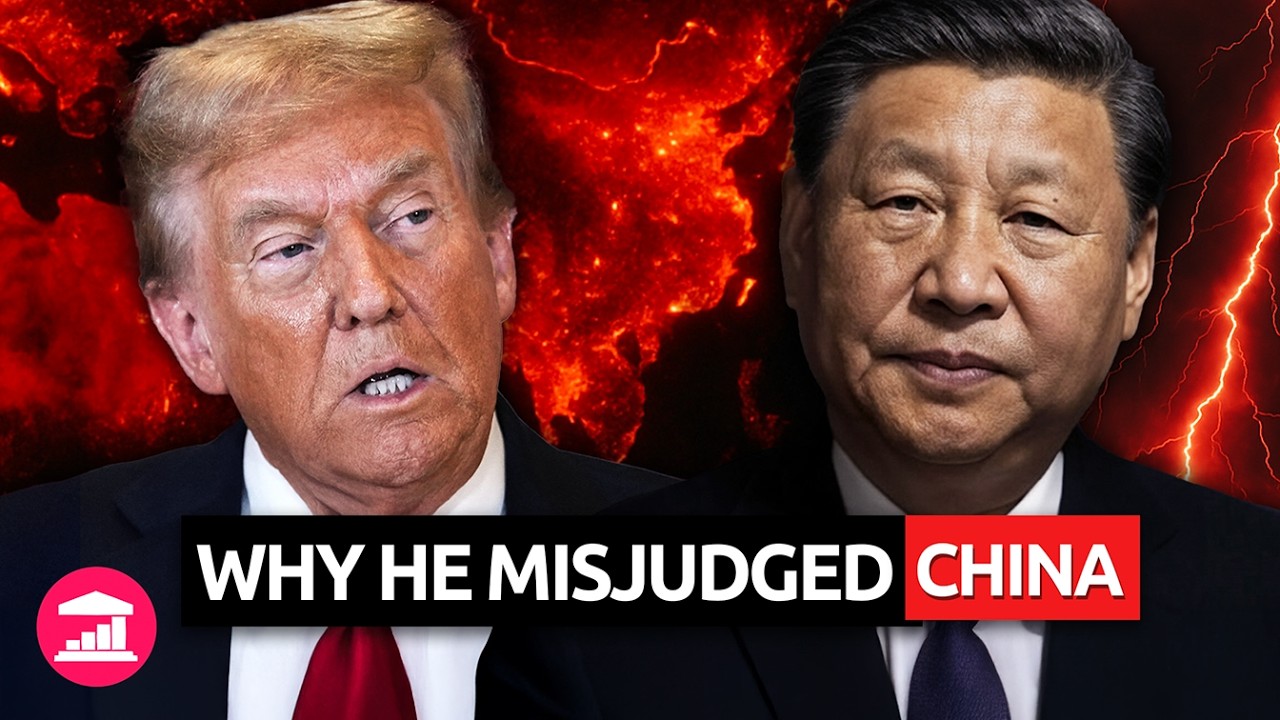
The trade conflict between the US and China, which began in 2018, has had a lasting impact on the global economy. Under the leadership of President Donald Trump and President Xi Jinping, a bitter tariff dispute developed, characterised by reciprocal punitive tariffs and countermeasures. In April 2025, both countries agreed to a temporary reduction in tariffs: the US reduced its tariffs on Chinese goods from 145% to 30%, while China reduced tariffs on US products from 125% to 10%. This 90-day agreement is seen as a step towards de-escalation, but a final resolution of the conflict remains elusive.Origin and developmentIt all began in March 2018, when the US imposed tariffs on Chinese imports worth 50 billion dollars in order to reduce the trade deficit and protect domestic industries. China responded promptly with its own tariffs on US goods, triggering a spiral of escalation. Over the years, tariffs were imposed on goods worth hundreds of billions of dollars, ranging from technology products to agricultural goods and consumer goods. This conflict quickly became a central element of the geopolitical rivalry between the two superpowers.The Phase One AgreementA milestone was the ‘Phase One’ agreement in January 2020. China committed to purchasing an additional $200 billion worth of US goods over two years, including agricultural products and industrial goods. Improvements in intellectual property protection and a waiver of forced technology transfers were also agreed. However, implementation lagged behind: China did not fully meet its purchase commitments, which kept tensions high and prompted the US to consider new measures.Current situationThe April 2025 agreement marks another attempt to defuse the conflict. Nevertheless, the situation remains fragile. China has intensified its trade relations with countries in Southeast Asia in order to reduce its dependence on the US market. At the same time, the US is threatening new tariffs on Chinese electric vehicles, which could reignite the dispute. These developments make it clear that the tariff dispute goes far beyond pure trade policy and is deeply embedded in strategic considerations.Economic impactThe economic consequences are being felt by both sides. In the US, higher import prices have weighed on consumers, while companies are struggling with higher costs and disrupted supply chains. China has seen its economic growth slow, but has shown resilience thanks to diversified trading partnerships. The conflict has not only damaged bilateral relations, but also reshaped the global economy as both countries seek to minimise their mutual dependence.Conclusion: A stalemate with no winnersThe tariff dispute between Trump and Xi Jinping has not produced a clear winner. Although the US was able to force some concessions, China has strengthened its strategic position through diversification and technological independence. Both countries are paying a high economic price, and the latest tariff reduction is merely a temporary truce. The conflict remains an open chapter in the rivalry between the US and China, with neither side gaining the upper hand.

Zelensky's trap for Putin
Ukrainian President Volodymyr Zelensky (47) has launched a diplomatic offensive that can be seen as a clever trap for Russia's dictator, mass murderer and war criminal Vladimir Putin (72). Amid the ongoing war in Ukraine, Zelensky has made a public offer: a direct meeting with Putin in Turkey to negotiate a ceasefire. However, this meeting, which was scheduled for 15 May 2025 in Istanbul, was not taken seriously by Russia – instead of Putin, only a delegation of low-ranking officials appeared. Zelensky used this rejection to portray Russia as uncooperative on the international stage and to increase pressure on Putin.Europe's decisive roleEurope strongly supports Zelensky's strategy. European leaders have welcomed his willingness to negotiate and called on Russia to agree to a 30-day ceasefire. If Russia does not comply with this call, additional sanctions are likely, particularly in the energy and financial sectors. These measures demonstrate Europe's determination to further isolate Russia economically and strengthen Zelensky's diplomatic manoeuvre. The unity of European countries sends a clear signal to the Kremlin: Putin is under growing international pressure.Trump's plan to contain RussiaUS President Donald Trump (78), who is increasingly turning into an autocrat, is also actively involved. After a meeting with Zelensky in the Vatican, Trump expressed doubts about Putin's willingness to end the war. He threatened tougher sanctions and emphasised that the latest Russian attacks on civilian targets in Ukraine reinforce his scepticism. Trump's rhetoric marks a tougher line towards Russia and points to increased cooperation with Europe to encircle Russia both diplomatically and economically. This strategy also includes plans to increase military presence in Eastern Europe and additional support for Ukraine.A diplomatic dilemma for Russian mass murderer and war criminal PutinSelenskyj's offer, combined with the threat of European and American sanctions, presents Putin with a difficult choice. If he does not accept the offer to negotiate, he risks further weakening his position on the world stage and strengthening international support for Ukraine. If, on the other hand, he appears in person, this could be interpreted as a sign of weakness. Developments in Istanbul are therefore considered crucial for the future of the conflict.Future?The coming weeks will show whether Zelensky's strategy bears fruit or whether the war continues to escalate. Cooperation between Ukraine, Europe and the US could push Russia into a corner – but Putin's response remains uncertain. One thing is certain: Zelensky's bold move has permanently changed the geopolitical dynamics in Eastern Europe.